From Kiplinger · · 3m
Don't let inheritance tear your family apart
Trillions are shifting between generations, but silence about money is fracturing sibling relationships. Here's how to keep your family together.
In brief
Trillions are shifting between generations, but silence about money is fracturing sibling relationships. Here's how to keep your family together. Start talking about inheritance now, before grief clouds judgment. Creative conversations, concrete planning, and direct acknowledgment of unequal work prevent conflict…
Trillions shifting, families fracturing
The Great Wealth Transfer is moving enormous sums between generations, but inheritance remains taboo. Silence opens the door to misunderstandings that damage sibling relationships during grief.
Start with a friend's story
Break the ice by mentioning a friend dealing with a parent's death and estate settlement. This creative opener makes it easier to ask if your own family has everything in place.
“Be creative when opening the door to that kind of conversation.”
Schedule distraction-free family talks

Set up dedicated time with all siblings and parents to discuss legacy vision, payable-on-death beneficiaries, funeral arrangements, and estate plans. Have these conversations multiple times so everyone remembers the same details.
Older generations see it as taboo
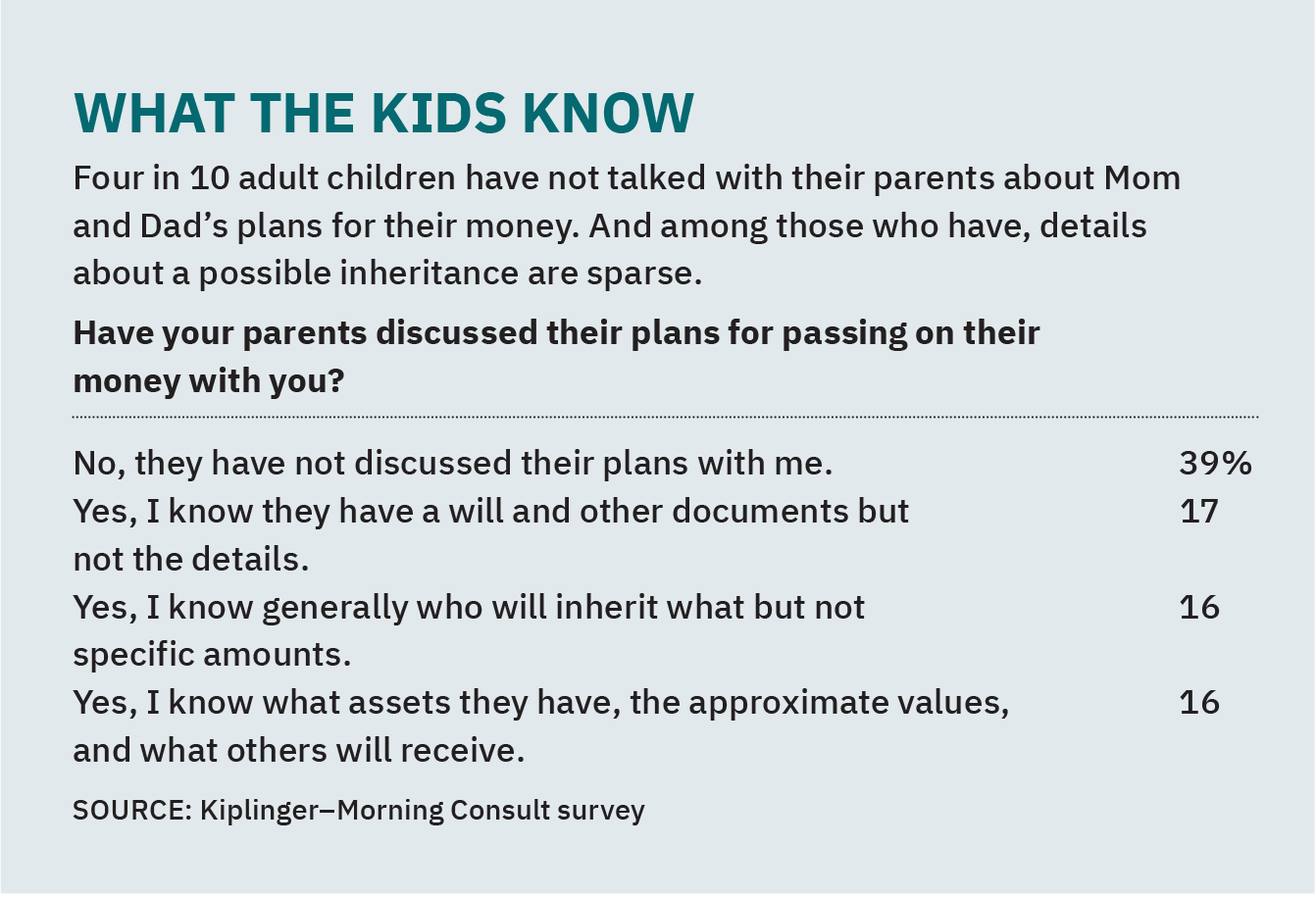
A Kiplinger-Morning Consult survey found adult children would rather discuss politics or marriage than inheritance. Parents plan to split assets evenly, but kids prefer different arrangements.
What parents intend gets lost

When estate plans aren't discussed in concrete terms, children struggle to piece together their parents' wishes from documents. Small omissions become focal points that drive division between siblings.
Create an ethical will
Shift focus from dollars and property to living legacy. An ethical will lets parents share their values about money with children, building trust and ensuring the inheritance reflects what they actually care about.
Grief clouds clarity and judgment
Losing a loved one impacts your physical, emotional, and cognitive life. Even simple tasks become overwhelming, making it hard to make sound decisions about inheritance and finances.
Set aside funeral expense funds

Open a high-yield savings account earmarked for end-of-life costs. Since estates take 12 to 18 months to settle, this prevents siblings from going into debt. Designate one sibling as payable-on-death beneficiary.
Use body doubling to manage stress
Ask a friend to accompany you on a walk or lunch during grief. This simple presence helps absorb their energy and reduces stress and pain when you're making difficult decisions with siblings.
One sibling often does more work
When a parent falls ill, one sibling typically becomes the caregiver. Acknowledge this work and offer support, like paying for a trip or providing money to offset lost income during caregiving.
Unequal inheritance breeds resentment
When siblings discover how assets were divided, some may feel overlooked. Share your feelings without attacking others. If you can't resolve anger about past decisions, a financial therapist can help stop the rumination.
“You should call on a financial therapist. Especially if you're hearing echoes from the grave.”
Direct talk prevents most conflicts
Open communication between siblings and parents eliminates many inheritance disputes. By finding creative conversation starters, ironing out concrete details, and acknowledging unequal work, you reduce tension when you should be coming together.
Get a financial adviser now
If you expect to inherit, speak with a financial professional to plan how to maximize wealth and achieve goals while honoring your relative's values. This prevents feeling overwhelmed when the inheritance arrives.
What to remember
Start talking about inheritance now, before grief clouds judgment. Creative conversations, concrete planning, and direct acknowledgment of unequal work prevent conflict later.