From Kiplinger · · 3m
Equal inheritance isn't always fair
Splitting your estate equally among children can backfire. Here's how to plan an inheritance that actually works.
In brief
Splitting your estate equally among children can backfire. Here's how to plan an inheritance that actually works. Equal doesn't mean fair. Tailor your inheritance plan to each child's needs, circumstances, and past support rather than defaulting to a simple split. Originally reported by Kiplinger.
Equal sounds fair but isn't
Splitting everything equally can create resentment, tax surprises, and damaged relationships. Fairness and equality are two different things.
“Fairness and equality are not the same thing.”
100 trillion dollars changing hands
Over the next 20 years, Americans will pass down over 100 trillion dollars in what's called the Great Wealth Transfer. How you plan matters.
Families aren't talking about it
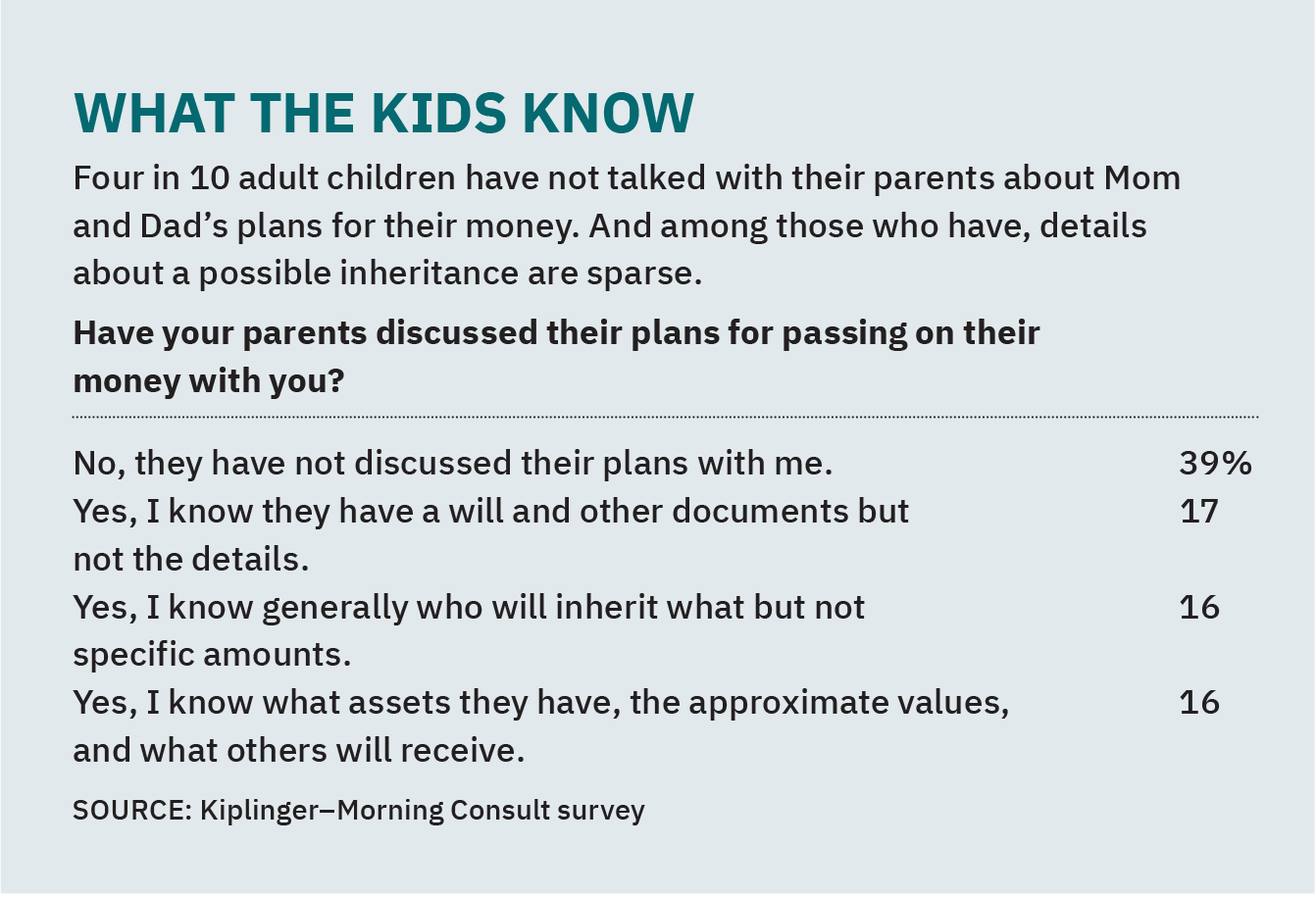
Two in five families have never discussed inheritance plans, and three in ten parents have no formal plan at all. This gap creates confusion and conflict.
Start equal, stay flexible
Plan to divide equally while keeping your options open. Successful children shouldn't be punished for succeeding, and struggling children shouldn't be rewarded for failing.
“Successful children should not be punished for succeeding.”
Different needs require different splits

A child who served as caregiver or worked in the family business may deserve more. Equal distribution often feels inequitable to heirs with different circumstances.
Communicate your reasoning
The single most effective safeguard is explaining your decisions while alive. A letter of intent can prevent the 'Mom loved you more' narrative.
“Explain your reasoning while you're still alive.”
Past gifts create hidden resentment
If you paid one child's college tuition or covered another's emergency, an equal split highlights those uneven gifts. A hotchpot clause can adjust for this.
The family home is a minefield
Leaving a house equally to multiple children often leads to years of disputes over selling, renting, or maintaining it. One sibling usually does all the work.
Business succession gets complicated
A family business split equally among siblings who never worked there can force a sale or paralyze decision-making, eliminating the livelihood of the child running it.
Caregivers deserve recognition

A child who spent years driving to appointments and managing medications while a sibling visited twice yearly often feels betrayed by an equal split.
Unequal can mean poison
Treating children unequally without explanation causes the same problems as equal splits: lawsuits, resentment, and siblings who never speak again.
“If you're going to treat them unequally, that is poison.”
Customize your approach instead
Use modern trust structures to give each child specific support they need. Protect less financially-inclined children while supporting public-service-minded ones.
Parents and kids disagree
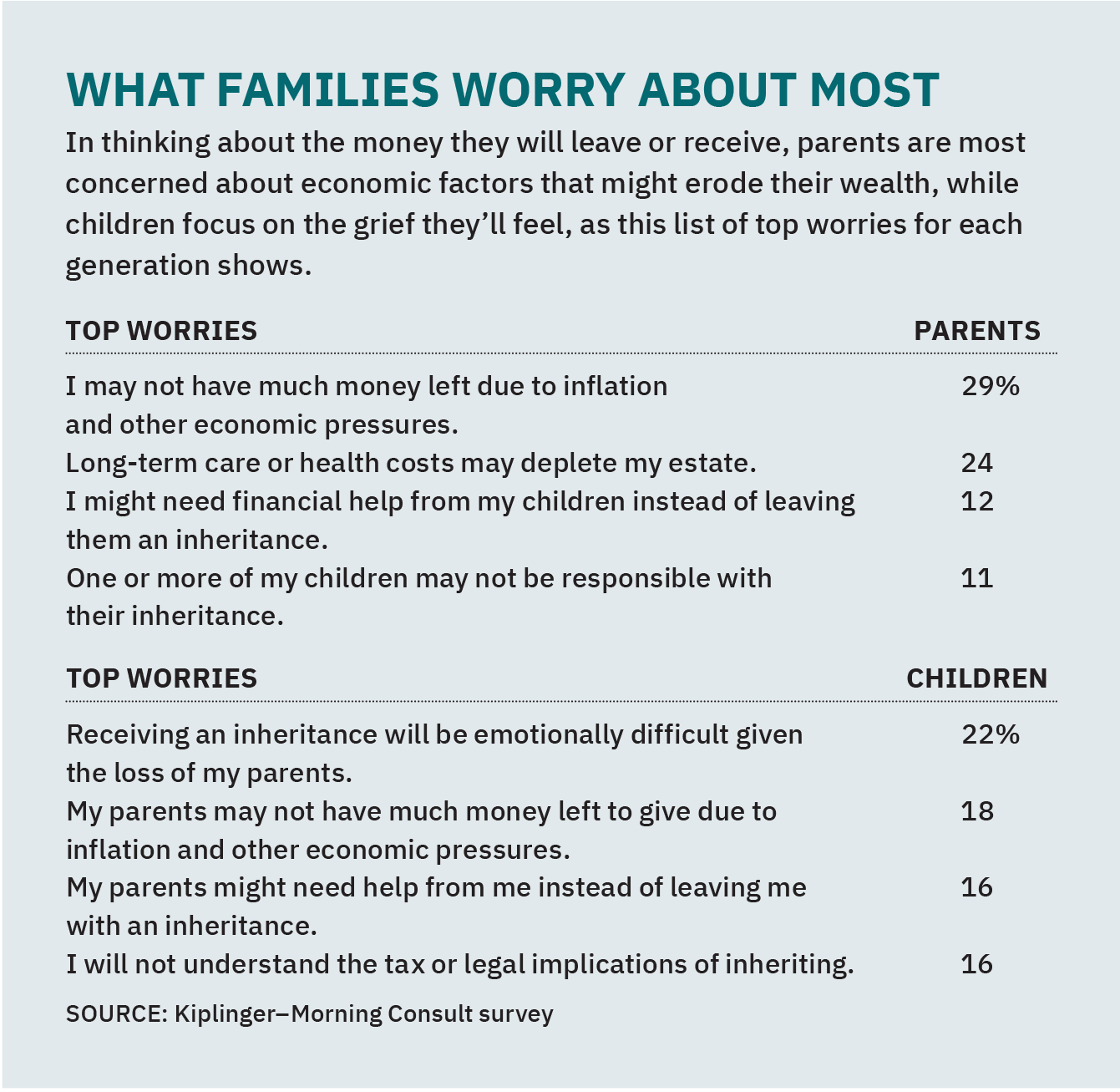
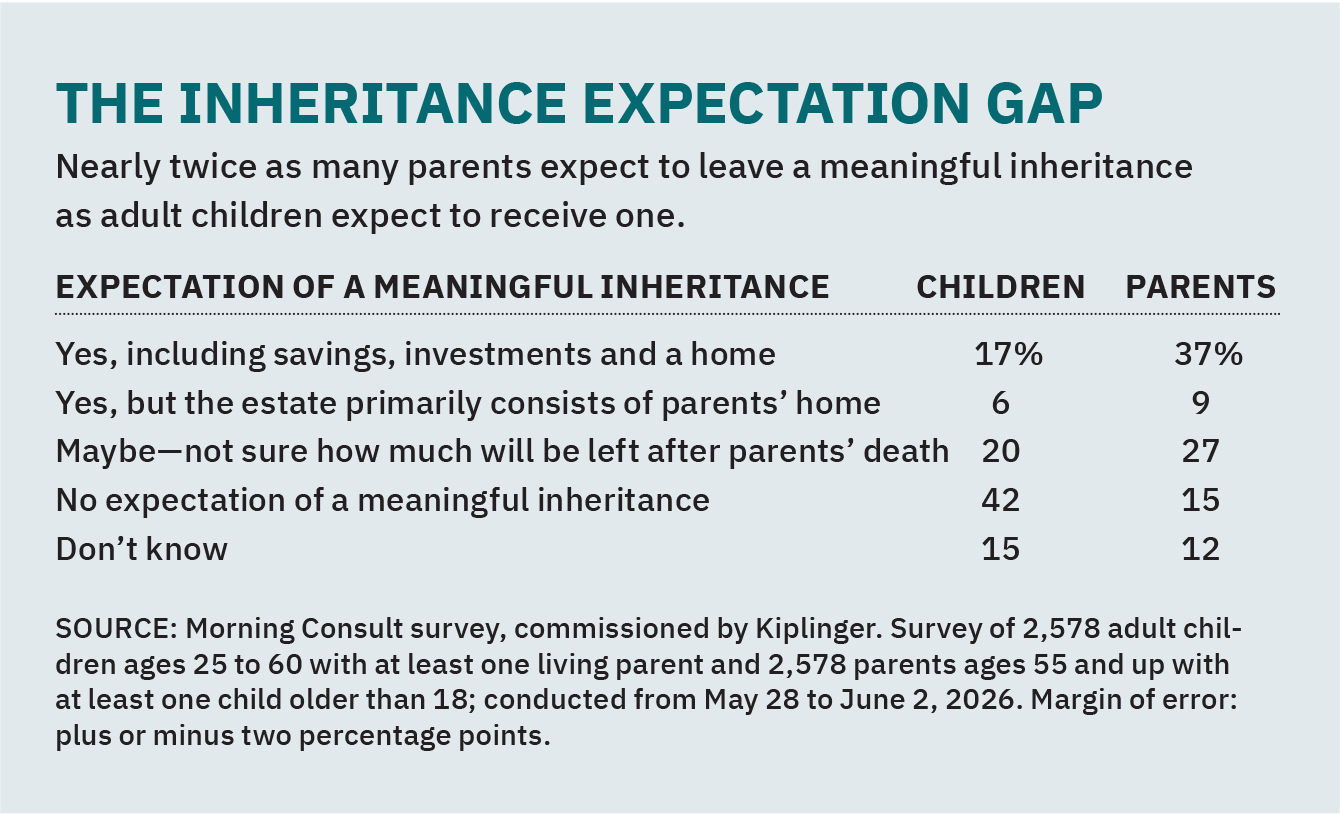
Parents are twice as likely to plan a meaningful inheritance as adult children expect one. Kids favor fairness over equality by a 21-point margin.
Legacy unites, not divides

Work with an estate attorney to tailor a strategy that makes practical sense. An inheritance is about leaving a legacy that unites your family.
The one thing
Equal doesn't mean fair. Tailor your inheritance plan to each child's needs, circumstances, and past support rather than defaulting to a simple split.