From Kiplinger · · 4m
He Ground Out His First Million in 25 Years
A retired Arkansas COO on the 25-year slog to $1 million, the promotion he turned down, and the emergency fund that saved him.
In brief
A retired Arkansas COO on the 25-year slog to $1 million, the promotion he turned down, and the emergency fund that saved him. Build the emergency fund first, live below your means, and make sure your goals actually match what you value, or the wins won't feel like wins. Originally reported by Kiplinger.
Twenty-five years, one million
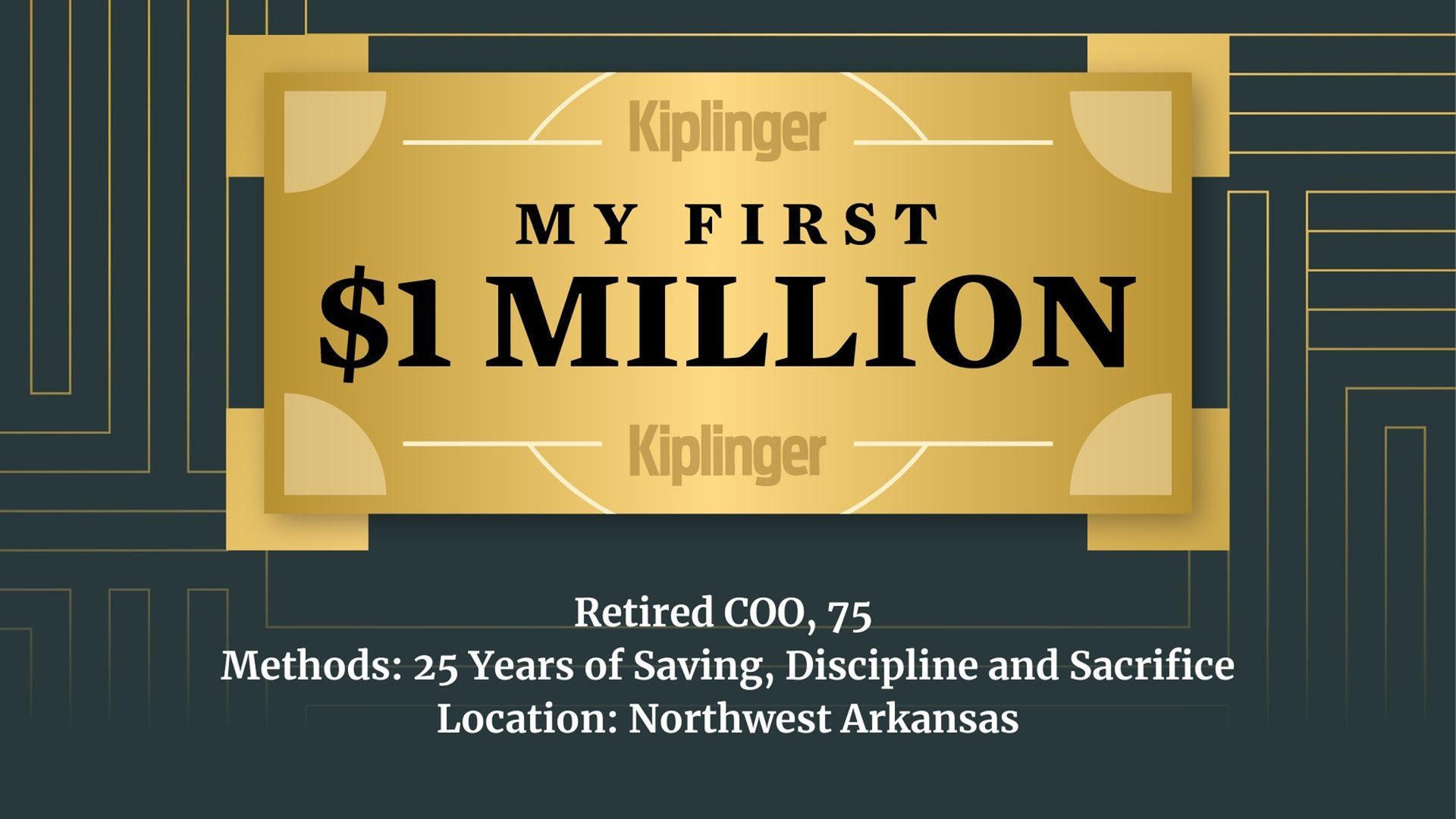
A 75-year-old retired COO of a Northwest Arkansas logistics company hit his first $1 million after 25 years of saving. His salary at retirement was $125,000.
“My first $1 million was a real slog.”
Investing was harder then

He started in the 1970s, when opening a brokerage account took $25,000 to $50,000 minimum. For years, investing meant shopping interest rates and hunting the best CD deals.
The family had to agree
The hardest part was getting his wife and kids to accept the sacrifice. Saying no when the money was sitting right there caused real friction at home.
“They could have anything they want, just not now or all at once.”
Three engines, not one
The money came from real estate, the stock market, and businesses he held an equity stake in. No single lucky bet did it.
Then it compounded
In the 25 years after the first million, they added many more millions. He says there is nothing they denied themselves early that they did not eventually get.
No party at the finish line

They did not celebrate. The reward was a quiet feeling of freedom: when a hard choice came, they could make it and absorb whatever followed.
Rich and invisible

Nobody knows. Their children assume they are well-off but not the amounts. Normal middle-class house, modest cars, clothes off the rack.
“We are private people and see no need to advertise our success.”
Why he broke the silence
Writing this felt like an invasion of privacy. He did it anyway, because he wants people to see this is reachable from wherever they are standing now.
“This level of financial success can be achieved by anyone, regardless of present circumstances.”
He quit at 52

Retirement was the end of his last job, not the end of the work. He and his wife put the time into travel and into building their own net worth instead.
His employer couldn't match it
No paycheck would have built what they built on their own. Staying employed would have cost them the time and attention that wealth building actually needs.
“Our employer could not have compensated us enough.”
Goals versus values
His one regret: he chased career milestones and let personal objectives slide. The things he valued most, family, friends, travel, paid for those wins.
The book that reframed it

Charles Givens' Super Self has a chapter on aligning goals with values. Misalign them and you get frustration, conflict, and accomplishments that never satisfy.
Offered the presidency, retired instead
The top job meant more time away from home. It did not match what he valued, so he turned it down and retired the next day. Having the million already made it easy.
“Not only did I not take the position, but I retired the next day.”
He fired the adviser
A committed DIY investor, he tried an investment adviser and asset manager briefly. Their own strategies outperformed, so that was that.
Learning from other people's crises
Friends and colleagues taught him by counterexample. Raises, bonuses, windfalls, all spent immediately, no reserves, every setback turning into a crisis.
“Seeing others experience the agony of financial crisis solidified our belief that we were on the right path.”
Half a million for the grandkids

Irrevocable trusts give each grandchild start-up capital roughly equal to a house down payment, plus a fund for college or skills training. About $500,000, already given away.
The worry that comes with it
They are aware of the legacy they are leaving, and nervous about it. Their fear is that the windfall talks their children and grandchildren out of doing anything.
“Our concern is that this windfall might encourage them to do nothing.”
Emergency fund comes first
Before anything else, build money you can reach fast without wrecking your plans. Life will punch you in the mouth, and this is what keeps you standing.
“Everyone has a plan until you get punched in the mouth.”
The lesson he paid for

Young and in debt for the nicest clothes, best car, best apartment, he lost his only income. Rent and car payments came due with no way to pay. He never repeated it.
Good debt, bad debt, and a plan

Debt is leverage only when the asset returns something. Credit cards, store credit, and car loans are not that. Then: live below your means, invest consistently, watch taxes, track progress.
The takeaway
Build the emergency fund first, live below your means, and make sure your goals actually match what you value, or the wins won't feel like wins.