From Kiplinger · · 4m
Silver's dip is the interesting part
A portfolio manager on why the metal gets boring right before it gets cheap, and where the real exposure hides.
In brief
A portfolio manager on why the metal gets boring right before it gets cheap, and where the real exposure hides. Silver has a tight supply setup and stubborn industrial demand, so the pullback is when a patient allocation starts to make sense, often through diversified miners and streamers rather than pure silver…
The questions arrive late
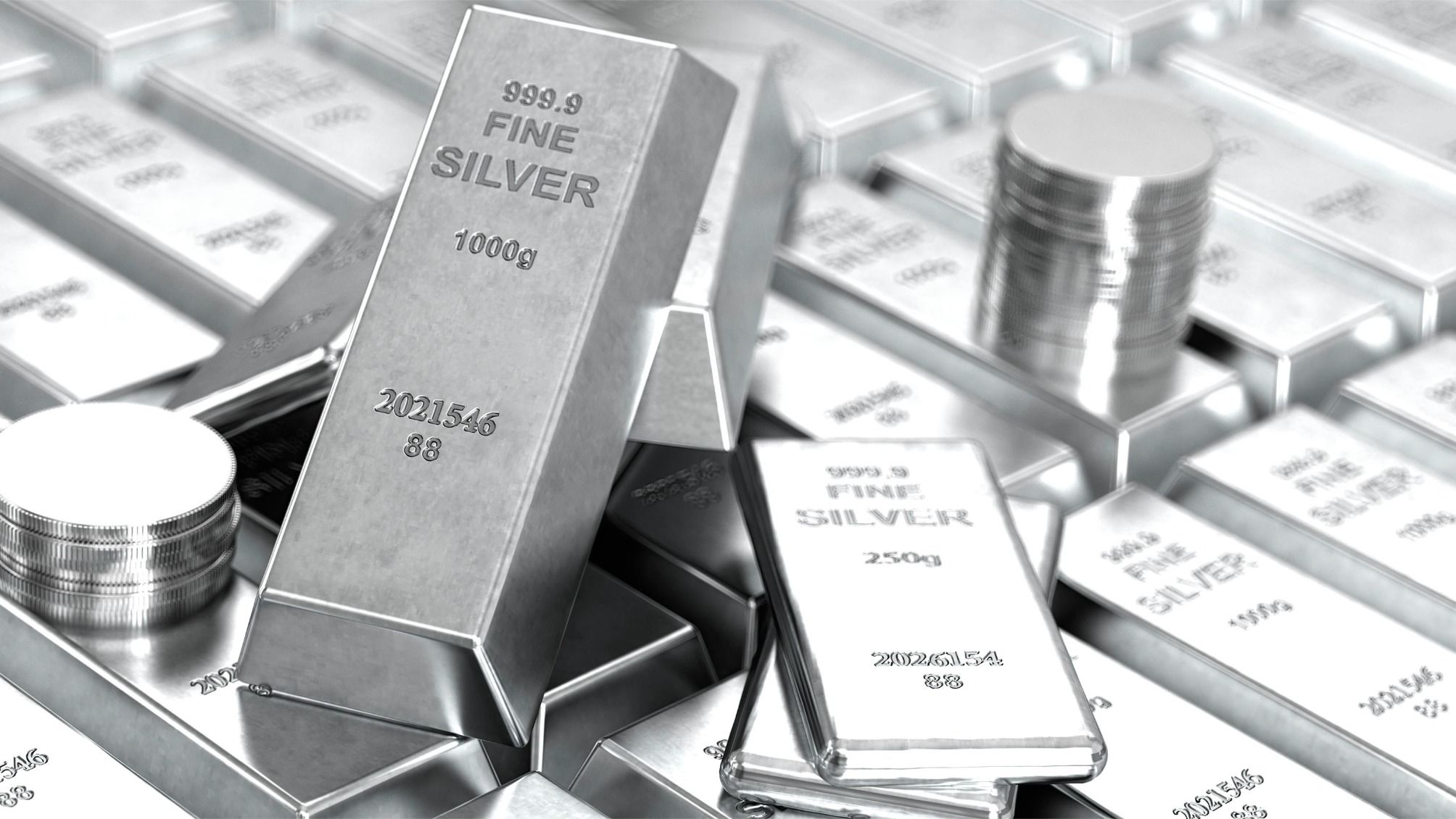
A portfolio manager can date the precious-metals cycle by his inbox. Silver questions only show up after gold has already run.
“I can usually tell where we are in the precious-metals cycle by the questions investors ask me.”
Interest dies with the price
When prices pull back, the enthusiasm vanishes as fast as it appeared. That is the core trap of commodity investing.
“Investors tend to become most enthusiastic when prices and expectations are already high.”
Better after the drop
The useful moment to start paying attention is usually after gold and silver have both come back down, not during the headlines.
“The better time to get interested is often after both have come back down.”
Not poor man's gold
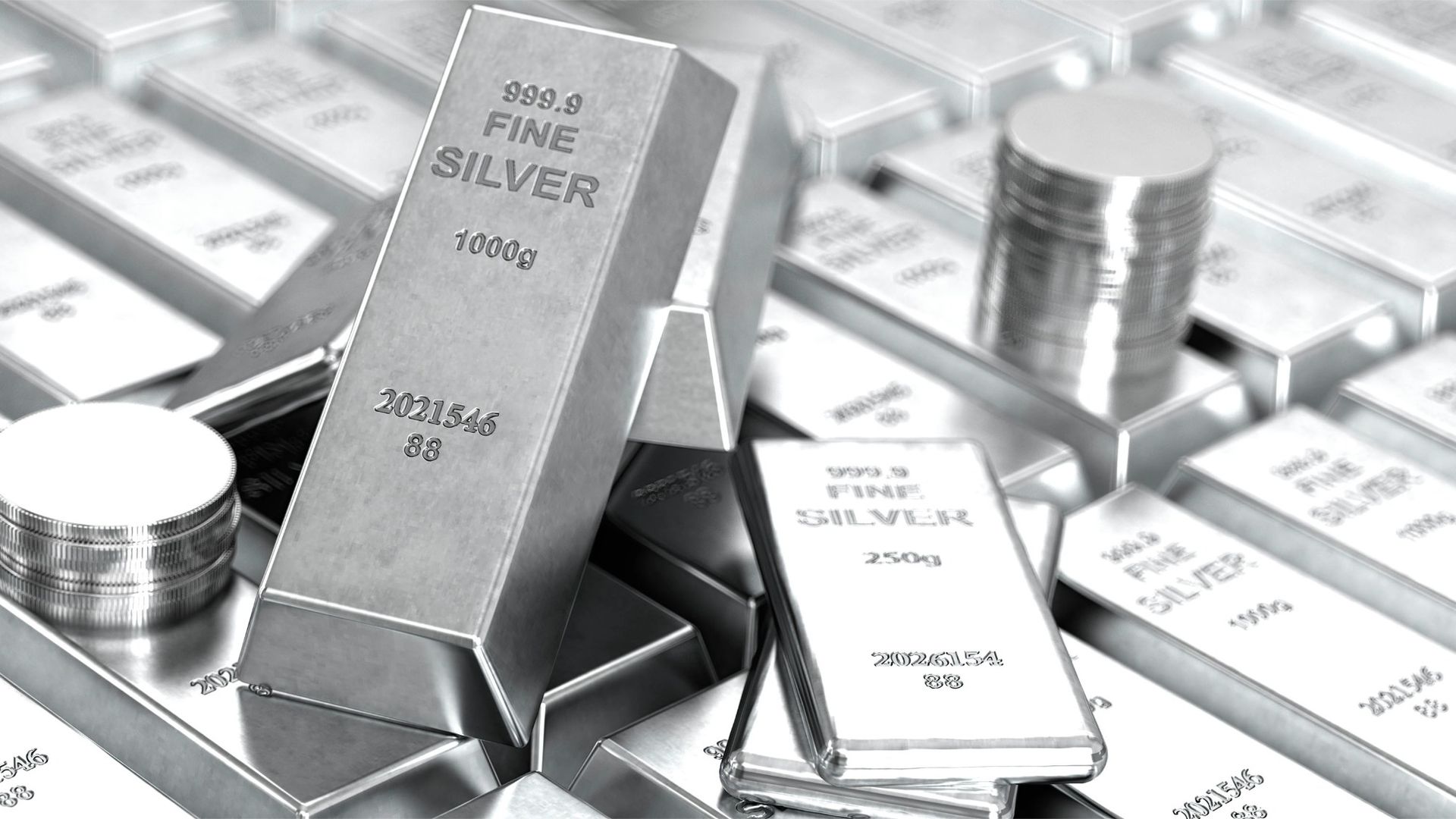
The nickname badly undersells it. Silver has worked as money and a store of value for thousands of years, same as gold.
“Silver is sometimes dismissed as "poor man's gold."”
It also does real work
Unlike gold, silver is an industrial input. It sits inside electronics, cars, medical equipment and electrical infrastructure.
Wired into the next decade
Solar panels, electric vehicles, semiconductors and AI data centers all need it. Silver is tied to the technologies the economy is betting on.
Best conductor on Earth
Electricity passes through silver with almost no resistance, and it pulls heat away from parts before they cook. That is why engineers keep choosing it.
“Silver is the most electrically conductive metal on Earth.”
657 million ounces

Industrial demand hit 657.4 million ounces in 2025, just off the prior year's record, propped up by AI infrastructure, autos and grid spending.
Supply keeps falling short
2026 is projected to be the sixth straight annual deficit, with demand beating supply by an estimated 46.3 million ounces.
762 million ounces drained
Since the deficits began in 2021, roughly 762 million ounces have come out of above-ground stockpiles to cover the gap. Not a shortage, a slow drawdown.
Mines are tired
Production has been flat for a decade. The great silver districts are mature and ore grades are slipping, so miners move more rock for the same metal.
Recycling hits a wall
Jewelry and big industrial parts are worth recovering. A sensor holding a speck of silver costs more to dismantle than the metal inside is worth.
Buyers barely flinch
When silver is a rounding error in a server or a car, a price spike will not stop the production line. Demand stays put.
Byproduct supply is stuck
Most silver comes out of mines built for lead, zinc, copper or gold. A higher silver price will not make a copper miner dig faster.
“Silver supply does not always respond directly to the silver price.”
Physical has friction
Coins and bars work as disaster insurance, but size brings storage, insurance and theft problems. ETFs are easier, with fees and custody terms to read.
Pure miners are scarce
Most silver-named companies are tiny and produce nothing. The few good ones trade at premium valuations, and their deposits carry gold, zinc and copper anyway.
Silver inside gold names
Newmont is filed under gold, yet its Penasquito mine in Mexico sold about 28 million ounces of silver in 2025. Real exposure, wrong label.
“That is meaningful silver exposure hiding inside a company most investors place firmly in the gold bucket.”
Streamers skip the shovels
Royalty and streaming firms fund miners for a cut of future output. Wheaton Precious Metals drew 36% of 2025 revenue from silver, 62% from gold.
Patience, not conviction
Silver stays volatile and equities add company risk, so nobody should go all in. But after the pullback, a measured allocation beats buying the hype.
“Some of the best opportunities emerge only after the shine has worn off.”
The takeaway
Silver has a tight supply setup and stubborn industrial demand, so the pullback is when a patient allocation starts to make sense, often through diversified miners and streamers rather than pure silver names.