From Kiplinger · · 3m
The tax trick most advisers won't mention
A charitable remainder trust lets you sell concentrated stock tax-free and diversify immediately.
In brief
A charitable remainder trust lets you sell concentrated stock tax-free and diversify immediately. If you're sitting on huge unrealized gains in a single stock, a charitable remainder trust can eliminate the capital gains tax on the sale while letting you diversify right away and live off the proceeds. Originally…
The concentrated stock problem
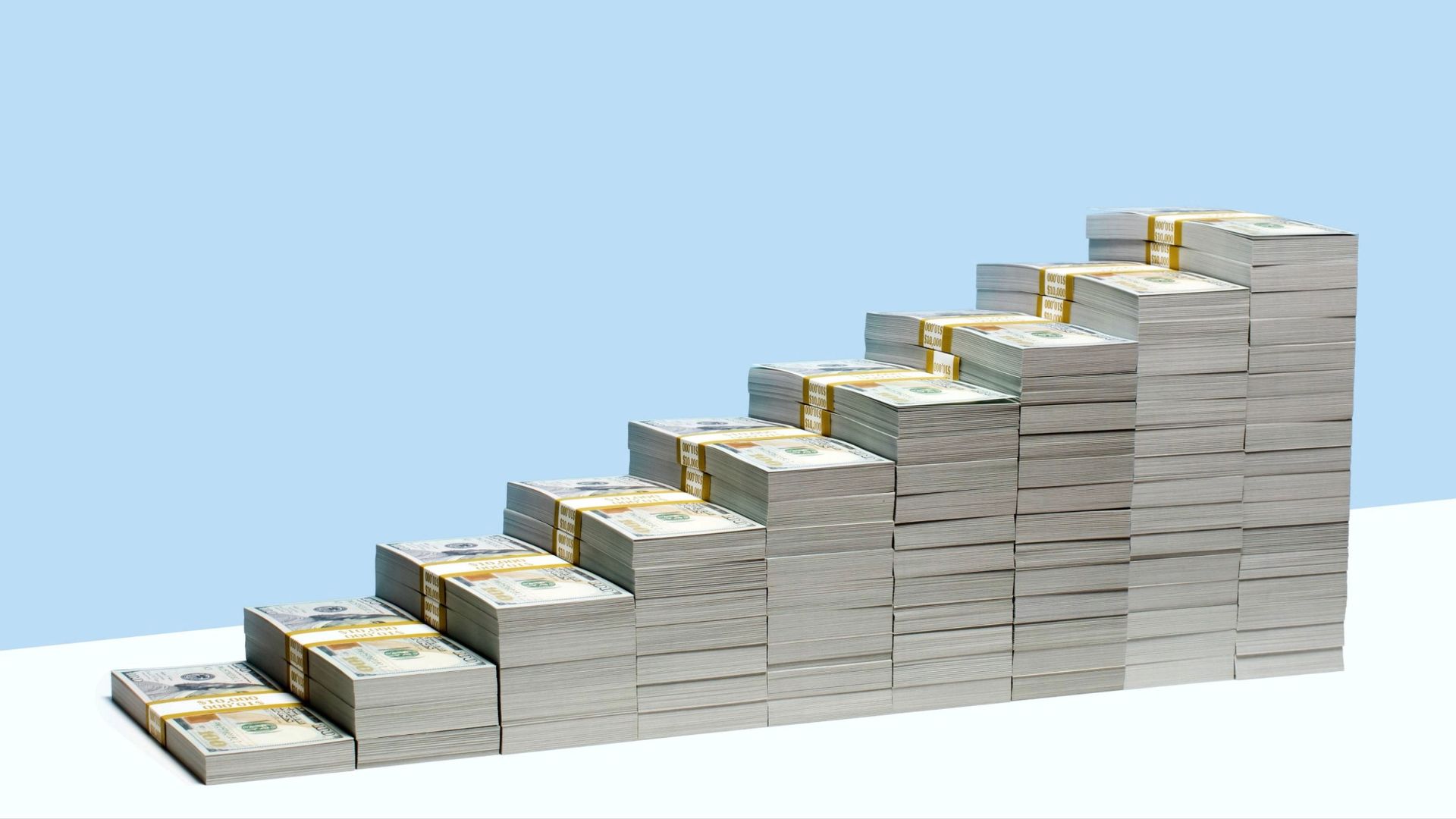
Ray and Diane Kessler bought 125 Nvidia shares for $1,500 fifteen years ago. Today those 5,000 shares are worth $1 million, but selling triggers a $998,500 capital gains tax bill.
The usual options don't work
Most advisers suggest trimming gains at the edges, harvesting losses, or spreading sales across years. But the Kesslers need to diversify now, not wait decades or give away a million dollars.
Enter the charitable remainder trust
A CRUT is an irrevocable trust that buys appreciated stock tax-free because trusts are tax-exempt. You get the full $1 million invested and diversified immediately instead of $669,000 after taxes.
How the trust pays you
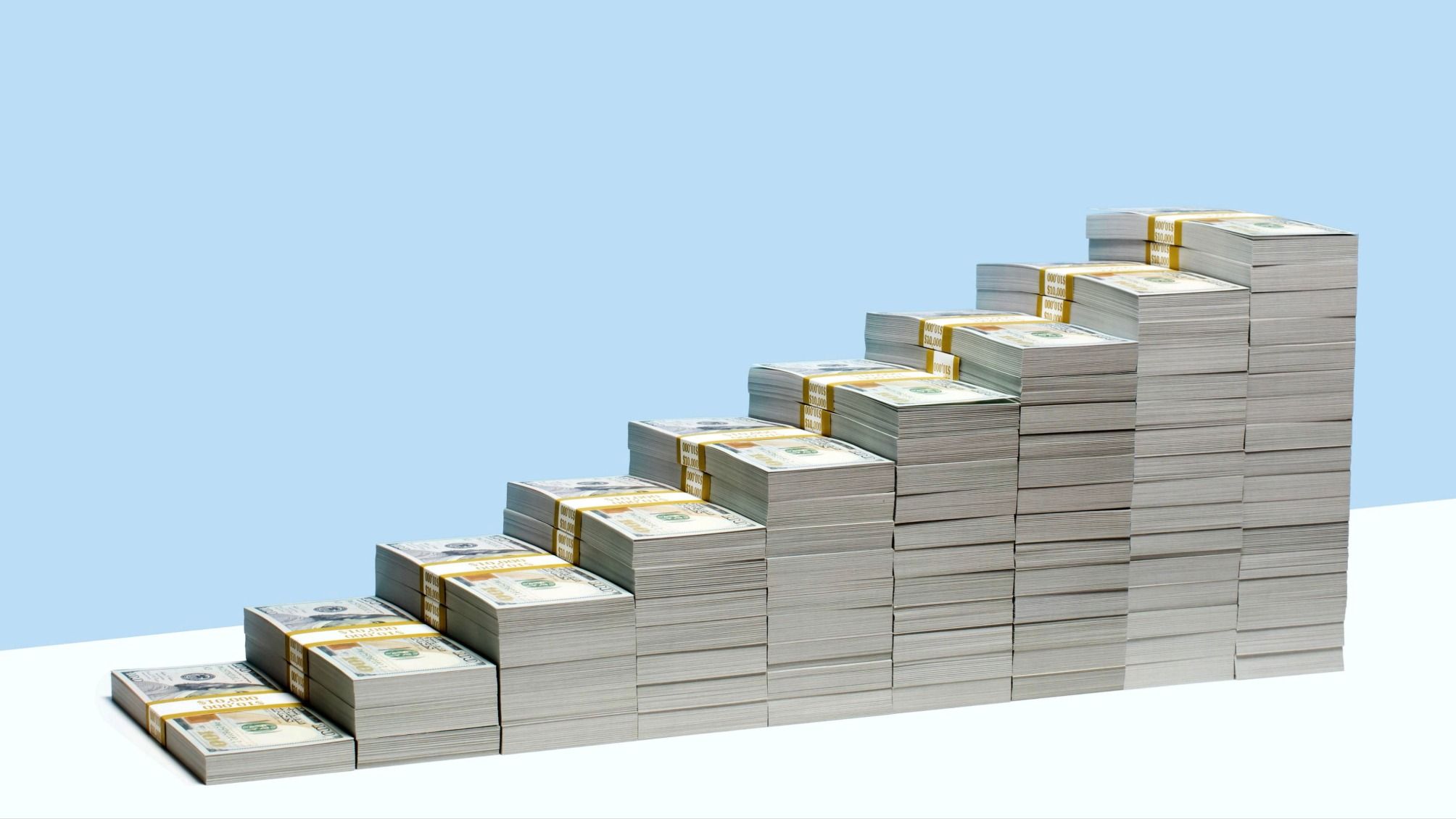
The trust pays you a set percentage of its value each year for life, both lives, or a term of years. Whatever remains goes to the charity you named, and you get an upfront income tax deduction.
The IRS uses average life tables
The IRS calculates your deduction using census data that assumes you live as long as the average American. But CRUT funders are typically affluent, insured, and longer-lived than average.
Why living longer helps
Both your deduction and payout are fixed at funding. If you live longer than the IRS expects, the trust runs longer than calculated, and every extra year compounds at a larger base.
Year one cash flow comparison
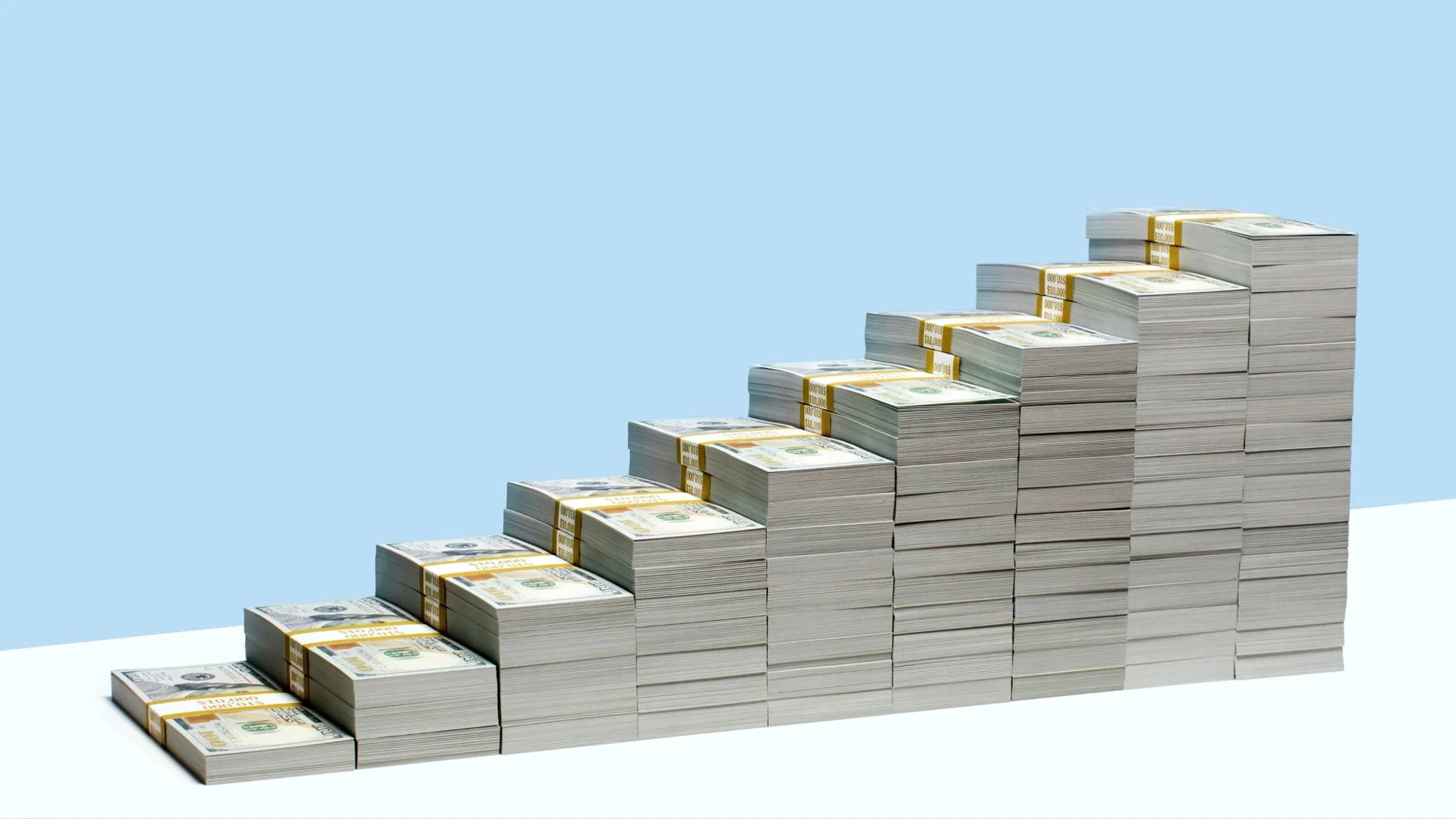
At a 6% payout, the CRUT generates $60,000 in year one versus $40,170 from the after-tax proceeds. The tax is spread across decades while a larger base compounds.
Three realistic alternatives
Sell and reinvest the after-tax proceeds. Hold and leave it to heirs with stepped-up basis. Or hold and draw 6% from the stock itself. A CRUT beats all three in certain situations.
Longevity is the biggest variable
A couple aged 63 and 65 beats the hold-and-draw option with a trust only 28% of the time under IRS life expectancy. Give them seven more years and the trust wins 96% of the time.
“No other variable came close.”
Cost basis determines suitability
The trust beats all alternatives when basis is under 11% of current value and loses above 25%. The Kesslers sit at 0.15%, making them ideal candidates.
The deduction matters least
Most people ask about the upfront deduction first, but it matters least. Tax on the payments takes back much of what the deduction gives over a long trust.
Why advisers rarely mention it
Few advisers raise CRUTs on their own because they are filed under charity, not investments. But every variable is knowable before funding. Ask your adviser directly.
“Few advisers will raise it on their own, because it is filed under charity. Ask.”
The Kesslers' outcome
They funded a two-life trust in November with the full million dollars invested and diversified. The government priced their deduction off average life tables, not their actual health.
The headline
If you're sitting on huge unrealized gains in a single stock, a charitable remainder trust can eliminate the capital gains tax on the sale while letting you diversify right away and live off the proceeds.