From LA NACION · Gabriela Vigo · · 3m
Why trout belongs on your table
Trout packs omega-3, quality protein and micronutrients that support heart health, muscle and brain function.
In brief
Trout packs omega-3, quality protein and micronutrients that support heart health, muscle and brain function. Trout is a nutrient-dense fish rich in omega-3 fatty acids and high-quality protein that supports cardiovascular, muscular and brain health as part of a balanced diet. Originally reported by LA NACION.
A fish worth eating
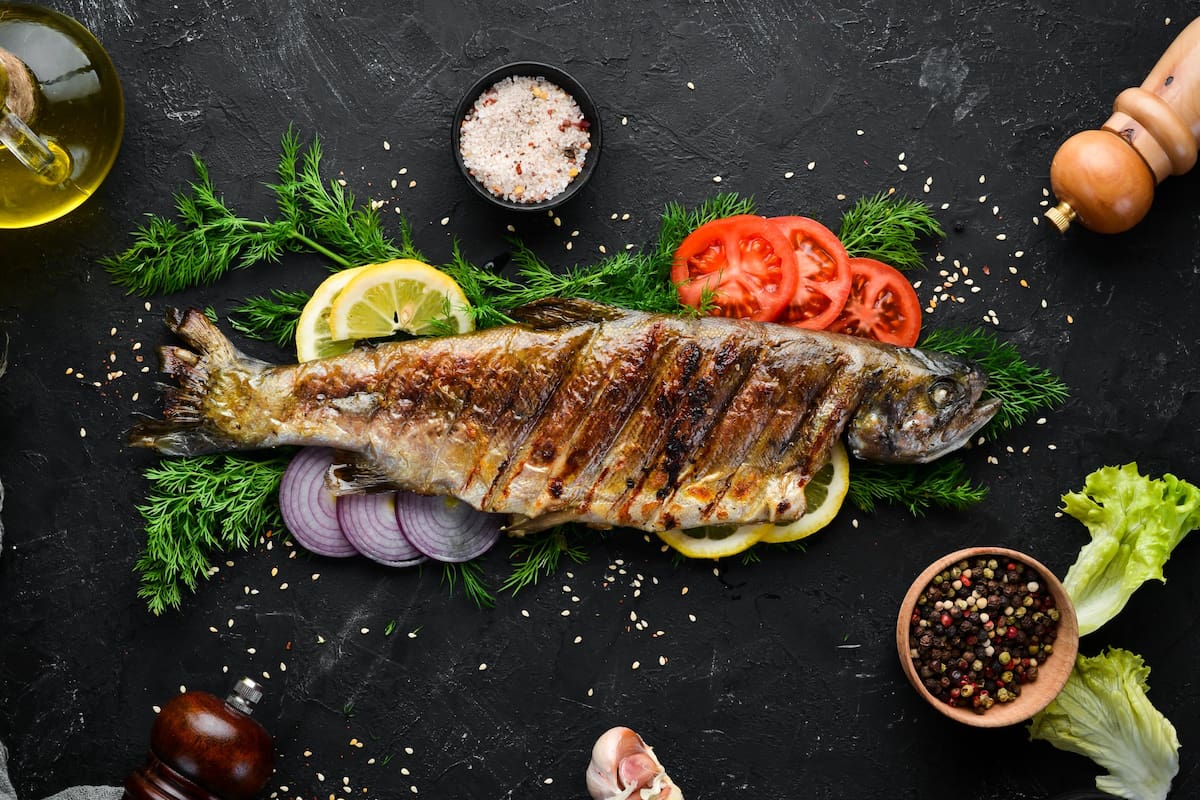
Trout combines high-quality protein with omega-3 fatty acids and vitamins and minerals that support important body functions. It deserves a regular place in a varied, balanced diet.
Trout versus salmon
Both fish have pink flesh and offer protein and omega-3, but they are different species with different nutritional profiles. Neither is inherently better or worse than the other.
Heart health benefits
Trout's omega-3 fatty acids EPA and DHA support cardiovascular function and help maintain healthy triglyceride levels and proper blood vessel function. Regular fish consumption is linked to lower cardiovascular disease risk.
“Trout can be considered a heart-healthy fish. It provides good quality proteins and omega-3 fatty acids, especially EPA and DHA, which participate in cardiovascular system function.”
Muscle maintenance
Trout provides high-value proteins containing all essential amino acids the body needs. This becomes especially important with age, when preserving muscle mass is key to healthy aging.
“Its proteins are of high value, so it helps maintain muscle mass, something especially important as we age.”
Brain and nervous system
Studies link higher fish consumption to lower risk of cognitive decline and dementia. However, fish alone cannot prevent these diseases; it works as part of a broader healthy eating pattern.
Vitamins and minerals
Trout provides selenium, phosphorus, vitamin B twelve, vitamin B six, niacin and vitamin D. These support bone health, immune function, nutrient metabolism and nervous system function.
Farmed trout keeps nutrients
Most trout sold in Argentina comes from aquaculture, mainly in Patagonia. Farmed trout maintains many nutritional characteristics of wild trout, including omega-3 EPA and DHA.
“Farmed trout maintains many of the nutritional characteristics of wild trout: it is a good source of high-quality proteins and provides healthy fats, including omega-3 EPA and DHA.”
Fat and omega-3 vary
The amount of fat and fatty acid profile in trout varies with the fish's diet, size, age and farming conditions. Not all trout have exactly the same omega-3 content.
Low mercury content
Trout is among fish species with low mercury content. Large, long-lived predatory fish accumulate higher concentrations. Cooking does not remove mercury, so choosing low-mercury species matters.
Good for children and older adults
Trout's tender texture when cooked makes it easy to consume for children and older adults. For those with chewing or swallowing difficulties, preparation can be adapted to their needs.
“Trout can be a very good option for children and older adults and, once cooked, has a tender texture that is usually pleasant and easy to consume.”
How often to eat fish
The general recommendation is to eat fish at least two times per week. Trout can be one choice, but it should be alternated with other species for nutritional variety.
Cooking methods matter
Baking, steaming, grilling and pan-frying with little added fat are healthy cooking methods. Frying, especially with breading, increases calories and fat, so it is not the preferred option.
Buying and storing trout
Buy from a licensed, trusted fishmonger. Fresh trout should have firm flesh and a mild, pleasant smell. Keep it refrigerated at four degrees Celsius or below and use within one or two days.
Simple preparation
A fillet baked or pan-fried with olive oil, lemon and herbs is simple and effective. Cook until the flesh is opaque and separates easily with a fork, especially important during pregnancy and for children.
“The important thing is to cook the fish well: the flesh should look opaque and separate easily with a fork.”
Easy recipes to start
Trout with asparagus, lemon and almonds; trout with peas, mint and lemon; or trout with arugula, strawberries and walnuts are three simple ways to add variety to your table.
The key point
Trout is a nutrient-dense fish rich in omega-3 fatty acids and high-quality protein that supports cardiovascular, muscular and brain health as part of a balanced diet.