From Lifehacker · Beth Skwarecki · · 3m
Your fitness tracker's calorie counts are basically guesses
Smartwatches and fitness trackers estimate calorie burn using incomplete data and unverified formulas, and studies show they're wrong more often than right.
In brief
Smartwatches and fitness trackers estimate calorie burn using incomplete data and unverified formulas, and studies show they're wrong more often than right. Don't rely on your fitness tracker's calorie burn estimates. Instead, adjust your food intake based on your actual weight changes over time. Originally reported…
Trackers guess at calorie burn
Fitness trackers use accelerometers and heart rate sensors to estimate calories burned, but they're working with incomplete information and unverified formulas that vary by device.
How accelerometers detect movement
Trackers detect steps by sensing rhythmic wrist movement. But this fails when your hands stay still, like holding a shopping cart or treadmill handle.
Heart rate fills the gaps

When movement data is unreliable, trackers use heart rate sensors to guess how hard your body is working. But optical sensors are less accurate on darker skin tones.
No algorithm transparency required
Companies don't have to publish how their calorie formulas work or prove they're accurate. You're comparing devices based only on marketing claims.
Research lags years behind
By the time scientists study a device, write it up, and publish findings, the company has already released newer models. A 2025 review found the Apple Watch Series 1 most studied, while Series 9 and 10 had no data.
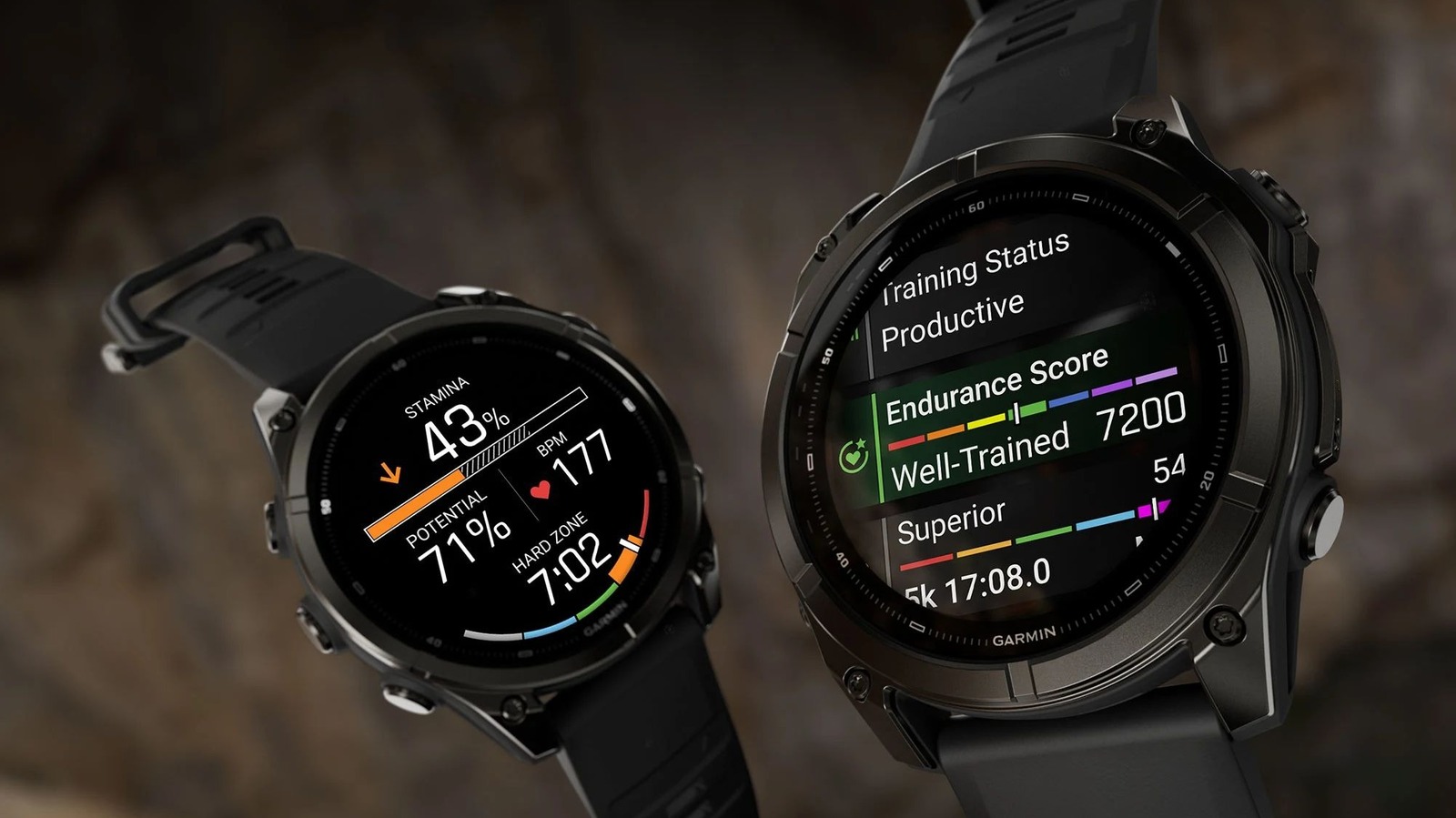
Garmin underestimates most
A 2020 study found Garmin devices underestimated calorie burn 69% of the time when compared to lab measurements.
Apple Watch overestimates often
Apple watches overestimated calorie burn 58% of the time in the same 2020 study, making them consistently unreliable in one direction.
Polar devices also overestimate
Polar devices overestimated calorie burn 69% of the time, matching Garmin's error rate but in the opposite direction.
Fitbit is inconsistently wrong
Fitbit underestimated 48% of the time and overestimated 39% of the time. Being roughly correct on average is useless if you don't know which way it's wrong.
Placement and activity matter
A 2018 Fitbit study found accuracy varied wildly based on where you wore it, whether you walked uphill, and if you maintained constant speed. No device was accurate enough to trust.
Every activity shows poor accuracy
A 2022 study tested Apple Watch 6, Fitbit Sense, and Polar Vantage V across sitting, walking, running, cycling, and strength training. Every device scored poor accuracy for every activity.
Off by 15 to 30 percent
Coefficients of variation ranged from 15% to 30% across all devices and activities. A 2025 review found calorie burn off by about 18% on average, missing the proposed 10% standard.
What 15% error actually means
If you truly burn 2,000 calories daily, a 15% error means your tracker could report 1,700 or 2,300. That's a 600-calorie swing that ruins any diet plan.
Skip the calorie math entirely
You don't need to know your calorie burn if you track your intake and weight. Adjust food based on the scale, not on tracker estimates.
Use weight as your feedback loop
If you're losing weight unintentionally, add calories. If weight stays steady after adjustment, you're eating right. This works better than trusting inaccurate burn estimates.
The takeaway
Don't rely on your fitness tracker's calorie burn estimates. Instead, adjust your food intake based on your actual weight changes over time.