From Literary Hub · · 1m 20s
The Odd Letter W: A History of the Alphabet
How the letter W emerged from Roman collapse to shape English spelling.
In brief
How the letter W emerged from Roman collapse to shape English spelling. The letter W evolved from medieval scribes doubling U to spell Germanic /w/ sounds, later influencing English spelling and pronunciation shifts. Originally reported by Literary Hub.
Quick answers
- Why W?
- W is a rare survivor of ancient /w/ sounds.
- What next?
- English spelling continues to evolve with W.
- What is the key takeaway from The Odd Letter W: A History of the Alphabet?
- The letter W evolved from medieval scribes doubling U to spell Germanic /w/ sounds, later influencing English spelling and pronunciation shifts.
W's birth
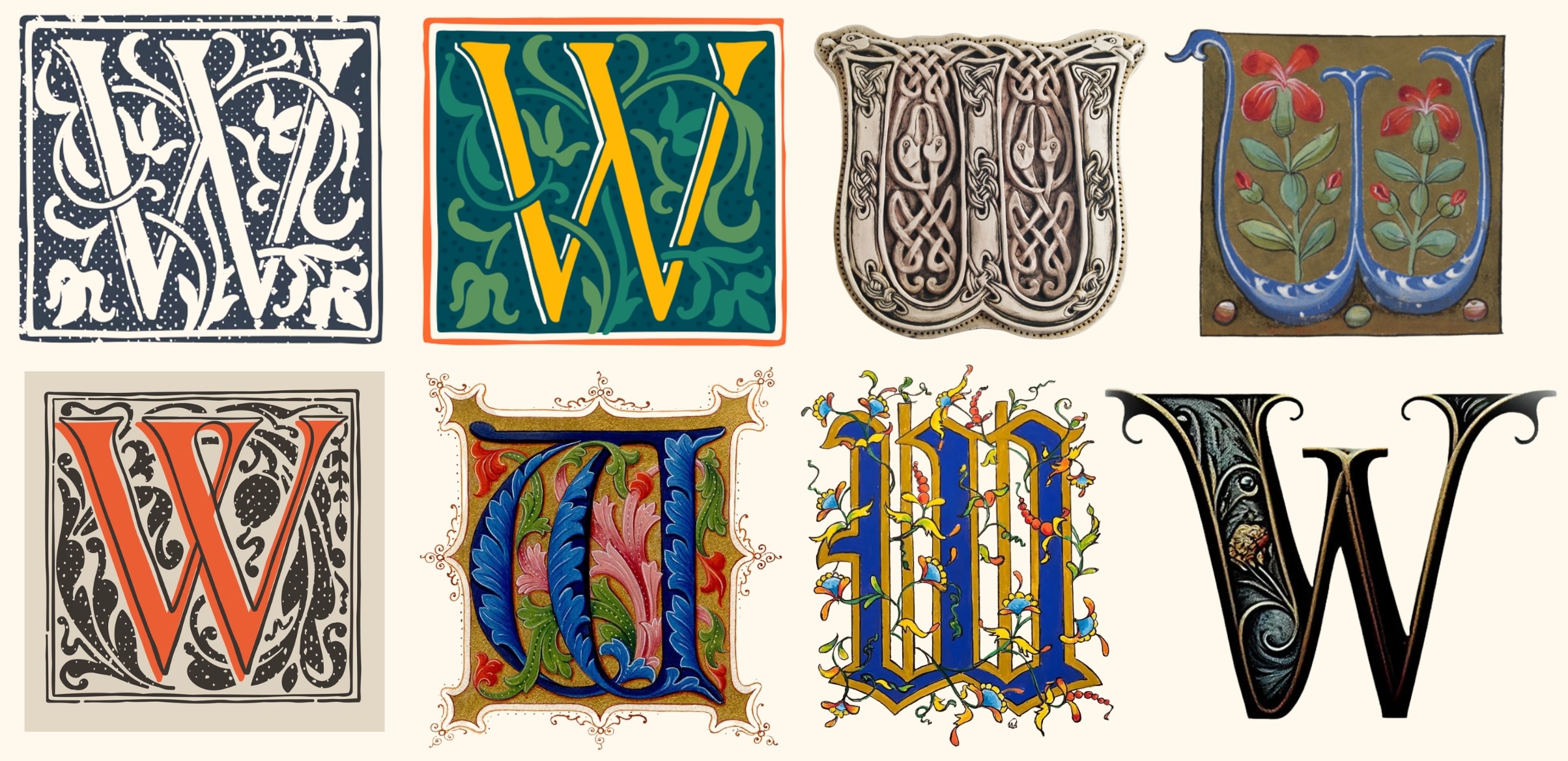
W began as doubled U in sixth century Francia.
“From the sixth century onwards, likely starting in the powerful kingdom of Francia”
Roman collapse

Western Roman Empire fell in 476 ce.
“The western half of the roman empire disintegrated into a patchwork of new kingdoms”
Germanic names

Kings like Clovis had names with /w/ sounds.
“One of these incoming tongues was the ancestor of the language you are reading right now”
Latin's problem

Latin had no letter for /w/ sounds.
“The trouble was, the latin alphabet now had no letter for this sound”
First W

Scribes doubled U to spell /w/ in texts.
“Within latin texts, we find germanically-named individuals like the abbot uu andeberctus”
W vs. U

W became standard spelling for /w/ sounds.
“Nonetheless, w established itself as a standard way to spell the germanic sound w”
Old English

English writers used Ƿ for /w/ sounds.
“Known as wynn, the letter Ƿ is extremely common in our old english sources”
Norman impact

W replaced Ƿ after norman conquest.
“It did survive the norman conquest, but gradually fizzled out during the middle english era”
Spelling shifts

W changed English vowel sounds.
“W has been brought in to tell the reader that the ow in town is a greatly shifted diphthong”
Rhyme effect
W causes words to rhyme differently.
“The third word, i think you will agree, does not rhyme with the previous two”
Shakespeare
Shakespeare rhymes W-words.
“was with glass, and warmed with disarmed”
Byron
Byron uses W-words in rhymes.
“as from the stroke of the enchanter's wand”
Modern W
W still shapes English spelling today.
“We could of course start to write wond instead of wand”
Why W?
W is a rare survivor of ancient /w/ sounds.
“The english consonant w is actually a rare survivor”
W's legacy
W influences vowel and consonant spelling.
“W has been brought in to tell the reader that the ow in town is a greatly shifted diphthong”
What next?
English spelling continues to evolve with W.
“For the moment at least, english readers and writers know to be cautious around the english letter w”
At a glance
The letter W evolved from medieval scribes doubling U to spell Germanic /w/ sounds, later influencing English spelling and pronunciation shifts.