From Malay Mail · · 1m 10s
Dungun's Kedai Kayu: History in Timber Shophouses
Dungun's wooden shophouses, built in 1933, still hold stories of Hokkien traders and iron ore miners.
In brief
Dungun's wooden shophouses, built in 1933, still hold stories of Hokkien traders and iron ore miners. Dungun's 1933 wooden shophouses, now housing 100 businesses, trace the town's history from fishing village to mining hub. Originally reported by Malay Mail.
Dungun's wooden shophouses
Dungun's wooden shophouses, built in 1933, are historical structures that show the town's shift from fishing village to trading hub.
Economic growth from mining
The iron ore mining boom in Bukit Besi from the 1930s to 1960s boosted Kuala Dungun's economy and trade.
100 shophouses remain
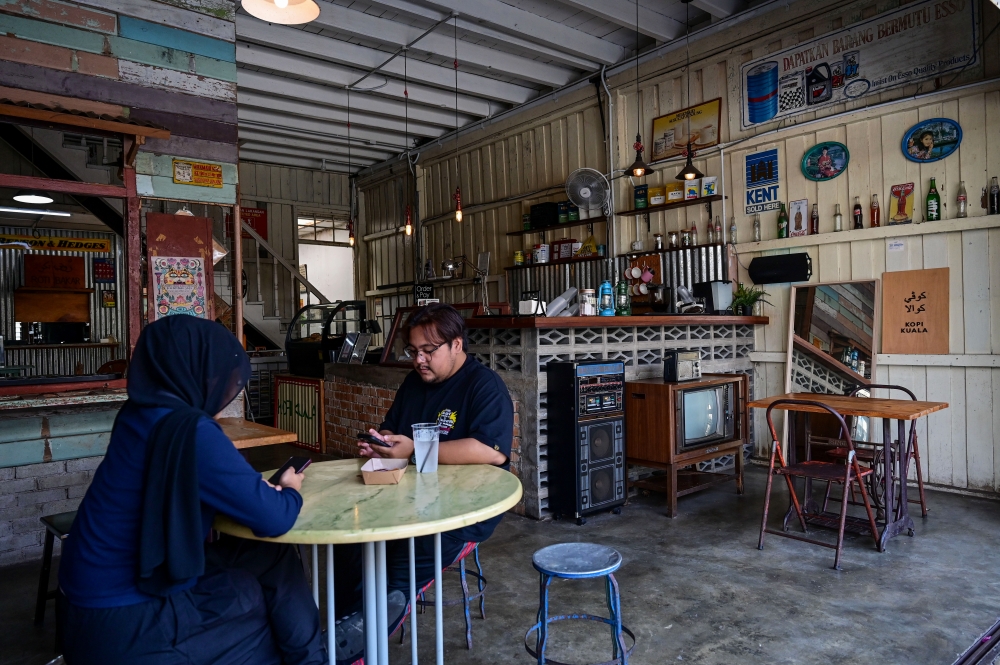
About 100 wooden shophouses still operate today, housing restaurants, hardware stores, and other businesses.
Hokkien traders' influence
Hokkien Chinese from southern China began settling in Dungun as early as 1922, opening grocery and seafood shops.
1933 reorganization
In 1933, Dungun District Office reorganized Kuala Dungun to create wooden shop lots for trade growth.
Original owner connection
The original owner of the shop was a former Bukit Besi iron ore mining company employee who purchased the building in the 1930s.
Modern business continuity
The shophouses continue to serve as businesses, preserving their original structure while adapting to modern needs.
What to remember
Dungun's 1933 wooden shophouses, now housing 100 businesses, trace the town's history from fishing village to mining hub.





