From Malay Mail · · 1m 40s
Lula’s social programs helped Brazil’s poorest state, but young voters want more
Lula’s social programs transformed lives in Brazil’s poorest state, but young voters want more economic opportunities.
In brief
Lula’s social programs transformed lives in Brazil’s poorest state, but young voters want more economic opportunities. Lula’s social policies improved living conditions in Brazil’s poorest state, but young voters seek broader economic opportunities beyond aid. Originally reported by Malay Mail.
Walter dos Santos' story
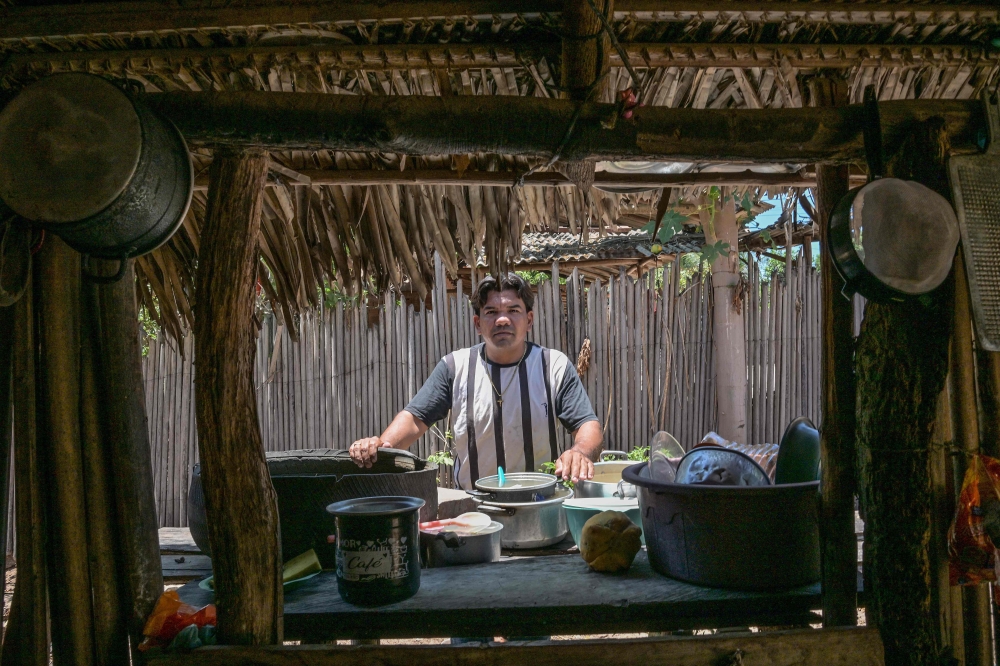
Walter dos Santos, 56, credits Lula’s social programs for helping his family escape poverty after his siblings died of hunger.
“Everything we were denied, our children can now have”
Lula’s social programs impact
Lula’s social policies reduced poverty in Maranhao from 67% to 49% between 2012 and 2025.
Lula’s strong support
Lula won nearly 64% of votes in a first-round election in Brazil’s Northeast, but lost over 250,000 votes compared to 2022.
Young voters want more
Young voters in Maranhao seek economic opportunities beyond social programs, as security and jobs become concerns.
Lula’s appeal
Lula’s life story growing up poor resonates with Northeastern Brazilians, who see him as the quintessential Northeasterner.
Bolsa Familia program
Bolsa Familia provides cash to low-income families who keep children in school and vaccinated, improving health and education.
Regional economic challenges
Maranhao, Brazil’s poorest state, faces limited economic opportunities and rising security concerns due to criminal factions.
Lula’s political position
Lula’s Workers’ Party (PT) coordinates efforts to address regional issues, including low voter turnout in Maranhao.
Voting trends
Young voters in Maranhao are increasingly voting for Bolsonaro, seeking economic opportunities beyond social assistance.
Presidential runoff
Lula and Bolsonaro face a tight presidential runoff election in Brazil, with Lula’s support shifting among voters.
The headline
Lula’s social policies improved living conditions in Brazil’s poorest state, but young voters seek broader economic opportunities beyond aid.