From Malay Mail · Soo Wern Jun · · 3m
Malaysia's OPR stays at 2.75pc: What it means for you
Bank Negara holds rates steady for the seventh time, keeping borrowing costs and savings returns on pause.
In brief
Bank Negara holds rates steady for the seventh time, keeping borrowing costs and savings returns on pause. The unchanged OPR means no immediate change to floating-rate loans or deposit returns, but the impact varies by product and bank. Originally reported by Malay Mail.
Bank Negara holds rates steady
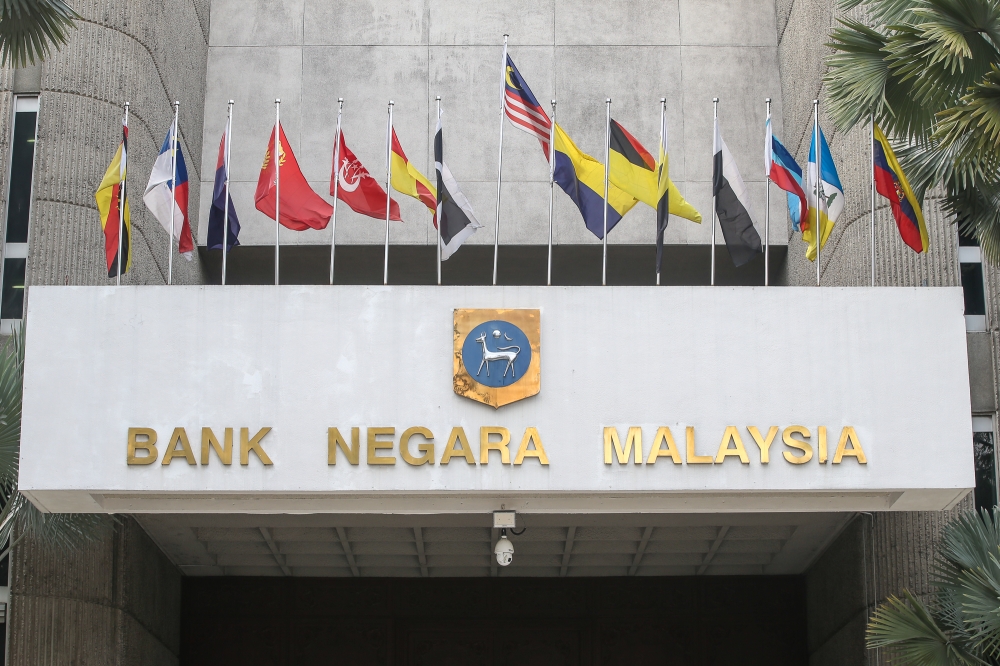
Malaysia's central bank kept the Overnight Policy Rate at 2.75 percent for the seventh consecutive meeting, the lowest level since the Covid-19 pandemic.
What the OPR actually does
The OPR is Bank Negara's key tool to influence interest rates across the banking system for loans and deposits, affecting borrowing costs and savings returns.
How Bank Negara decides the rate
The Monetary Policy Committee considers inflation outlook, economic growth, domestic demand, financial conditions and global developments before deciding to raise, lower or hold the OPR.
Why the rate stayed put this time
Malaysia's economy grew 6 percent in Q2 2026 with inflation at 1.8 percent in July. Bank Negara said the current stance supports price stability and sustainable growth.
OPR and inflation are not the same thing
Inflation measures how fast prices change, while the OPR is a policy tool to influence economic conditions. A 1.8 percent inflation rate does not mean the OPR should be 1.8 percent.
Impact on floating-rate home loans
For floating-rate mortgages, the Standardised Base Rate is linked to the OPR. Banks add a spread based on credit risk and costs, so OPR changes directly affect your monthly instalment.
Car loans may not change automatically
Car loan interest rates do not automatically adjust when the OPR moves. The effect depends on the type of financing and the specific terms of your agreement.
Credit cards and revolving debt
Interest rates on credit cards and revolving balances determine how much you pay to borrow and how much interest accumulates. Variable-rate debt becomes more expensive when rates rise.
Savings accounts and fixed deposits
When interest rates are higher, banks may offer better returns on savings accounts and fixed deposits. When rates fall, deposit returns typically decline as well.
Deposit rates do not move in lockstep
Banks consider competition, funding needs and their own pricing when setting deposit rates. Deposit rates do not necessarily move by the same amount as the OPR.
No automatic change to your costs
An unchanged OPR means no new OPR-driven increase or decrease in borrowing costs from this decision. Your actual costs depend on your specific loan or savings product.
OPR does not directly control prices
An unchanged OPR does not mean prices will stay the same. The OPR influences overall demand and financial conditions rather than directly controlling the prices of goods and services.
Bank Negara watching external risks
Bank Negara remains vigilant to developments affecting inflation and growth, particularly geopolitical tensions and energy costs that could impact the Malaysian economy.
Next decision in November 2026
The OPR remains at 2.75 percent. The next scheduled Monetary Policy Committee decision is November 5, 2026.
The main idea
The unchanged OPR means no immediate change to floating-rate loans or deposit returns, but the impact varies by product and bank.