From Malay Mail · · 1m 30s
Pet parents reshape consumption culture
Malaysians view pets as family members, driving emotional purchases and new marketing strategies.
In brief
Malaysians view pets as family members, driving emotional purchases and new marketing strategies. Pet parents in Malaysia increasingly treat pets as family, leading to emotional consumer decisions and businesses adapting to emotional needs rather than just product utility. Originally reported by Malay Mail.
Pet parent definition
Pet parents see pets as family members, not just animals, taking active roles in their care and wellbeing.
“Pet parent is a term that has become increasingly familiar in everyday conversations”
Changing family dynamics
Malaysians increasingly view pets as companions receiving attention, care and meaningful family roles.
“Pets are increasingly seen not merely as animals kept at home, but as companions that receive attention, care and a meaningful place in everyday family life”
Emotional purchasing
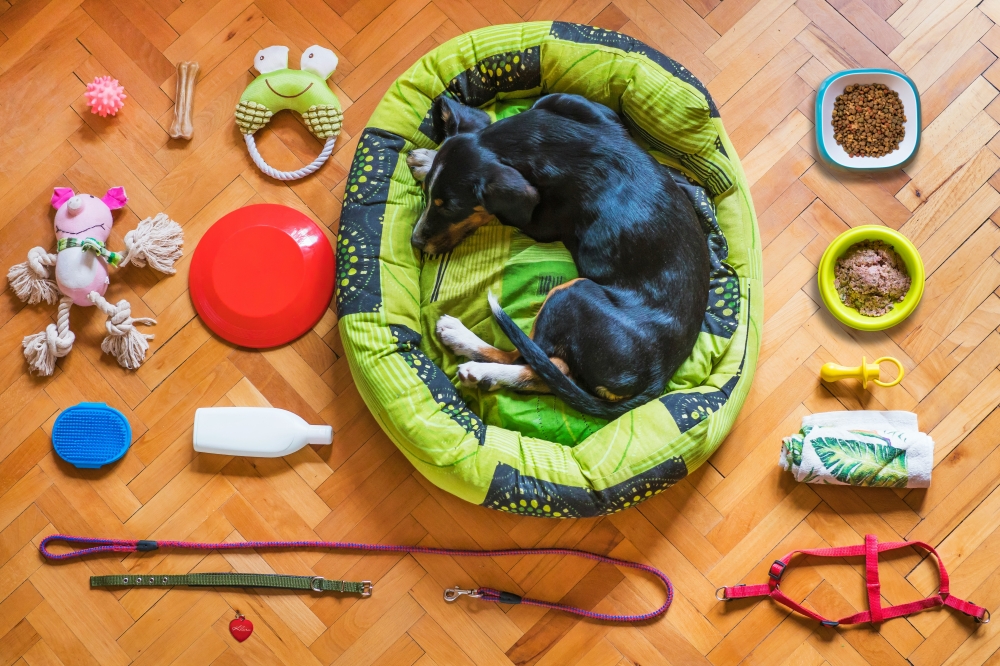
Pet parents buy products to express affection, responsibility and concern for pets' wellbeing rather than just necessity.
“A purchase that may once have been considered ordinary can become a way of expressing affection, responsibility and concern for a pet's wellbeing”
Social media influence
Social media normalizes pet care products and services, creating expectations and influencing what pet parents consider necessary.
“This constant exposure can influence expectations, particularly when certain products, services or routines appear repeatedly in online content”
Marketing adaptation
Businesses create products focused on comfort, wellbeing and lifestyle to connect with pet parents' emotional needs.
“For marketers, the emotional relationship between pet parents and their pets creates an opportunity to communicate with consumers at a more personal level”
Value redefinition
Product value now includes emotional meaning, responsibility and wellbeing rather than just utility or price.
“A purchase can therefore become an expression of responsibility, with spending a little more feeling justified when the decision is associated with providing better care”
Consumer responsibility
Pet parents must distinguish genuine needs from products promoted as necessary but not actually needed.
“Some of these choices may genuinely improve wellbeing, while others may simply add to the list of things consumers feel they ought to buy”
Ethical marketing
Businesses should avoid creating consumer guilt and ensure emotional attachment doesn't turn into obligation.
“When emotional attachment becomes part of the selling process, there is also a responsibility to ensure that affection is not turned into guilt”
New consumption culture
Malaysians increasingly attach emotional meaning to purchases involving important relationships, reshaping consumption patterns.
“The pet market provides a clear example of how consumption can become connected to identity, affection and responsibility”
Key question
How easily can love influence what we are willing to buy, rather than how much we spend on pets?
“Perhaps the real question is not how much we spend on our pets, but how easily love can influence what we are willing to buy”
The short version
Pet parents in Malaysia increasingly treat pets as family, leading to emotional consumer decisions and businesses adapting to emotional needs rather than just product utility.





