From Malay Mail · Malay Mail · · 1m 10s
Unauthorised oil blending risks Malaysia's global image
Experts warn unauthorised oil blending could damage Malaysia's international reputation through regulatory gaps.
In brief
Experts warn unauthorised oil blending could damage Malaysia's international reputation through regulatory gaps. Malaysia's oil blending regulations require written approval from Customs director-general to prevent health, safety and trade compliance risks. Originally reported by Malay Mail.
Oil blending regulations
Oil blending activities require written approval from the Customs director-general and thorough documentation for legal compliance.
Blending process oversight
Operators must ensure written approval is obtained when blending activities exceed the scope of their licence.
Documentation requirements
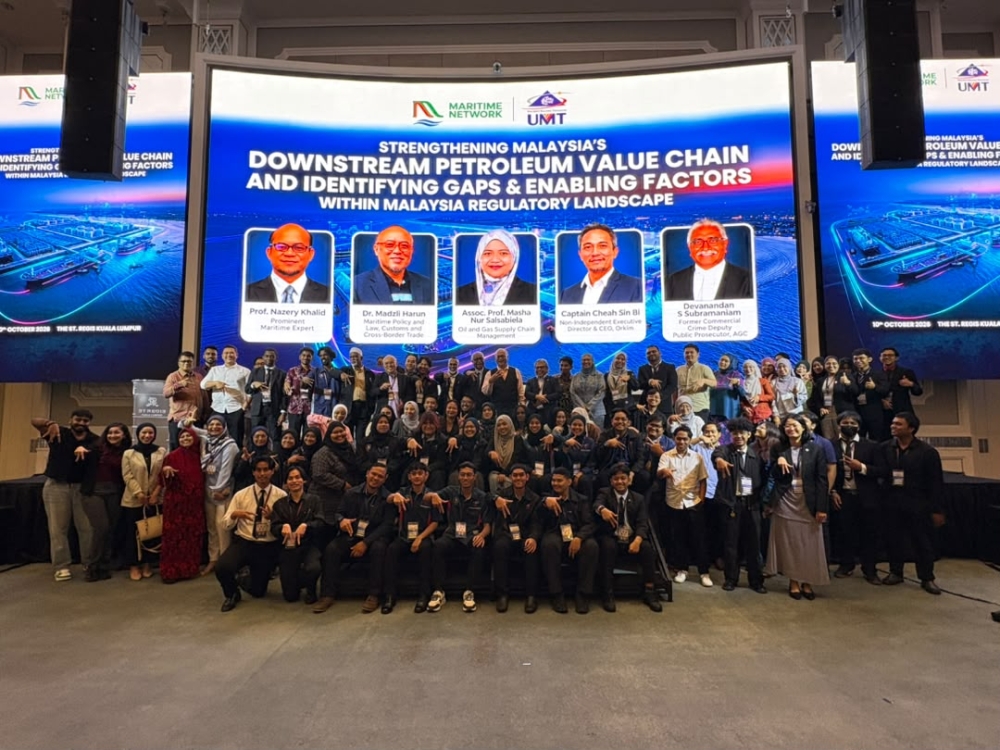
Contracts, bills of lading and cargo manifests must align to ensure declared information matches actual transactions.
Regulatory risks
Incomplete documentation could raise questions over goods declaration, regulatory compliance and tax treatment.
Industry accountability
Maritime Network Sdn Bhd CEO emphasizes transparency and safety in petroleum cargo management.
Health and safety concerns
Unauthorised blending could threaten health, safety and environmental integrity.
International reputation risks
Regulatory gaps could damage Malaysia's global image through international trade disputes.
System integrity
Clear controls on blending are needed to preserve customs system integrity and reduce disputes.
Global implications
Unauthorised blending could undermine malaysia's international trade reputation.
What it means
Malaysia's oil blending regulations require written approval from Customs director-general to prevent health, safety and trade compliance risks.





