From Men's Health · Oliver Lee Bateman · · 4m
Creatine for your brain: what the science actually says
Creatine went from steroid-adjacent gym powder to a brain supplement sold to everyone, and the research has not caught up.
In brief
Creatine went from steroid-adjacent gym powder to a brain supplement sold to everyone, and the research has not caught up. Creatine is safe and proven for muscle, but the brain benefits show up mostly in people who are already deficient, not in healthy adults. Originally reported by Men's Health.
A pharmacist doses himself

Drew Dible, 31, measures five grams of creatine monohydrate in a small Missouri pharmacy. Not for a customer. For himself, and not for his lifts.
He was a supplement skeptic

Dible ran 5Ks and lifted for years while taking nothing but a multivitamin. He thought the whole wellness category was a con.
“Most of this wellness stuff always struck me as a bit scammy, so I didn't waste my money on it”
Hedging against the fog
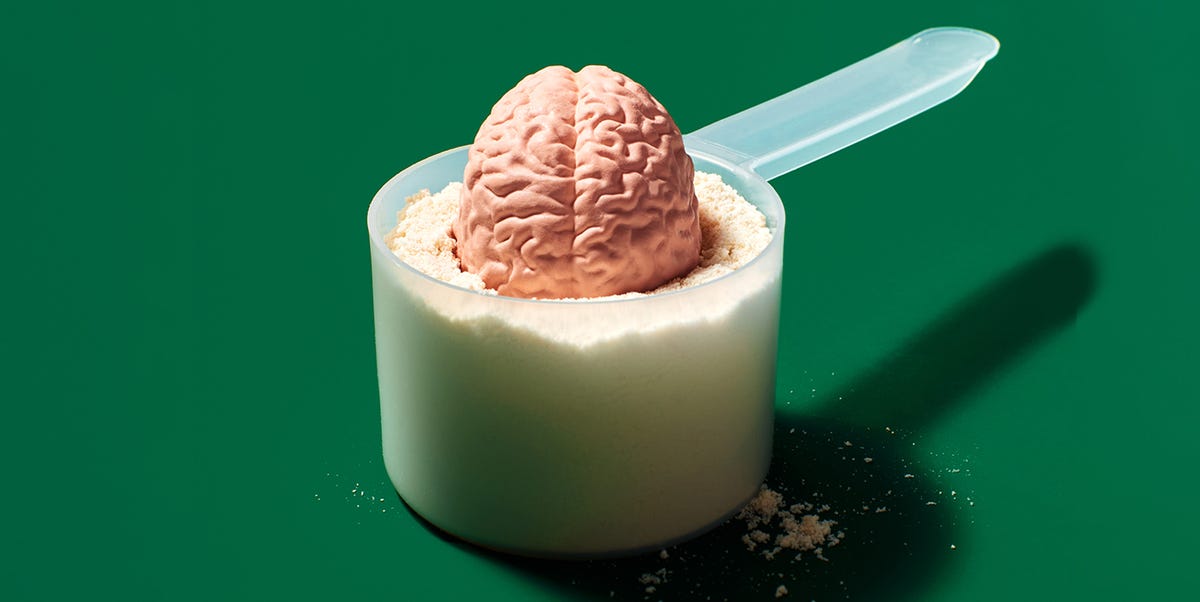
Hitting his early 30s, he wanted insurance against mental decline. The sharpness he had at 22 was quietly slipping.
“I didn't feel a lack of focus at the time so much as a desire for more focus”
The Huberman pipeline
During the pandemic Dible started listening to Huberman Lab. Since 2021, Andrew Huberman has put out eight episodes with creatine in the title.
The podcast promise
Huberman has pitched creatine for memory, mood, depression, and recovery from concussion. He takes 10 to 15 grams a day himself.
“has also been shown (in several quality clinical trials) to improve mood and help the symptoms of major depression”
Creatine is everywhere now

It is in protein bars, energy drinks, and gummies. Momentous, Thorne, and Onnit build whole product lines around it, and many sell the brain angle.
A half billion dollar habit
Vitamin Shoppe creatine sales jumped 120 percent year over year in 2023. The global market sits at $501 million and is forecast to hit $923 million by 2033.
It used to be the scary stuff
Thirty five years ago creatine was treated as a steroid cousin, rumored to wreck kidneys, destroy livers, and bloat you. Now it sits on a Target shelf.
What creatine actually does

It occurs naturally in red meat, fish, and milk, and your body makes some. Its job, known since the 1930s, is producing ATP to fuel short bursts of effort.
Nobody was checking
Creatine monohydrate hit shelves in 1993, a year before the FDA got any supplement oversight. Third party testing did not exist until 1999, and supplement makers funded most of the early research.
A front page scare
A 1997 New York Times story tied wrestler deaths to creatine. The FDA later ruled creatine was not the cause and pointed at ephedrine instead.
Three men cleared its name
Darren Candow, Richard Kreider, and Scott Forbes ran the studies that mattered: more lean mass with protein, better bench endurance and power, and 21 months of use with no kidney or liver damage.
Safe, effective, and ethical
That was the International Society of Sports Nutrition's verdict in 2007. The stigma broke, and creatine joined protein powder as a default.
Buried in the old data
A 2017 review of hundreds of studies turned up something nobody had chased: hints that creatine eased symptoms in neurodegenerative disease, stroke, and adolescent depression.
The brain runs on ATP too
Your brain burns up to 20 percent of your body's energy and appears to store ATP the way muscle does. That is the proposed mechanism for any mental benefit.
Memory, attention, bad sleep
A 2024 meta-analysis of 16 studies found possible gains in memory, attention, and processing speed. A separate study found 15 to 20 grams blunted the drag of one rough night by revving brain mitochondria.
The company that sells the story
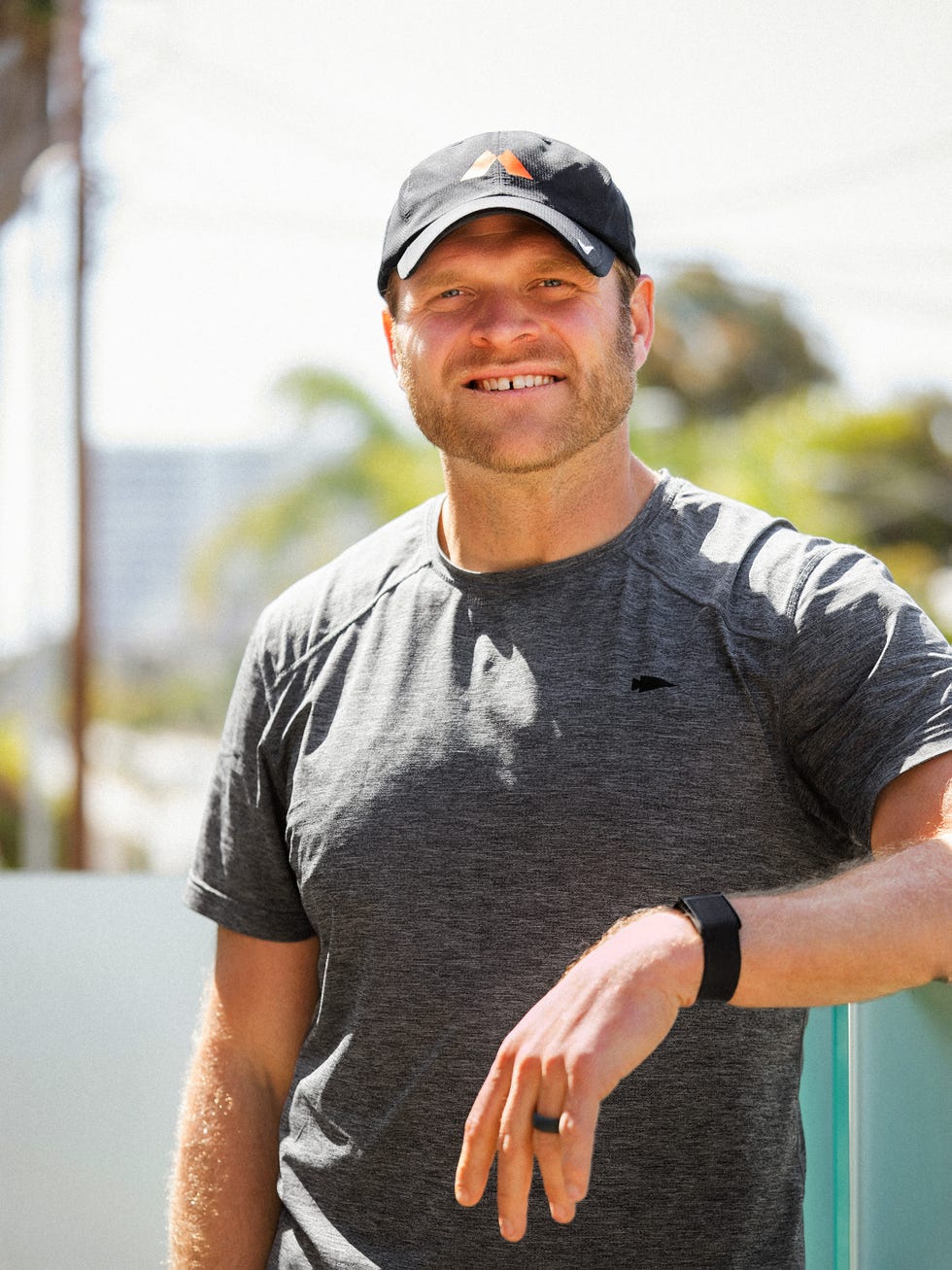
Momentous struggled until 2021, then leaned hard into the brain pitch in 2022. Creatine is now a best seller and anchors its $130 flagship bundle.
“I didn't realize the cognitive and neuroprotective benefits until about three or four years ago”
The advisor is the influencer
Huberman joined Momentous's board in 2022 and, per CEO Jeff Byers, drove the pivot to brain health. Huberman discloses that Momentous pays him as a scientific advisor.
Check the label, check the dose

Most creatine on shelves is not third party certified, so amounts vary and tested athletes risk tainted product. Five grams daily covers muscle. Cognitive dosing may need 10 to 15, and nobody has pinned it down.
It will not make you superhuman

Most brain research used people already deficient: vegans, the elderly, the sleep deprived. A 2024 review found no significant effect in young healthy adults.
“creatine doesn't appear likely to turn healthy individuals into superhumans”
The headline
Creatine is safe and proven for muscle, but the brain benefits show up mostly in people who are already deficient, not in healthy adults.