From NPR · · 4m
Arab parties hold key to Israel's deadlocked election
Palestinian citizens of Israel voted in record numbers, stripping Netanyahu of his majority and giving Arab-led parties the power to decide who forms the next government.
In brief
Palestinian citizens of Israel voted in record numbers, stripping Netanyahu of his majority and giving Arab-led parties the power to decide who forms the next government. Arab-led parties won nineteen of one hundred twenty seats in Israel's inconclusive election after Palestinian citizens voted in record numbers…
Palestinian citizens break voting boycott
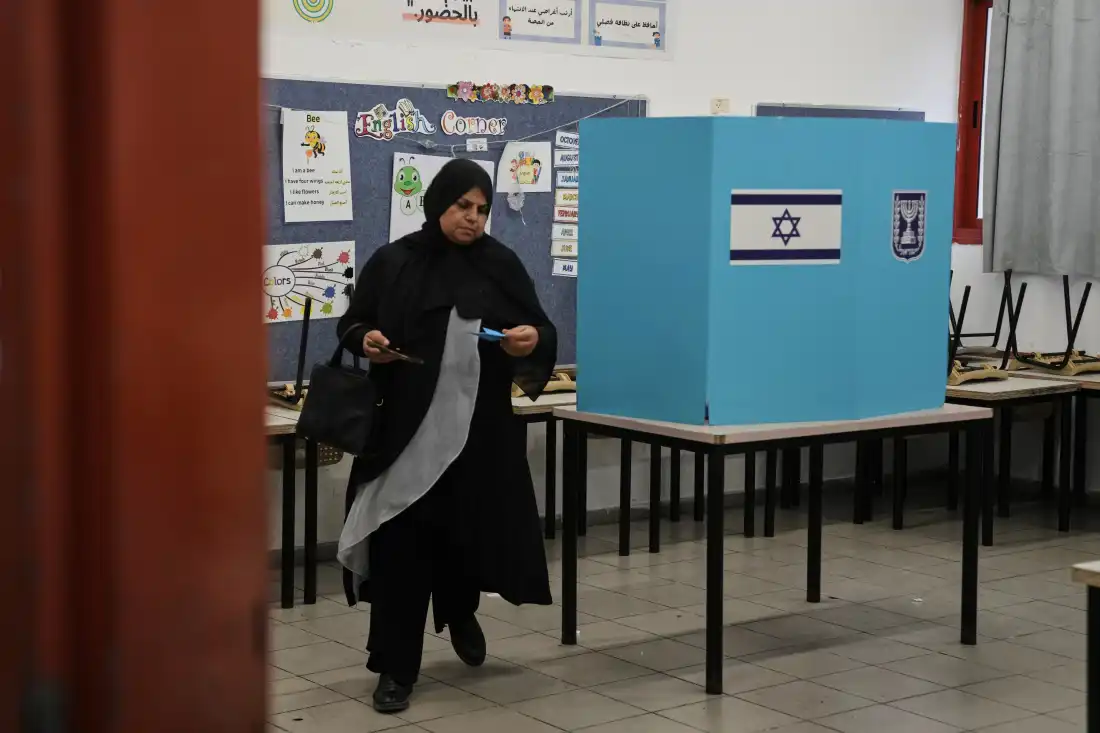
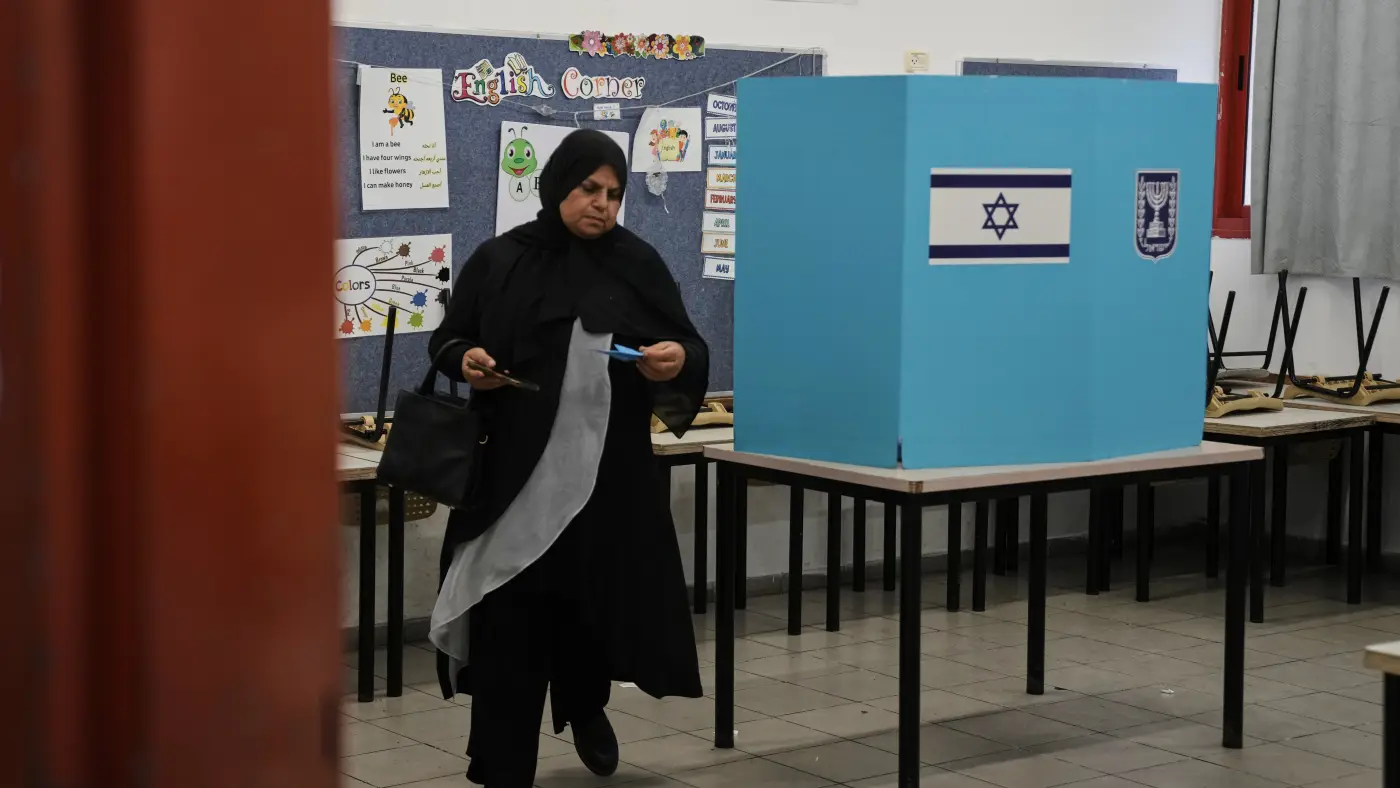
Palestinian citizens of Israel voted in record numbers last month, reversing years of disengagement from elections they saw as futile given their marginalization and oppression.
Netanyahu loses his majority
The surge in Arab voting stripped Prime Minister Benjamin Netanyahu's far-right government of its majority in parliament, the most significant blow to his political dominance in years.
Arab parties become kingmakers
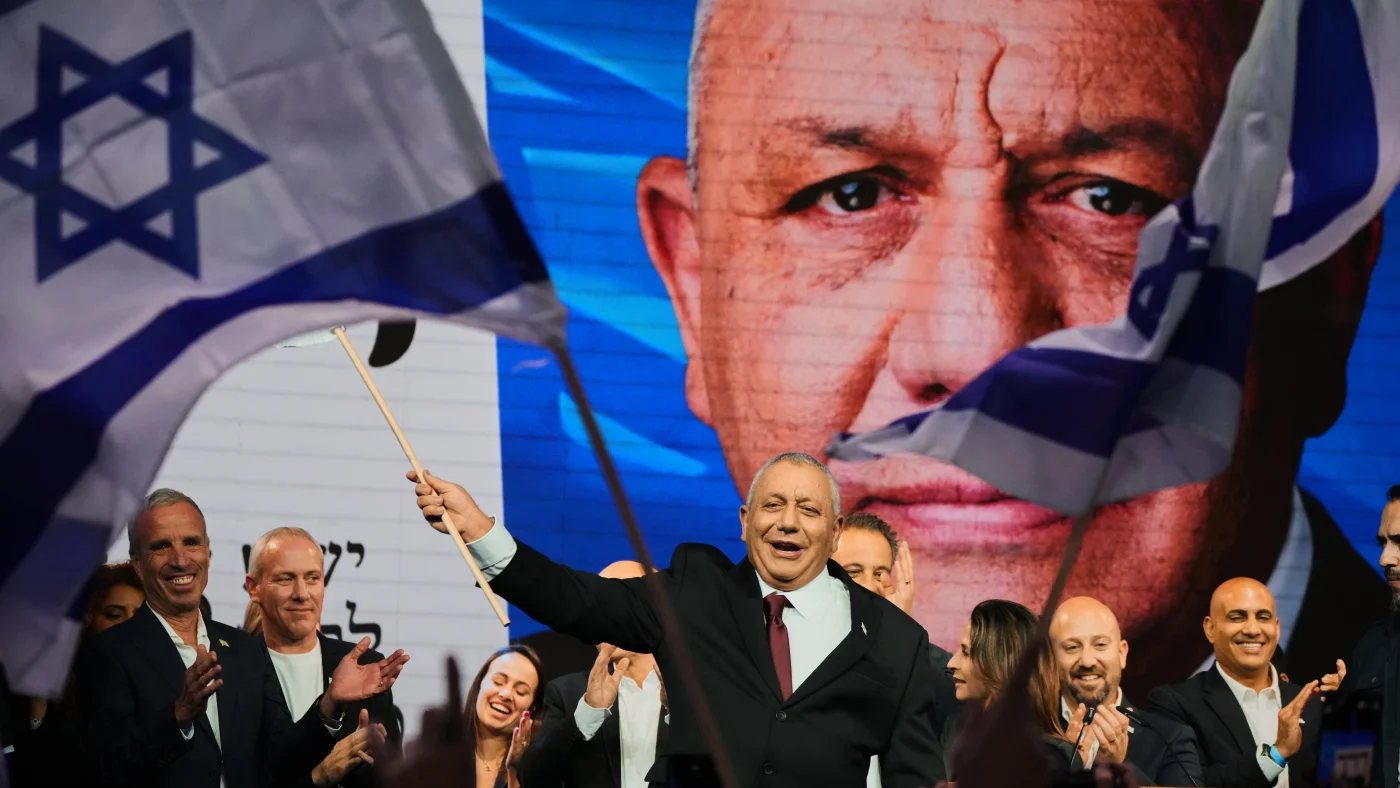
Arab-led parties won nineteen of one hundred twenty seats. Neither Netanyahu's coalition nor challenger Gadi Eisenkot's center-right opposition reached the sixty-one seats needed to govern alone.
A historical achievement
Jamal Zahalka, chairman of the High Follow-Up Committee representing Palestinian citizens of Israel, said the result blocked Netanyahu's government from continuing and showed their community found its strength.
“We blocked the government of Netanyahu from continuing. It's a historical achievement.”
Decades of marginalization and violence
Palestinian citizens gathered in Kufr Qasim to commemorate residents gunned down in nineteen fifty-six by Israeli border police. They mourned both past killings and current suffering of Palestinians.
Gaza war and West Bank violence
Israel's war against Hamas in Gaza has killed more than seventy-four thousand Palestinians. Rights groups say Netanyahu's government has armed and supported settlers forcing Palestinians from West Bank homes.
Discrimination drives turnout
Sharp rises in discrimination against Palestinian communities in Israel since the October seventh, twenty twenty-three Hamas attacks motivated record voting. Intisar Sarsur, sixty-five, said there is no freedom anymore.
“There is no freedom anymore. We are seeking for our basic rights as human beings.”
Sixty-four percent increase in Arab votes
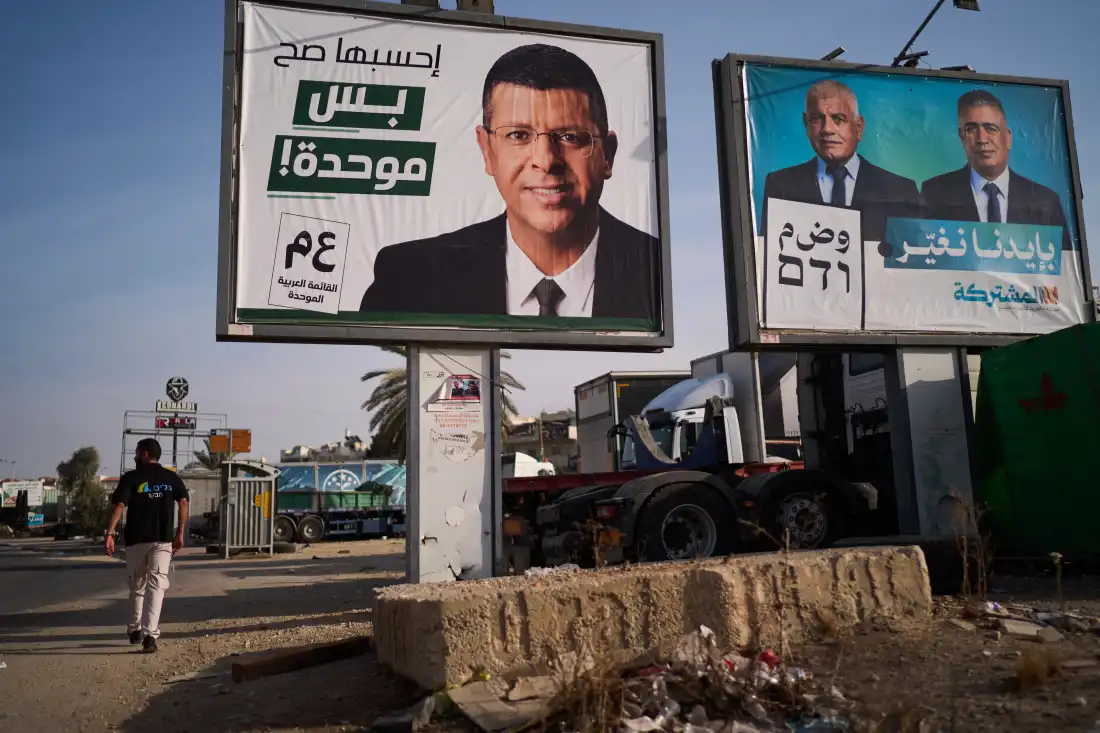
Arab-led parties received a sixty-four percent increase in votes compared to the last elections, according to the Central Elections Committee, making them a major political force.
Netanyahu claims fraud without evidence
Netanyahu and his Likud party claimed Arab parties had stolen the election through bribery, threats and forgery, and warned of foreign takeover and Islamization of Israel. Police found no basis.
Election officials confirm vote integrity
Police say they found no basis for fraud claims. Election officials say there was no widespread fraud and the vote was conducted properly. The results were not compromised.
Eisenkot's hawkish military record
Gadi Eisenkot, a former military chief of staff, formulated the Dahiyeh doctrine in two thousand eight, calling for disproportionate force against villages from which militants fire on Israel.
Arab parties split on coalition strategy
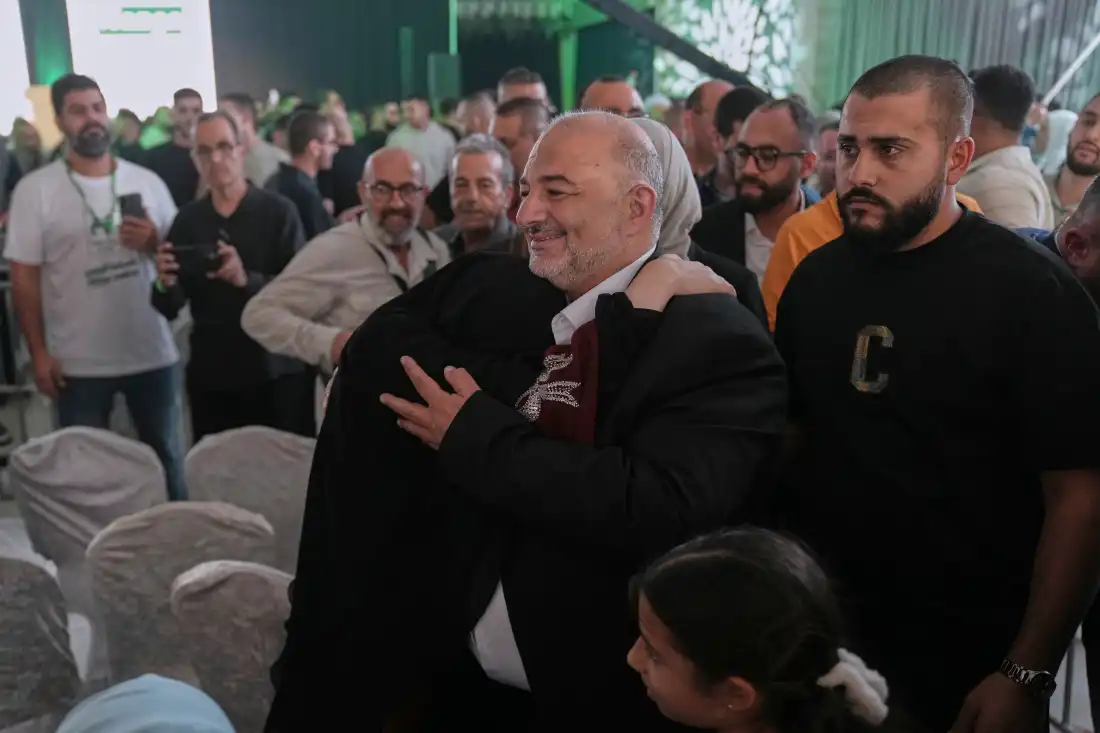
Ra'am, a socially conservative Islamist party, campaigned on joining a governing coalition. But the Joint List alliance, which won eleven of the nineteen Arab seats, won't formally partner with Eisenkot.
Joint List conditions for support
The Joint List said it could back Eisenkot's government from outside but won't join it, citing Israel's ongoing war in Gaza and its occupation of the West Bank.
Coalition formation timeline begins
President Isaac Herzog is consulting with parties over who they would support. He is expected to announce next week which candidate he will give a mandate to form a coalition.
Twenty-eight days to form government
The chosen candidate will have twenty-eight days to form a coalition and can ask for a further two-week extension. If they fail, another candidate gets twenty-eight days without extension.
Repeat elections if no coalition forms
If no candidate manages to form a government, there will be repeat elections next year. Palestinian citizens have found their political voice and will shape Israel's future.
At a glance
Arab-led parties won nineteen of one hundred twenty seats in Israel's inconclusive election after Palestinian citizens voted in record numbers, making them kingmakers in coalition talks.