From NPR · · 4m
Historic preservation law faces dual threats
Sixty years after the National Historic Preservation Act, advocates warn that federal changes and a Senate bill could strip protections from over 100,000 historic sites.
In brief
Sixty years after the National Historic Preservation Act, advocates warn that federal changes and a Senate bill could strip protections from over 100,000 historic sites. Federal regulators and Congress are moving to weaken Section 106, the enforcement mechanism of the 1966 National Historic Preservation Act, through…
Sixty years since the landmark law
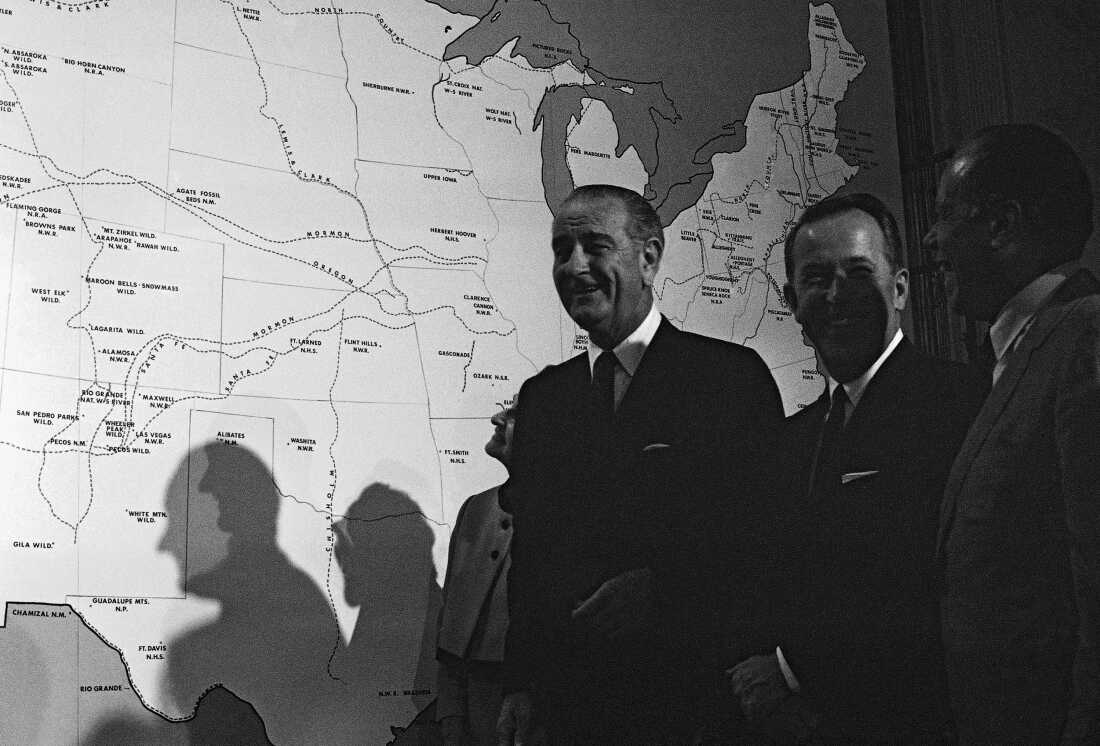
President Lyndon B.Johnson signed the National Historic Preservation Act into law on October fifteen, nineteen sixty-six, alongside half a dozen conservation bills.
“We have come here this morning to give part of our country back to its people.”
What the law created
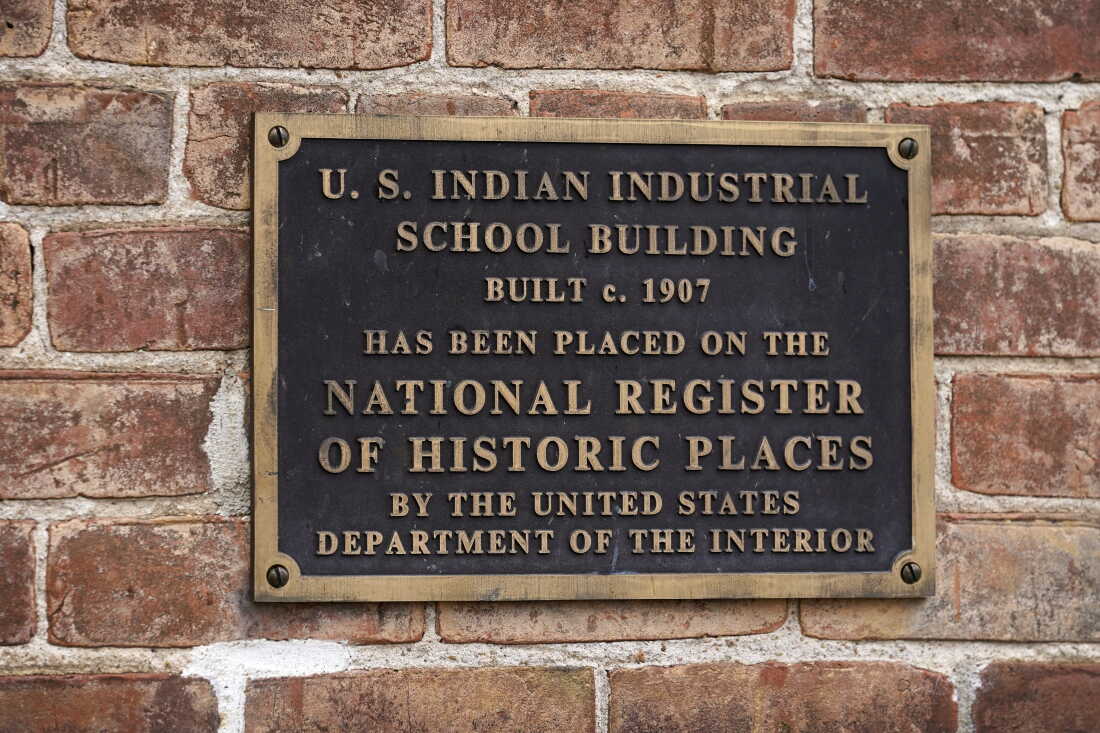
The NHPA created a mechanism for identifying and protecting historic sites ranging from a single tree to an entire district.Today, more than one hundred thousand landmarks are listed on the National Register of Historic Places.
Section 106: the law's enforcement
Federal agencies must consult with states, tribes and stakeholders before beginning projects that could harm historic sites through a process called Section 106 review.
“Section 106 is in many ways the teeth behind the National Historic Preservation Act.”
What Section 106 has accomplished
Section 106 has saved historic buildings from demolition and prevented development on archaeological sites. The review process does not necessarily stop projects but ensures efforts are made to mitigate impacts on historic resources.
Two threats emerging now
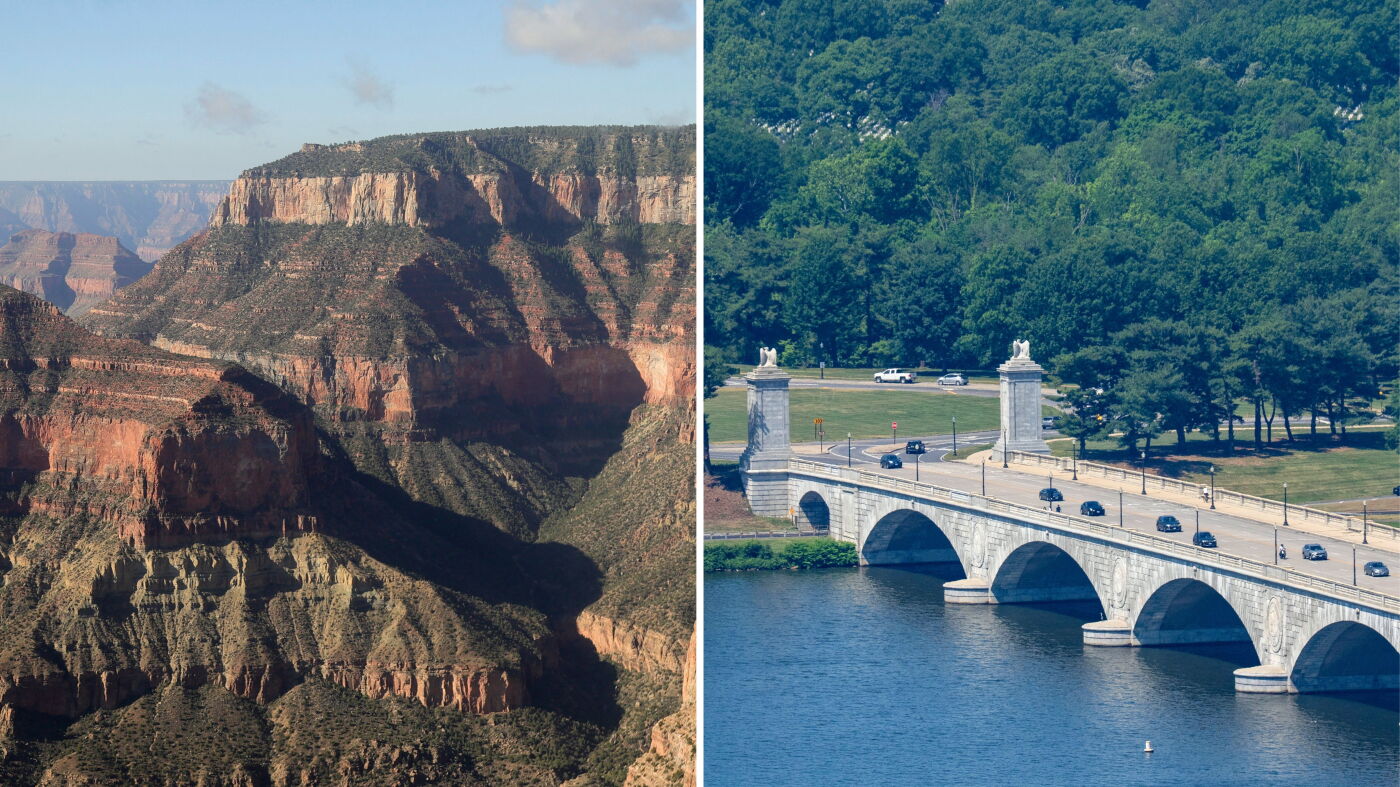
A federal council packed with Trump appointees voted this summer to weaken Section 106 regulations. A bipartisan Senate bill gaining traction would significantly narrow the review process to speed up infrastructure and energy projects.
What advocates say is at stake
Greg Werkheiser, whose law firm leads a coalition to protect Section 106, says the changes will gut the act's meaning and protections for hundreds of thousands of sites across the country.
“It will effectively rewrite the National Historic Preservation Act in ways that, for all intents and purposes, gut its meaning and protections for hundreds of thousands of sites across the country.”
Section 106 Strong coalition launches
Section 106 Strong, officially launched Thursday, spans one thousand organizations including religious, environmental and civil rights groups and Tribal Nations collectively representing more than nine million Americans.
Why preservation law was created
During the Great Depression, the federal government surveyed twelve thousand historic buildings. By nineteen sixty-five, half had been destroyed or damaged beyond repair, prompting Johnson to convene a committee to study the issue.
Post-war destruction sparked the movement
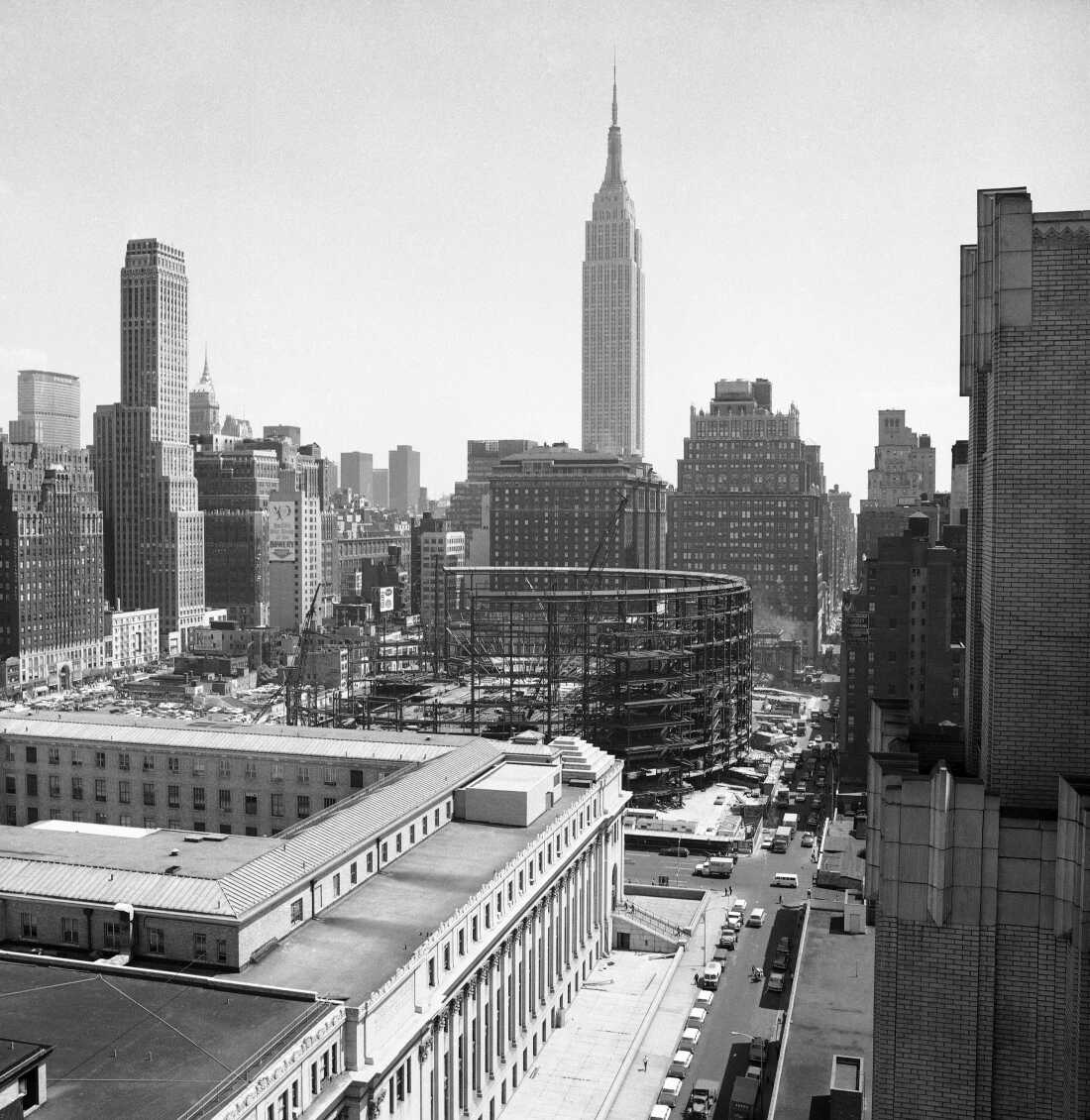
The push for historic preservation was born from public backlash to post-World War II urban renewal and highway construction, which displaced entire communities and destroyed many American landmarks including New York City's original Penn Station.
Tribes gained a seat at the table late
Native American tribes and Native Hawaiian organizations were not included in preservation duties until nineteen ninety-two, one of the last major amendments to the law.
Tribal concerns about the changes
Valerie Grussing, NATHPO's executive director of legislative affairs, says the proposed changes would represent an enormous and devastating setback to pre-nineteen sixty-six historical preservation and tribal voice and perspectives being considered.
Section 106 review is fast, experts say
Historic preservation experts maintain that Section 106 gives experts and the public visibility into federal projects without significantly slowing them down. The nationwide average review takes sixteen days, and ninety-eight percent conclude no adverse effect.
The regulatory changes proposed
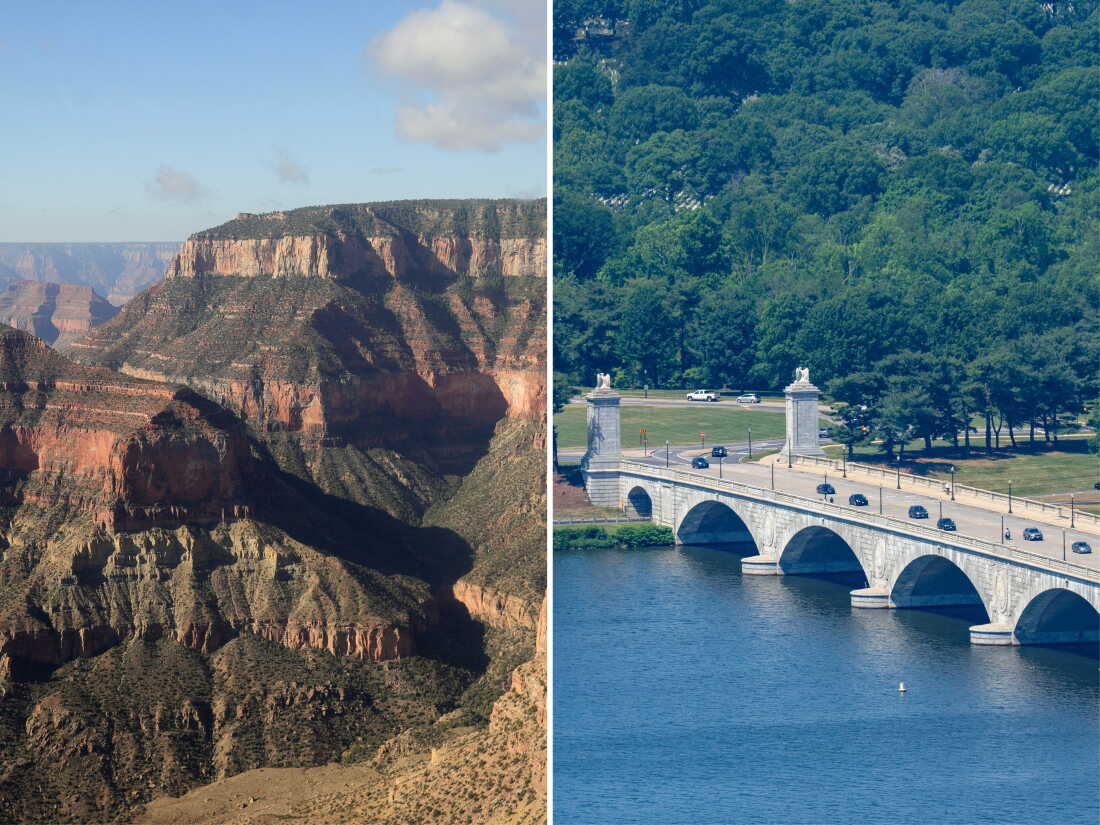
In July, the Advisory Council on Historic Preservation voted to limit what properties can be considered historic, excluding significant landscape features like the Grand Canyon.
The Senate bill threat
In late September, a bipartisan group of senators introduced a bill to streamline Section 106 in similar ways, curtailing public and tribal input, narrowing analysis scope and restricting legal remedies for violations.
Why statutory changes are worse
Ira Matt, executive director of NATHPO and a citizen of the Salish Tribe, says statutory changes would be enshrined in law, unlike regulations that could more easily be reversed in the future.
Tribal groups push back on the bill
Last week, NATHPO and other tribal groups sent a letter to Senate leaders urging them to drop this provision and consult with tribes about a better approach.
The bill creates legal confusion
Critics say the Senate bill introduces more questions and confusion about Section 106. It does not define specific terms like what constitutes a minor restoration or required metrics for state and tribal officials, leaving those…
Preservation advocates mobilize defense
The National Trust for Historic Preservation held a summit in September at Washington National Cathedral and announced a multimillion-dollar legal defense fund.
The fight ahead
Werkheiser says the bill would create a much greater chance of controversy, objection and litigation by excluding public and expert consultation at the start.
“You can disagree about politics. You can disagree about the future. But you shouldn't have to fight your own government for the right to remember your past.”
The bottom line
Federal regulators and Congress are moving to weaken Section 106, the enforcement mechanism of the 1966 National Historic Preservation Act, through regulatory changes and a bipartisan Senate bill that would curtail public and tribal input on federal projects affecting historic sites.





