From NPR · · 4m
Lebanese family returns to burned home after Israeli withdrawal
In a test of a U.S.-brokered plan, villagers in southern Lebanon return to find their homes destroyed, their crops uprooted, and their son dead from an airstrike.
In brief
In a test of a U.S.-brokered plan, villagers in southern Lebanon return to find their homes destroyed, their crops uprooted, and their son dead from an airstrike. Atef Kadouh and Soumaya Yaghi returned to their village in July after Israeli forces withdrew under a U.S.-brokered ceasefire, but found their home burned…
A life built over forty years
Atef Kadouh spent two decades working in Saudi Arabia installing vehicle air conditioning, then built a house in his hometown of Zawtar al-Gharbiyah in southern Lebanon.
Their youngest son, a paramedic
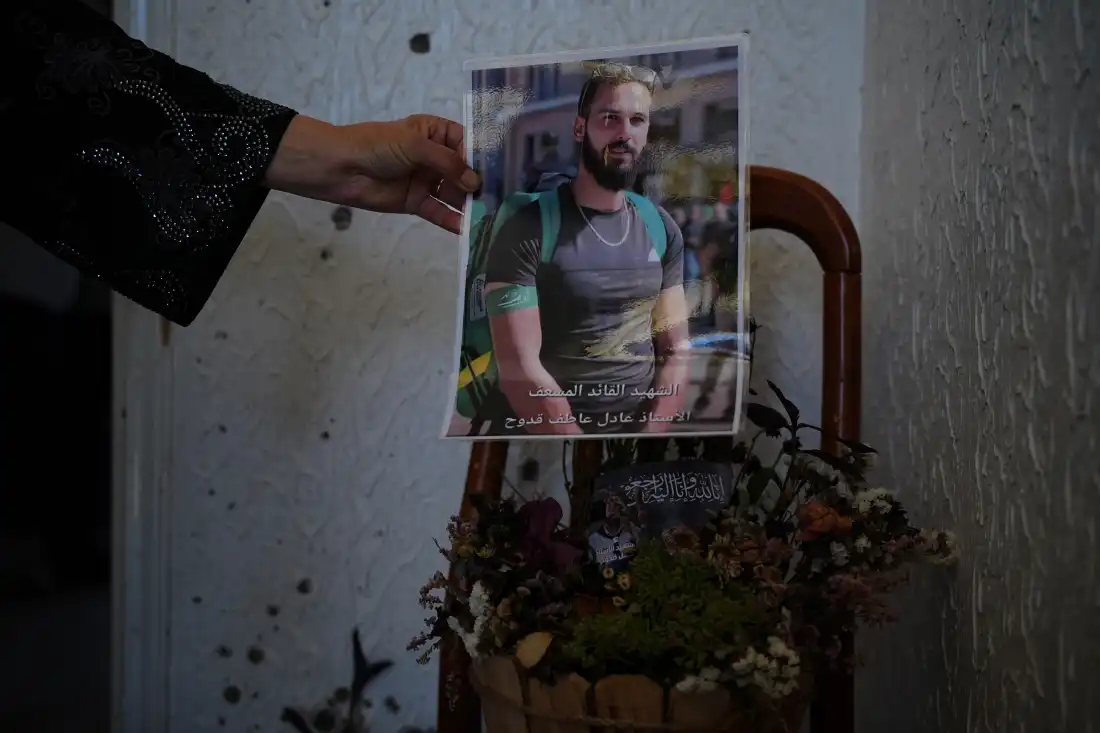
Adel was a sports teacher and basketball champion planning to pursue his doctorate in France. When war with Israel began, he volunteered as an ambulance driver to rescue wounded people and children.
Killed in a drone strike
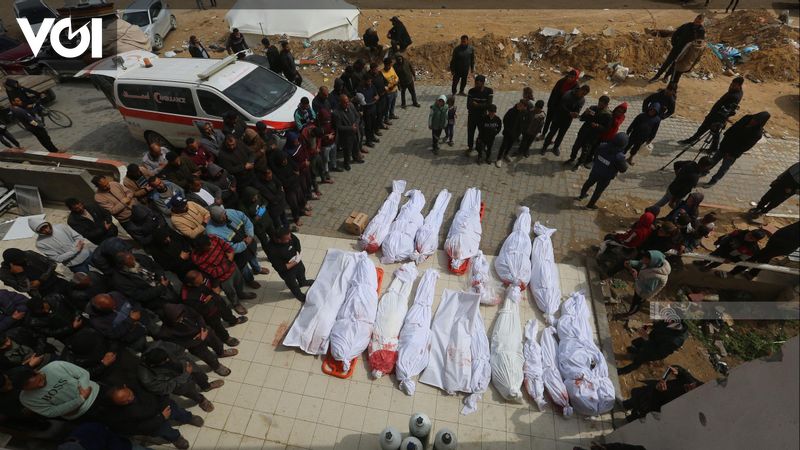
On March twenty-eighth, the Israeli military killed Adel and four other medics in a drone strike as first responders buried a seventy-five-year-old man who had died in hospital. Adel was twenty-seven years old.
A father's warning unheeded
Atef Kadouh warned his son that Israel could not be trusted not to kill medical personnel. Adel refused to listen, saying there were wounded children who needed rescue.
“Dad there are wounded children, we have to go rescue them”
Israel's response on the airstrike
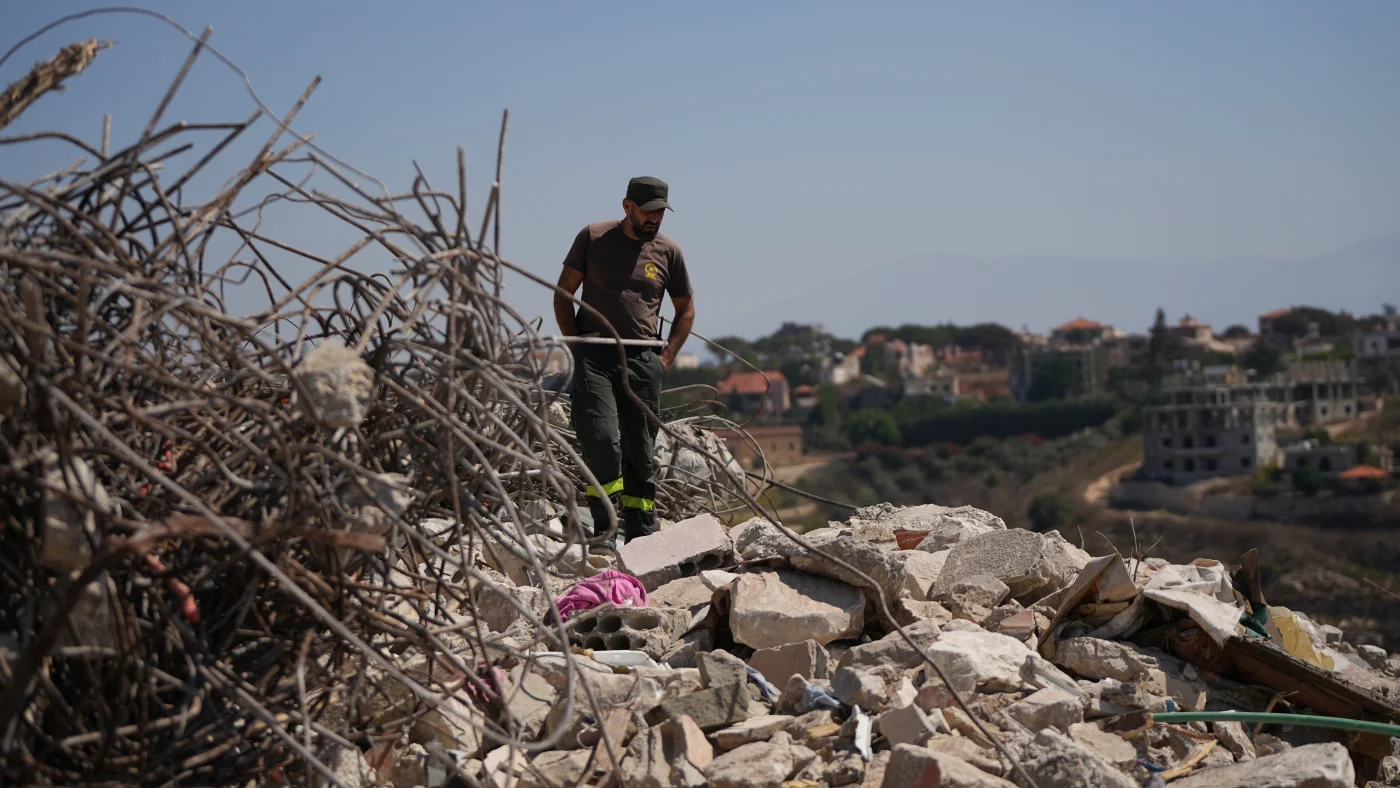
The Israeli military said, without providing proof, that militants routinely pose as paramedics and transport weapons in ambulances for Hezbollah and its allies.
A test case for withdrawal
The Kadouh family returned to the village in July when it became the first and only test of a U.S.-brokered plan for Israeli forces to withdraw and the Lebanese army to take over.
The house was occupied and burned
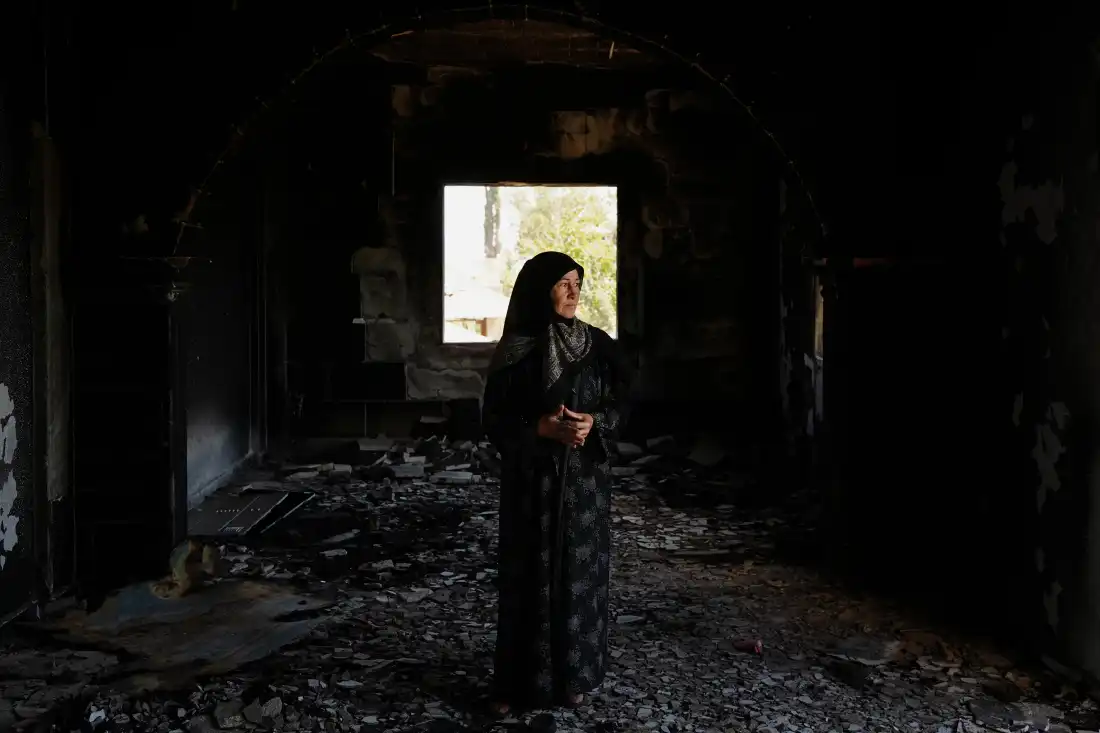
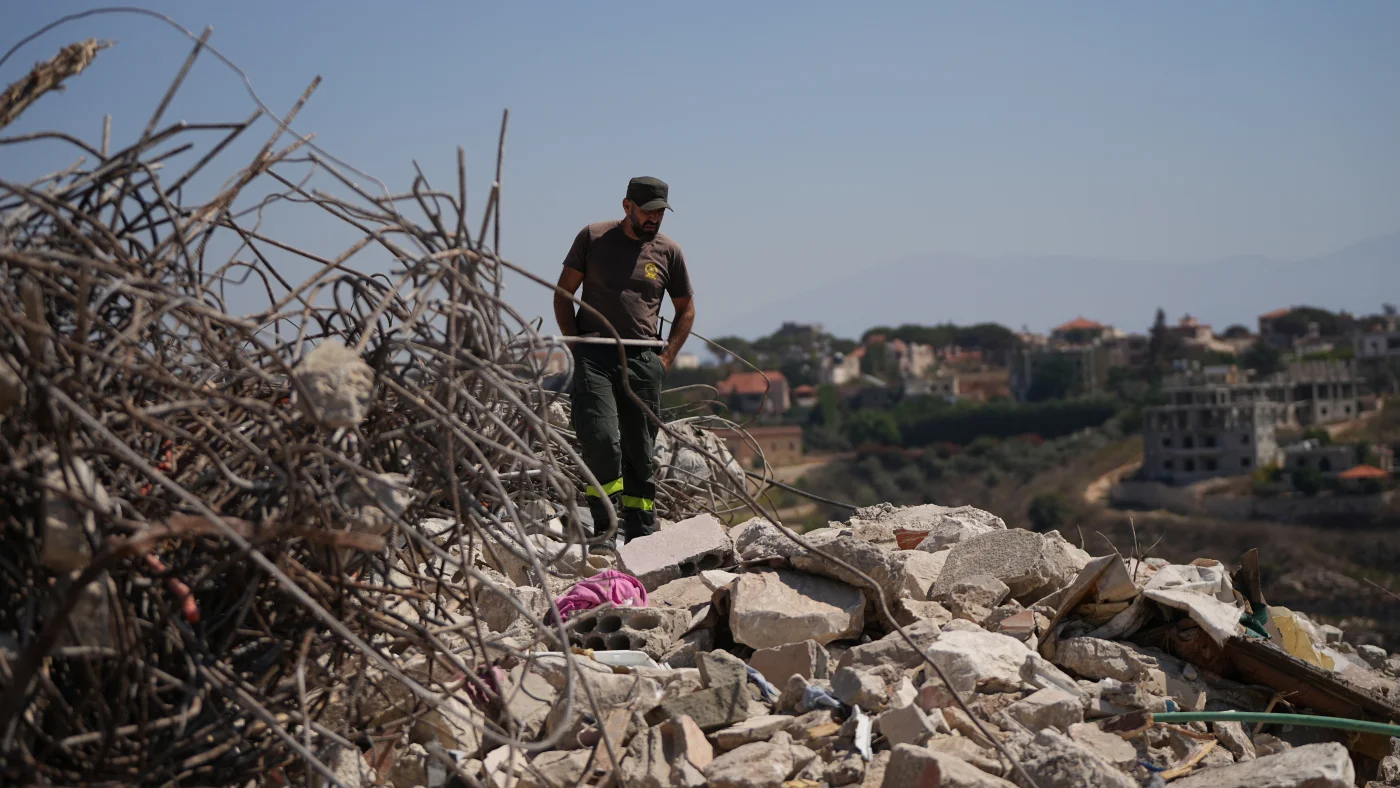
When Kadouh and Yaghi returned, they found Israeli soldiers had occupied their house and set it on fire.
Everything that could be broken
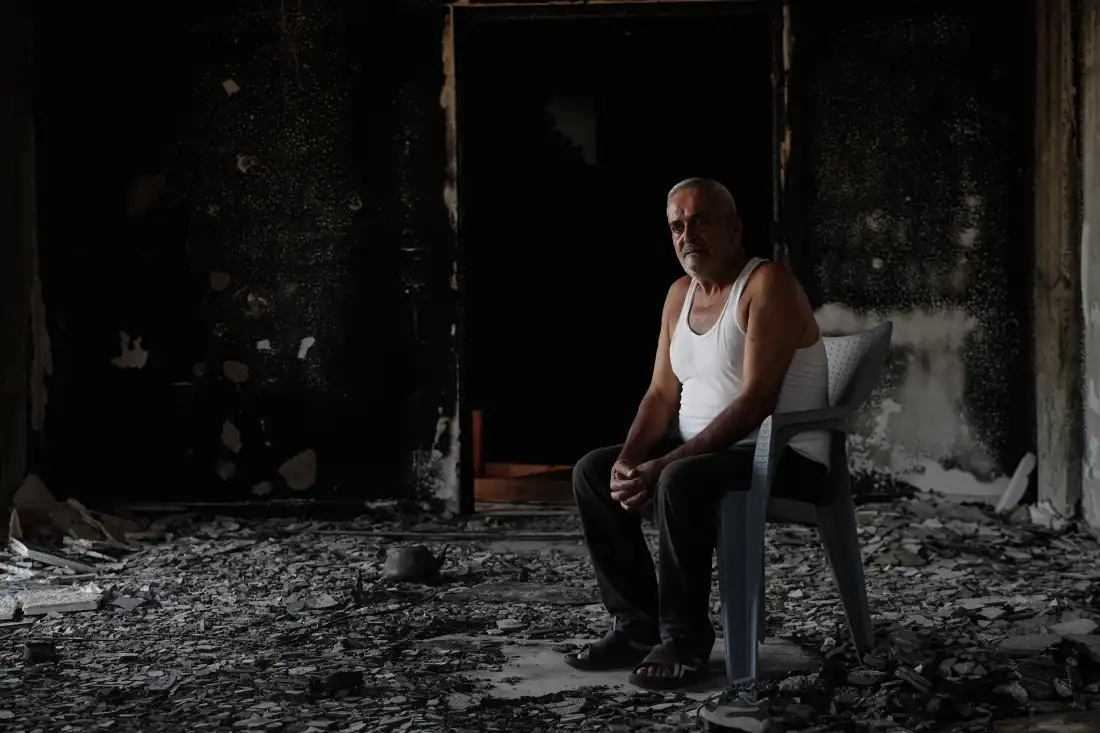
Almost everything in the house had been destroyed. Appliances had bullet holes. Furniture was pushed over the second floor balcony. In the kitchen, floor tiles were shattered and cupboards wrenched from walls.
“Everything that could be broken they broke”
Evidence of the occupation
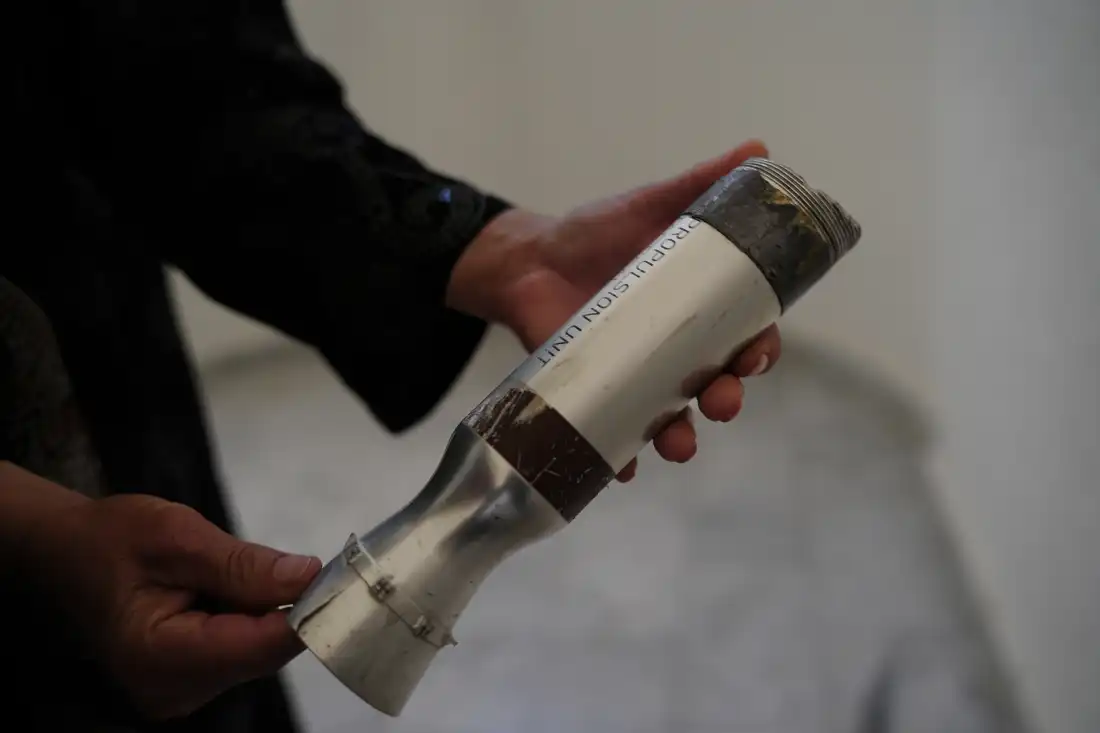
Blackened, burned food packets with Hebrew writing, rotting sandwiches, and a spent engine casing of a missile or drone with English markings reading propulsion unit tactical were found throughout the house.
No utilities, no safety
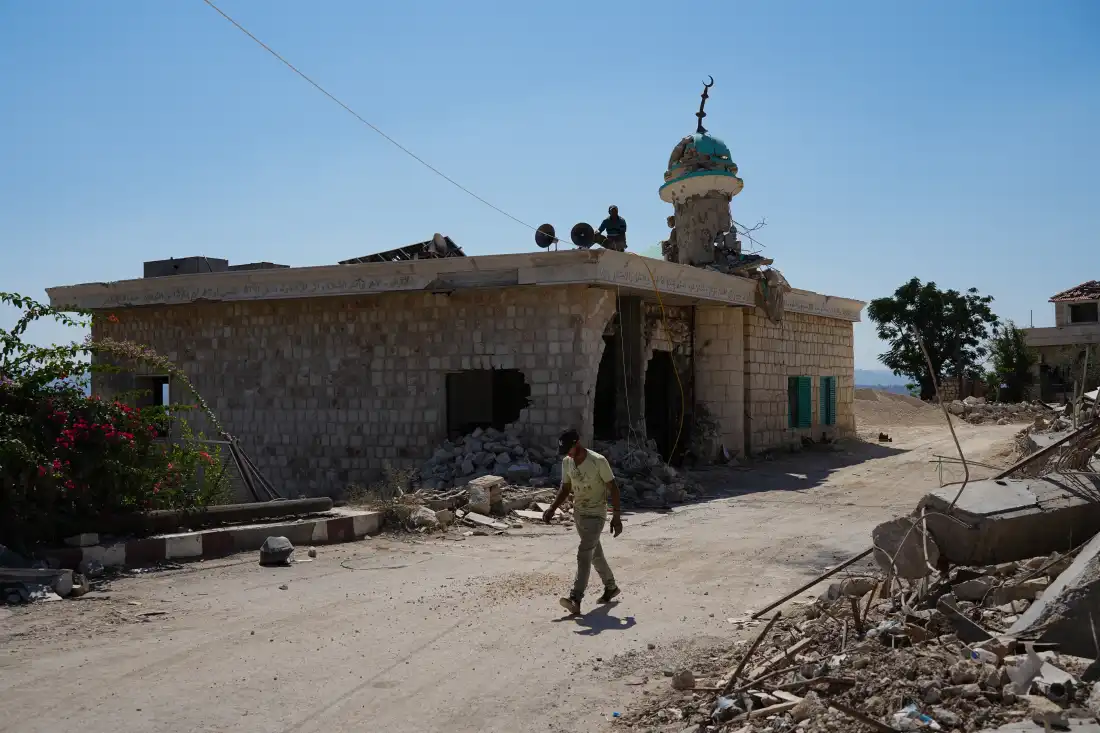
There is no running water or electricity.Kadouh says the Israeli military destroyed the solar panels.
The trees and the livelihood
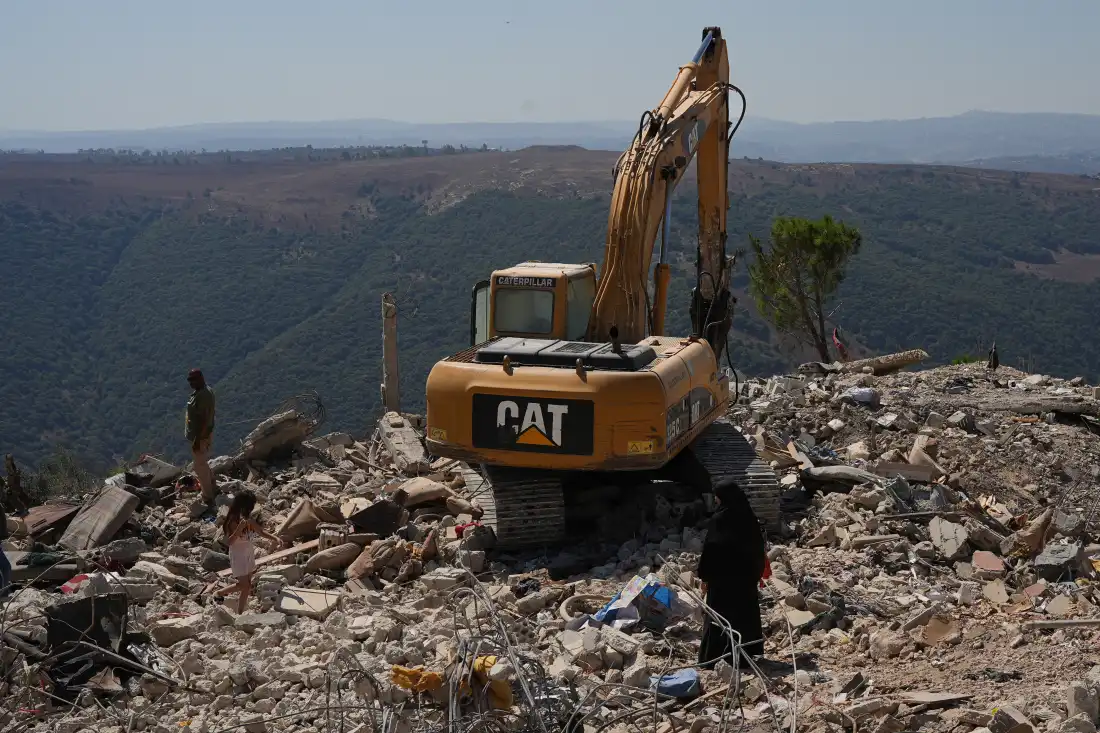
Yaghi says the Israeli army used a bulldozer to uproot the trees, including pine trees which yield one of their most prized cash crops: pine nuts. They also demolished the garage and destroyed the tractor.
Back to square one
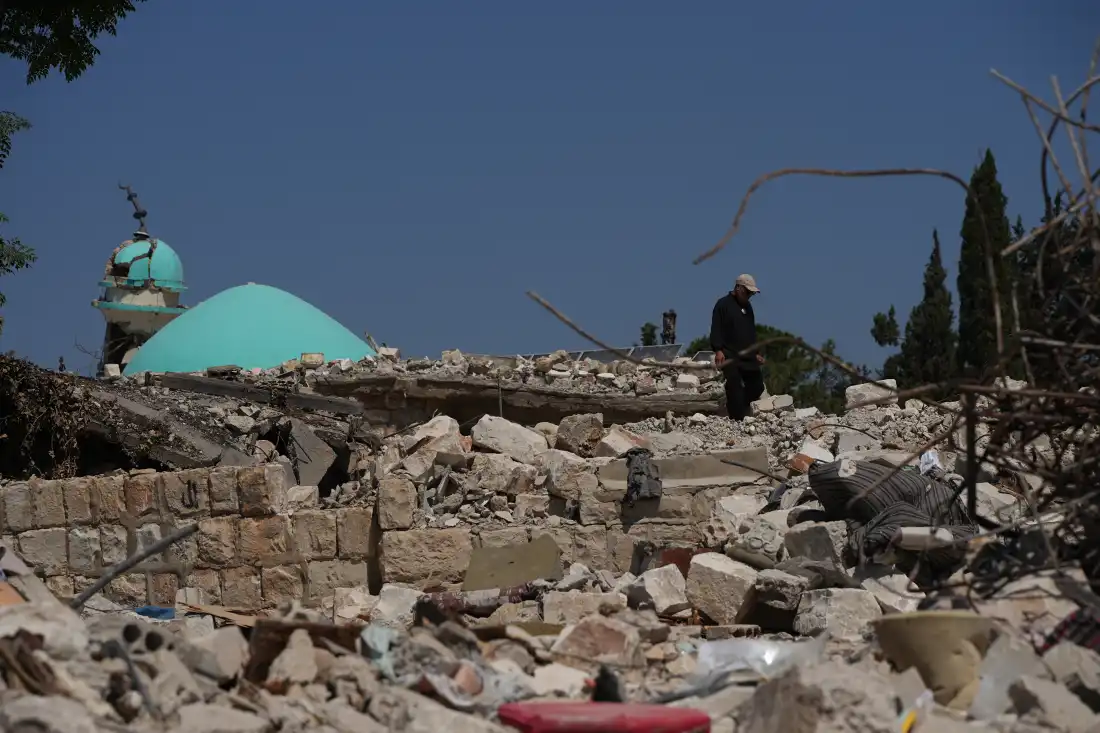
Kadouh says they are starting from scratch, even more precarious than when they started decades ago.
“We are back to square one. Starting from scratch.”
Abandoned by their own government
Villagers feel abandoned by the Lebanese state, Hezbollah and its allies.Kadouh says no one came to check on them and there are no essentials: no electricity, no water.
“Our homes were destroyed and no one came to check on us”
No peace in his lifetime
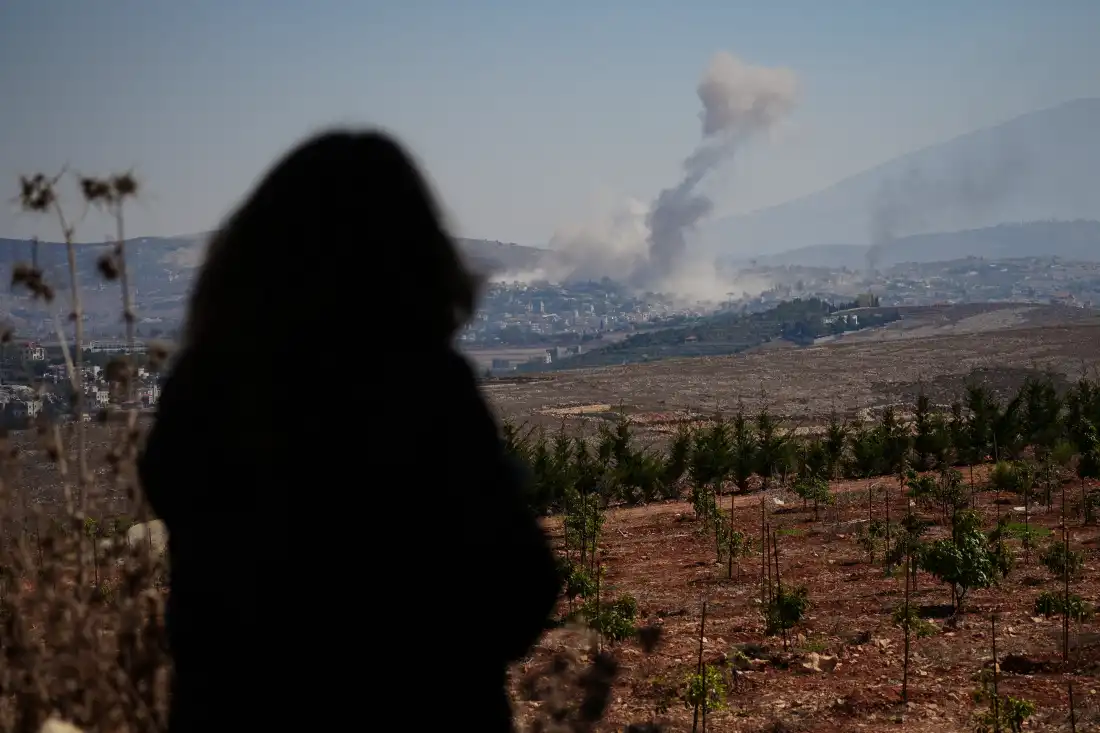
Kadouh says maybe someday there will be peace with Israel, but not in his lifetime and not with Israeli Prime Minister Benjamin Netanyahu.
“Netanyahu is the one who killed my son. Let him bring back my son.”
What to remember
Atef Kadouh and Soumaya Yaghi returned to their village in July after Israeli forces withdrew under a U.S.-brokered ceasefire, but found their home burned, their son killed in an airstrike, and their livelihood destroyed.
Read the TL;DR — this story on one card.