From NPR · · 3m
The new lines of southern Lebanon
War has redrawn southern Lebanon's borders, leaving peacekeepers, civilians and the future of the region in limbo.
In brief
War has redrawn southern Lebanon's borders, leaving peacekeepers, civilians and the future of the region in limbo. A ceasefire has created new boundaries in southern Lebanon that restrict civilian access to 6% of the country, reviving memories of past occupation while UNIFIL's 48-year mission ends. Originally reported…
A ceasefire redraws the map
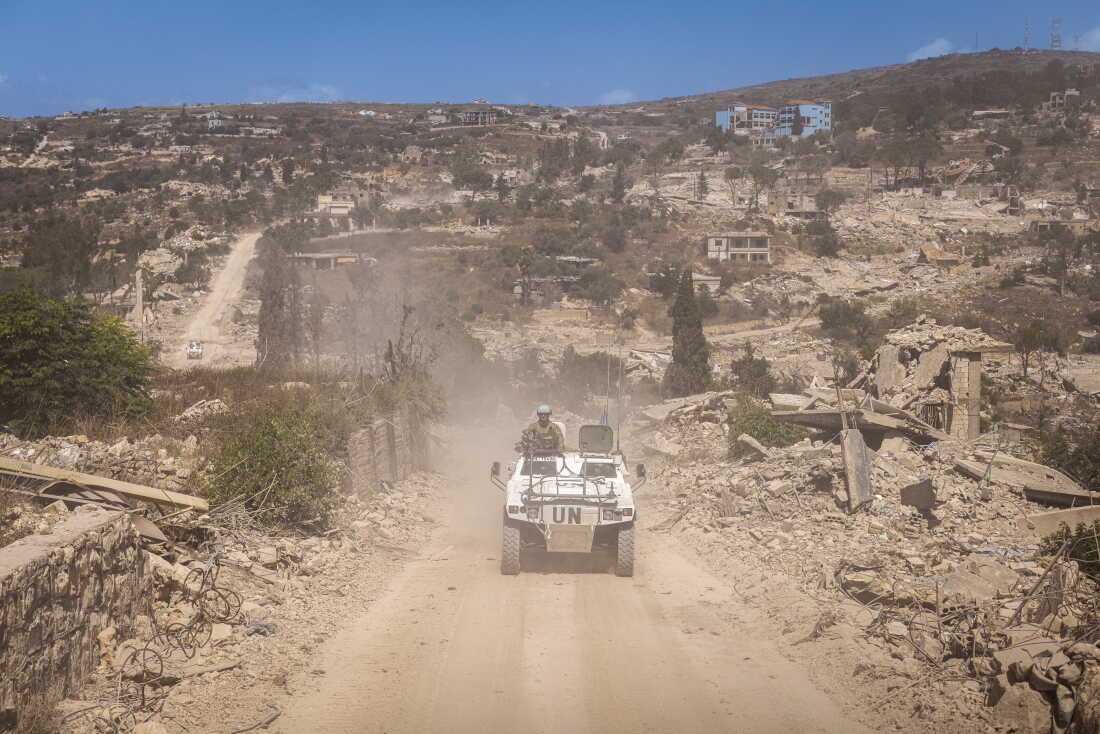
A U.S.-brokered ceasefire in June 2026 paused fighting between Israel and Hezbollah, but introduced new boundaries that restrict Lebanese civilians from 6% of their own territory.
The conflict's toll
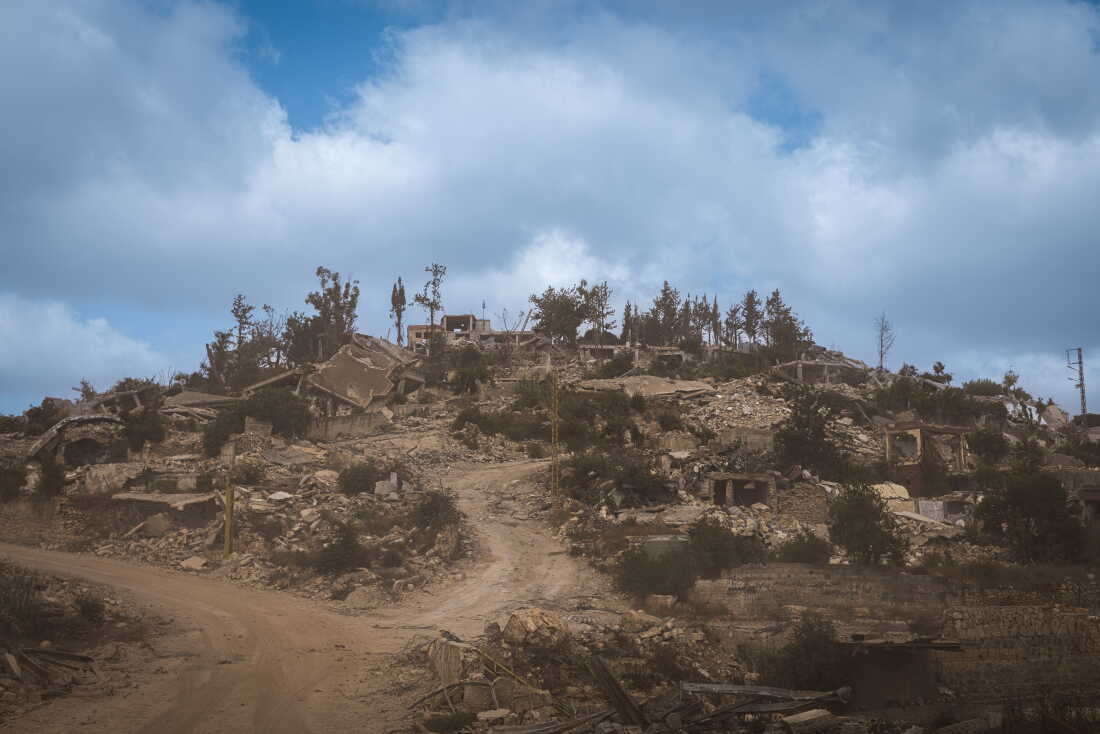
The Lebanese government reports over 4,300 deaths and 1.2 million displaced since fighting began in March 2026. Israel reports 39 soldiers, one military contractor, two civilians and seven U.N. peacekeepers killed.
UNIFIL's 48-year mission ends
The U.N. Interim Force in Lebanon, deployed since 1978 to monitor ceasefires, will lose its mandate at year's end due to U.S. and Israeli opposition at the Security Council.
The blue line fades
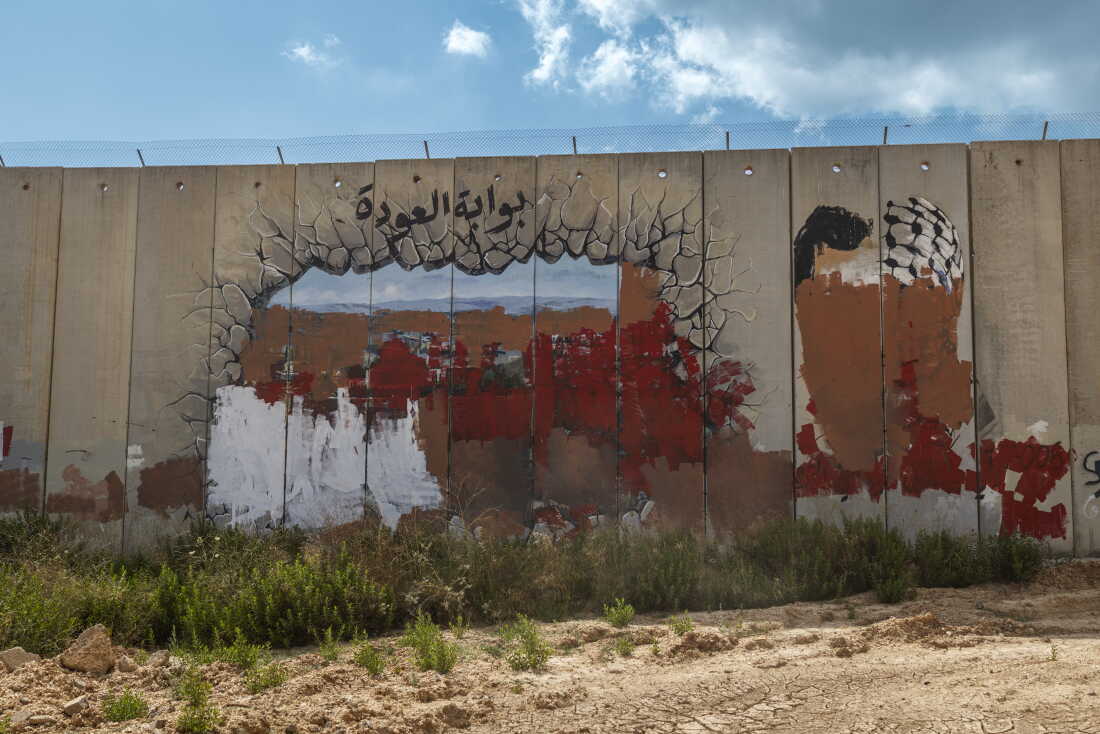
The blue line, drawn by the U.N. in 2000 after Israel's 18-year occupation, once marked the de facto border. Now it no longer describes the reality on the ground.
The yellow line emerges
Israel has established a five-mile-wide buffer zone marked by the yellow line, where Israeli forces remain and Lebanese civilians are barred from accessing their own land.
A landscape transformed
Roads reduced to tank tracks, homes demolished to rubble, Israeli flags flying over ruins. The physical scars of war mark every mile of the restricted zone.
Civilians cut off from work
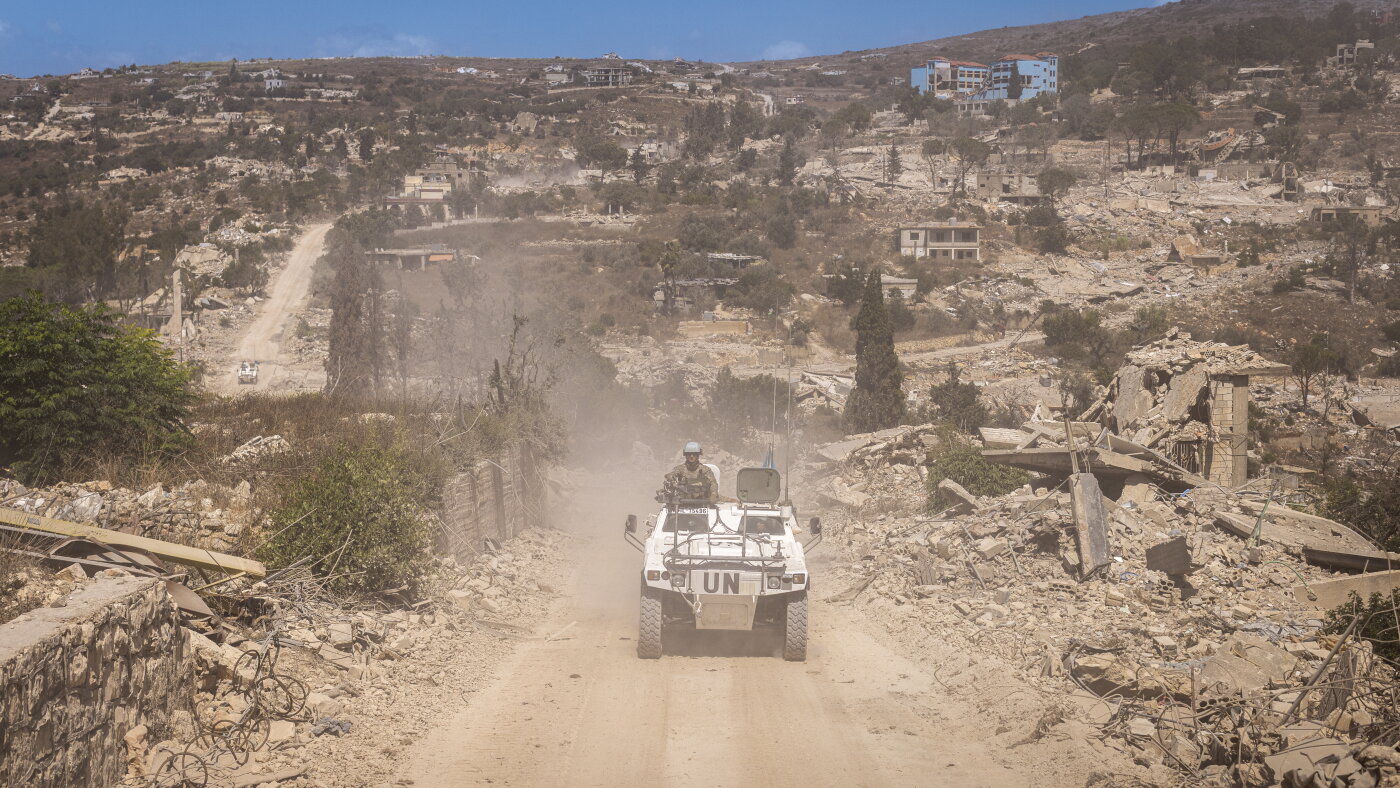
The yellow line separates families from farmland, communities from workplaces and homes from fields. Harvest season approaches but farmers cannot reach their crops.
“Agriculture remains the main source of income and an essential driver of local development. Farmers need to reach their fields and harvest their crops.”
Medical care becomes scarce
With access severely restricted and the main road to Nabatieh closed, residents lack adequate healthcare. UNIFIL has resumed medical clinics to fill the gap.
“There are no doctors here, and humanitarian assistance is insufficient. We are living like in a prison.”
Peacekeepers regain access
After months of restrictions, UNIFIL reopened its eastern sector following ceasefire negotiations, allowing peacekeepers to resume patrols and humanitarian work.
“Since the negotiations began, we have been able to reopen this sector and finally regain our freedom of movement following the ceasefire.”
Wildfires and accusations
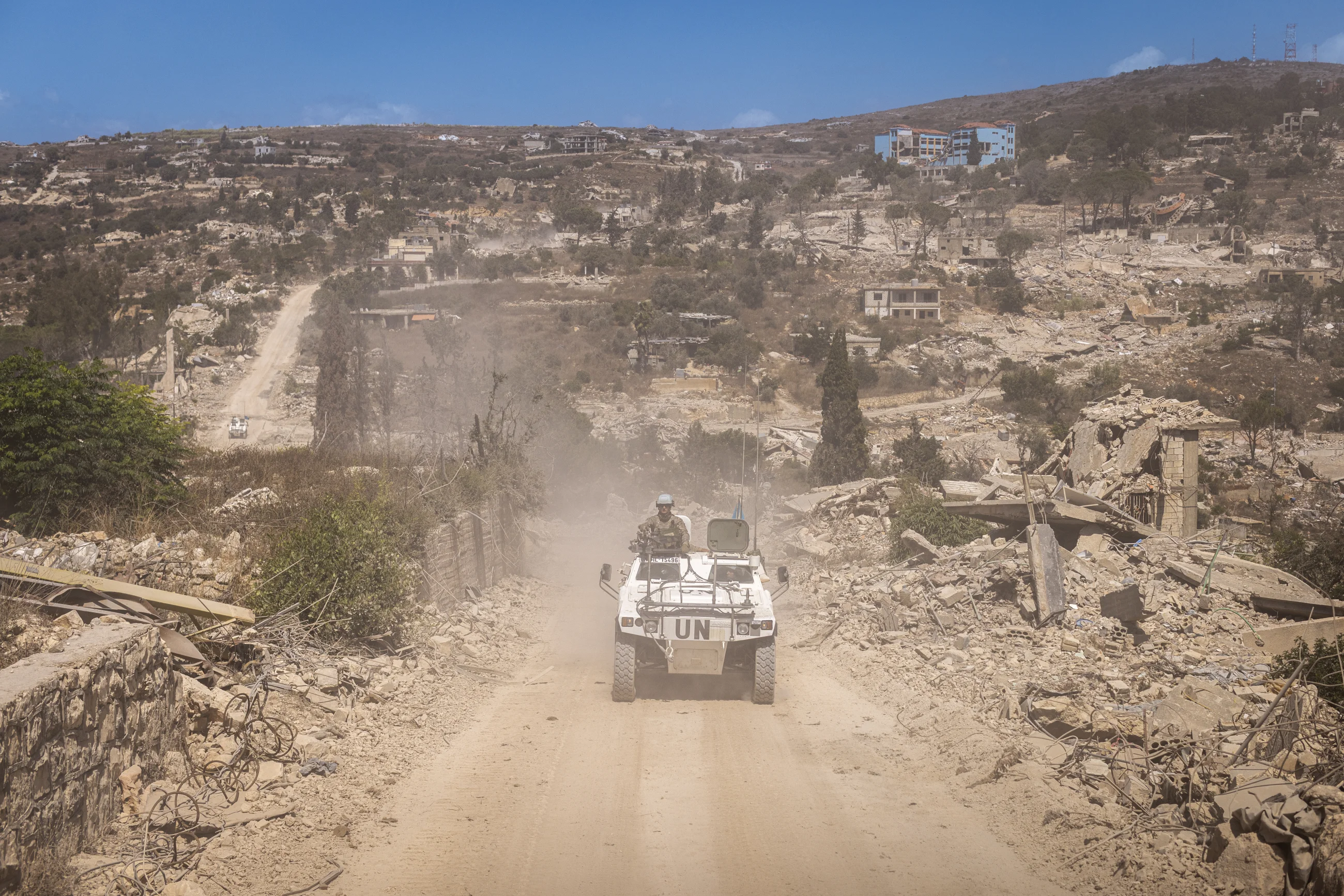
The Lebanese government accuses Israel of deliberately setting fires in forested and agricultural areas to prevent villagers from returning. Israel's military has refused to comment.
Pilot zones reshape control
A new system of pilot zones has emerged where Israeli and Hezbollah forces are meant to withdraw, with Lebanese armed forces replacing them to restore state authority.
Zawtar returns to ruins
Residents of Zawtar al-Gharbieh are slowly returning after Israeli forces withdrew in late July, finding homes destroyed and no electricity or running water.
Evidence of occupation
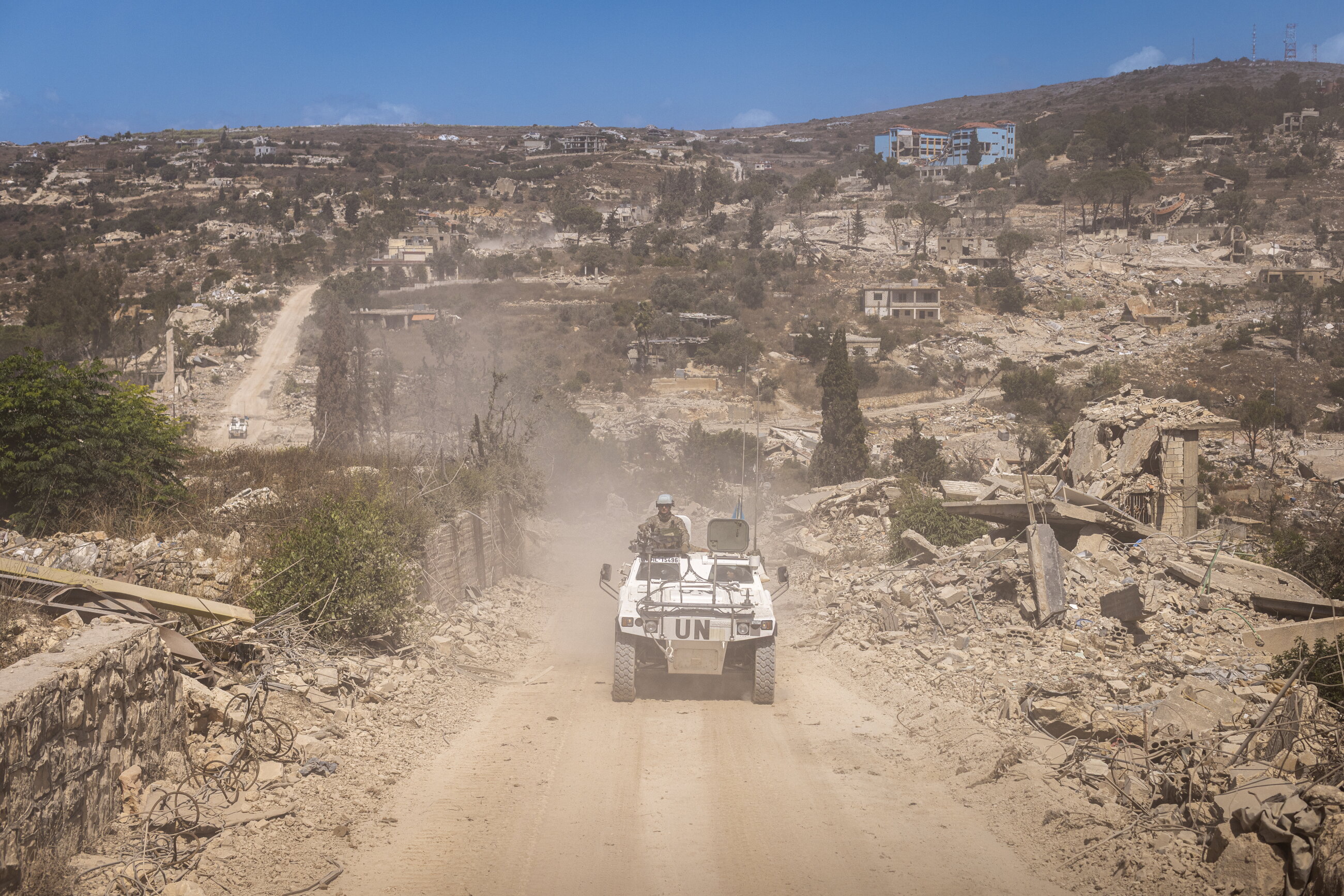
Inside homes, Israeli soldiers left behind cans, mattresses, crosses and drawings including Stars of David. Tank lines remain positioned behind houses.
Explosions continue nightly
Even as residents return, fighting persists nearby. Residents report constant explosions throughout the night, particularly from Ali al-Taher mountain where Israel battles Hezbollah.
“The explosions don't stop throughout the night. I can barely sleep.”
Humanitarian convoys bring hope
Catholic organizations coordinate food, medicine and supplies for isolated communities. Their presence carries symbolic weight, reminding residents they are not forgotten.
“When they see us, they know they are not alone.”
Caught between borders
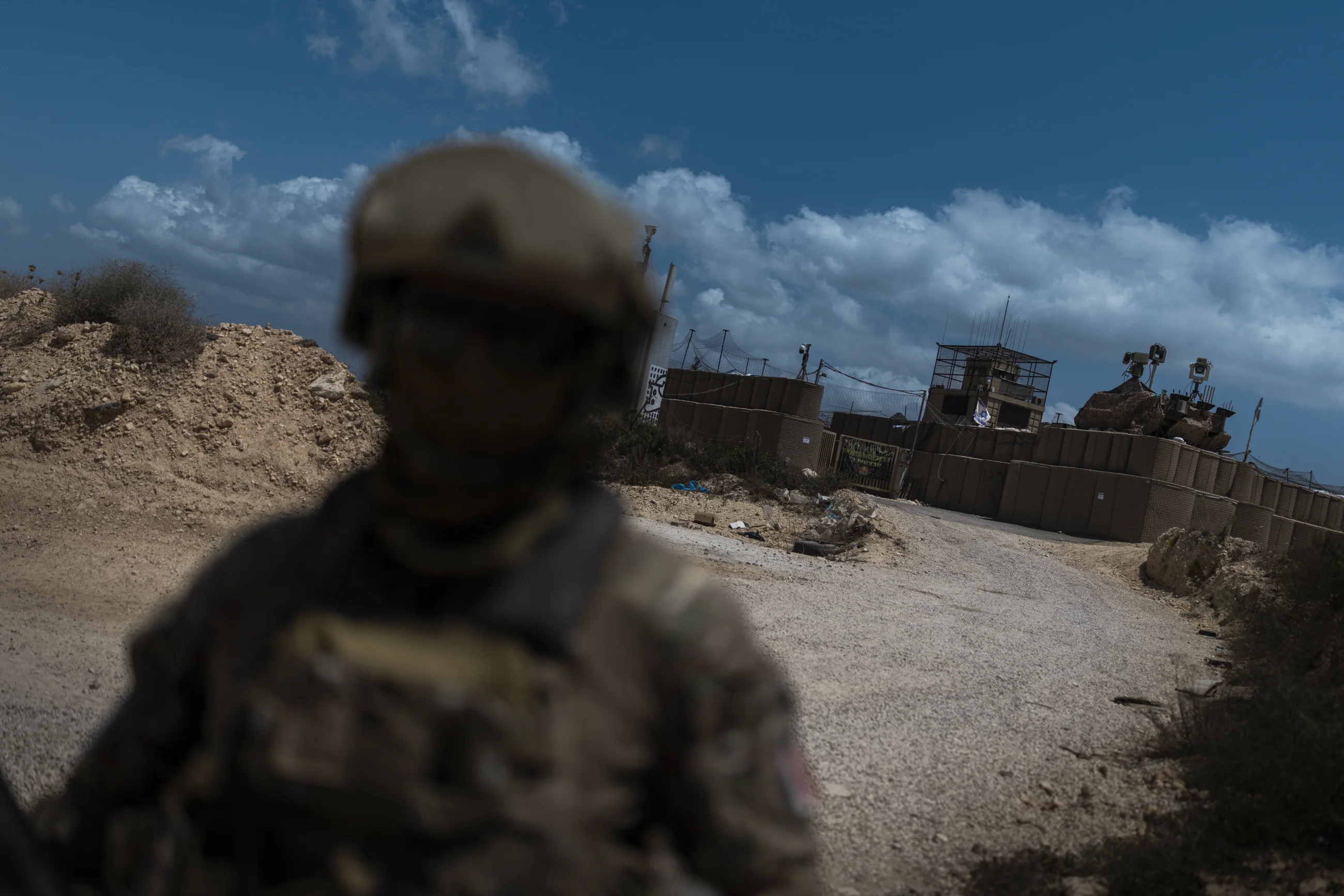
Thousands remain trapped between a border they do not control, limited state presence and an occupation with no clear end. Many live in isolation with restricted access to basic services.
“Many residents remain caught between a border they do not control, a limited state presence and an occupation with no clear end in sight.”
The map hasn't changed
The blue line remains where it was drawn, but on the ground a new geography has taken shape marked by drones, restricted zones, destroyed roads and daily airstrikes.
“The map may still show the same border. On the ground, everything has changed.”
What matters most
A ceasefire has created new boundaries in southern Lebanon that restrict civilian access to 6% of the country, reviving memories of past occupation while UNIFIL's 48-year mission ends.