From NPR · · 4m
Why California's billionaire tax lost
Prop 40 failed despite a blue wave. Two economists disagree on whether money or policy killed it.
In brief
Prop 40 failed despite a blue wave. Two economists disagree on whether money or policy killed it. California voters rejected Prop 40, a one-time five percent wealth tax on billionaires, despite Democratic gains elsewhere. Economists debate whether billionaire spending or voter skepticism of the policy itself caused…
Quick answers
- The puzzle: why no blue wave?
- Democrats won big in the midterms, but Prop 40 failed to ride that wave to victory. Economists Gabriel Zucman of UC Berkeley and Joshua Rauh of Stanford offer competing explanations for the defeat.
- What is the key takeaway from Why California's billionaire tax lost?
- California voters rejected Prop 40, a one-time five percent wealth tax on billionaires, despite Democratic gains elsewhere. Economists debate whether billionaire spending or voter skepticism of the policy itself caused the defeat.
California rejects billionaire tax
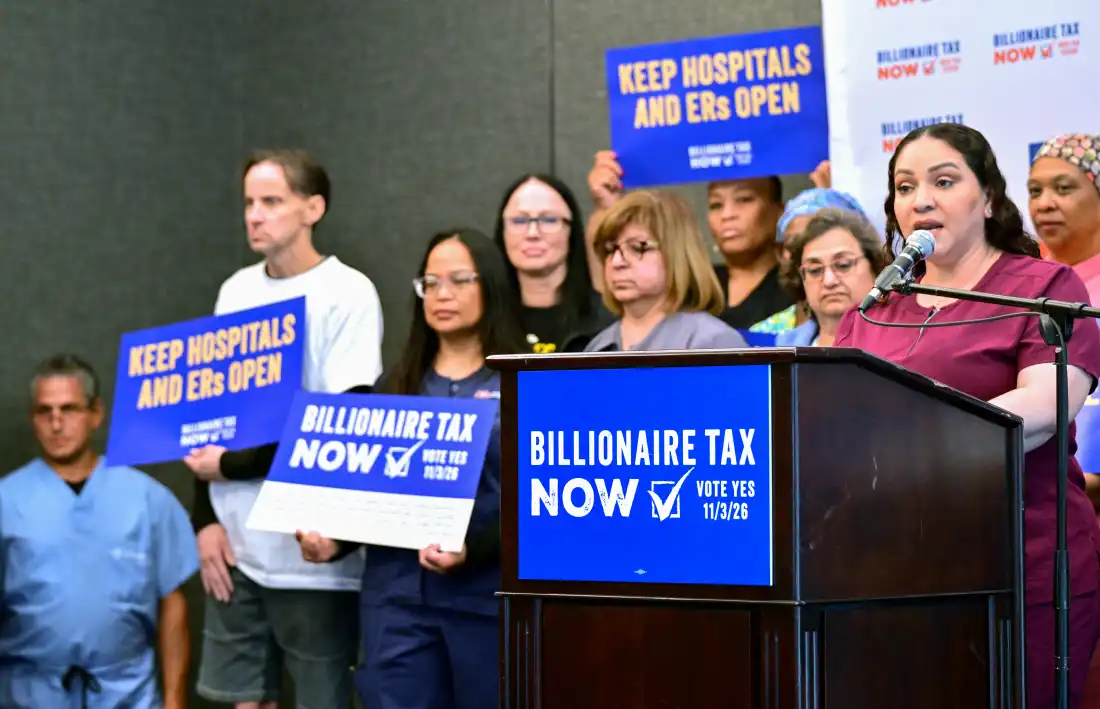
The Associated Press determined late Monday that California voters had rejected Prop 40, the proposed billionaire wealth tax. The initiative would have levied a one-time five percent tax on California billionaires.
The puzzle: why no blue wave?
Democrats won big in the midterms, but Prop 40 failed to ride that wave to victory. Economists Gabriel Zucman of UC Berkeley and Joshua Rauh of Stanford offer competing explanations for the defeat.
Zucman: money was critical
Opponents of Prop 40 spent almost four hundred million dollars fighting it, making it one of the most expensive ballot initiative fights in history. Zucman says the spending gap was decisive.
“The money spent by the billionaires was critical.”
Why money mattered more here
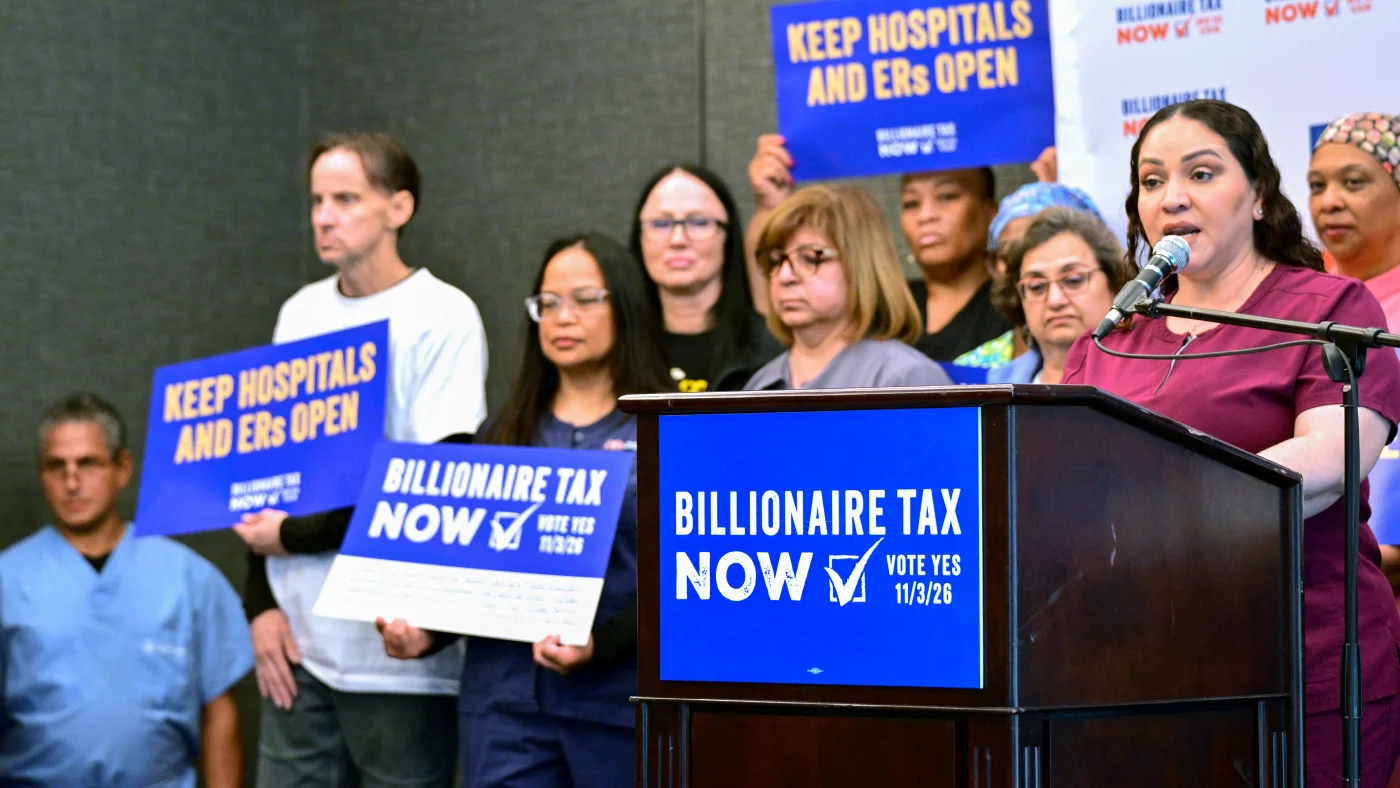
Billionaires spent more than three hundred million dollars on ads versus negligible sums on the other side.Voters saw only anti-tax arguments.In candidate races, voters have party labels as shortcuts; ballot initiatives lack that clear signal.
“The billionaires spent more than $300 million on ads versus negligible sums on the other side.”
Democrats split on the tax
Prominent Democrats, including California Governor Gavin Newsom, came out against Prop 40. Newsom said he favored a national minimum tax on billionaires instead, removing the clear partisan signal that usually helps voters decide.
Rauh: the policy itself failed
Joshua Rauh questions whether advertising explains Prop 40's poor showing. In progressive Bay Area counties, Kamala Harris won overwhelming support in the two thousand twenty-four presidential election while Prop 40 won much less.
Proximity to billionaires mattered

The counties with the largest defections from Harris to Prop 40 are ones whose residents are most likely to know a billionaire, work for one, or have watched one move to Texas or Florida.
“The counties with the largest defections are actually the ones whose residents are most likely to know a billionaire, to work for one, or to have watched one move to Texas or Florida.”
Voters not ready for wealth tax
Rauh concludes the electorate even in progressive California has shown it is not ready for a wealth tax.More moderate Democratic voters, especially in affluent areas, may simply dislike this novel way of taxing rich people.
“The electorate even in progressive California has shown that it isn't ready for a wealth tax.”
Democrats divided on wealth taxes
Wealth taxes have divided Democrats before.During the two thousand twenty presidential primary, Elizabeth Warren and Bernie Sanders championed them, but rivals like Senator Cory Booker and Michael Bloomberg opposed them.
The tax's design drew opposition
Prop 40 was a one-time tax that allocated ninety percent of revenue to health care and only ten percent to food assistance and education.
State-level tax had limits
Prop 40 would have taxed billionaires at the state level. Supporters of a national approach argue a wealth tax would be more effective at the federal level because it is harder to leave America than…
“Wealth is movable, and it shops for the state with the lowest taxes.”
Zucman: movement continues
Despite Prop 40's defeat, Gabriel Zucman believes the wealth tax movement is far from over. With the blue wave nationally, many newly elected Democratic senators have campaigned on curbing billionaire power and influence.
“With the blue wave nationally, the billionaire tax is going to be front and center in the new Congress.”
Trump presidency blocks progress
Joshua Rauh expects more wealth tax proposals in the coming Congress but sees little chance of one becoming law with President Trump in the White House.
Constitutional hurdle ahead
Even if wealth tax supporters win over voters, Rauh stresses they would encounter a big hurdle in the courts.
Legal scholars disagree on constitutionality
Legal scholars disagree over whether a direct tax rule would doom a federal wealth tax.The sixteenth Amendment exempted income taxes from the requirement, but that amendment does not mention wealth taxes.The debate will likely continue.
What to remember
California voters rejected Prop 40, a one-time five percent wealth tax on billionaires, despite Democratic gains elsewhere. Economists debate whether billionaire spending or voter skepticism of the policy itself caused the defeat.