From Newsweek · · 1m 30s
The lump rule your doctor was taught is wrong
An oncologist breaks down why the classic 'hard and painless' cancer lump is a myth, and which lump she never ignores.
In brief
An oncologist breaks down why the classic 'hard and painless' cancer lump is a myth, and which lump she never ignores. No lump feature is reassuring enough to skip a check. Anything new, growing, or above the left collarbone needs a professional look. Originally reported by Newsweek.
Not every lump is equal
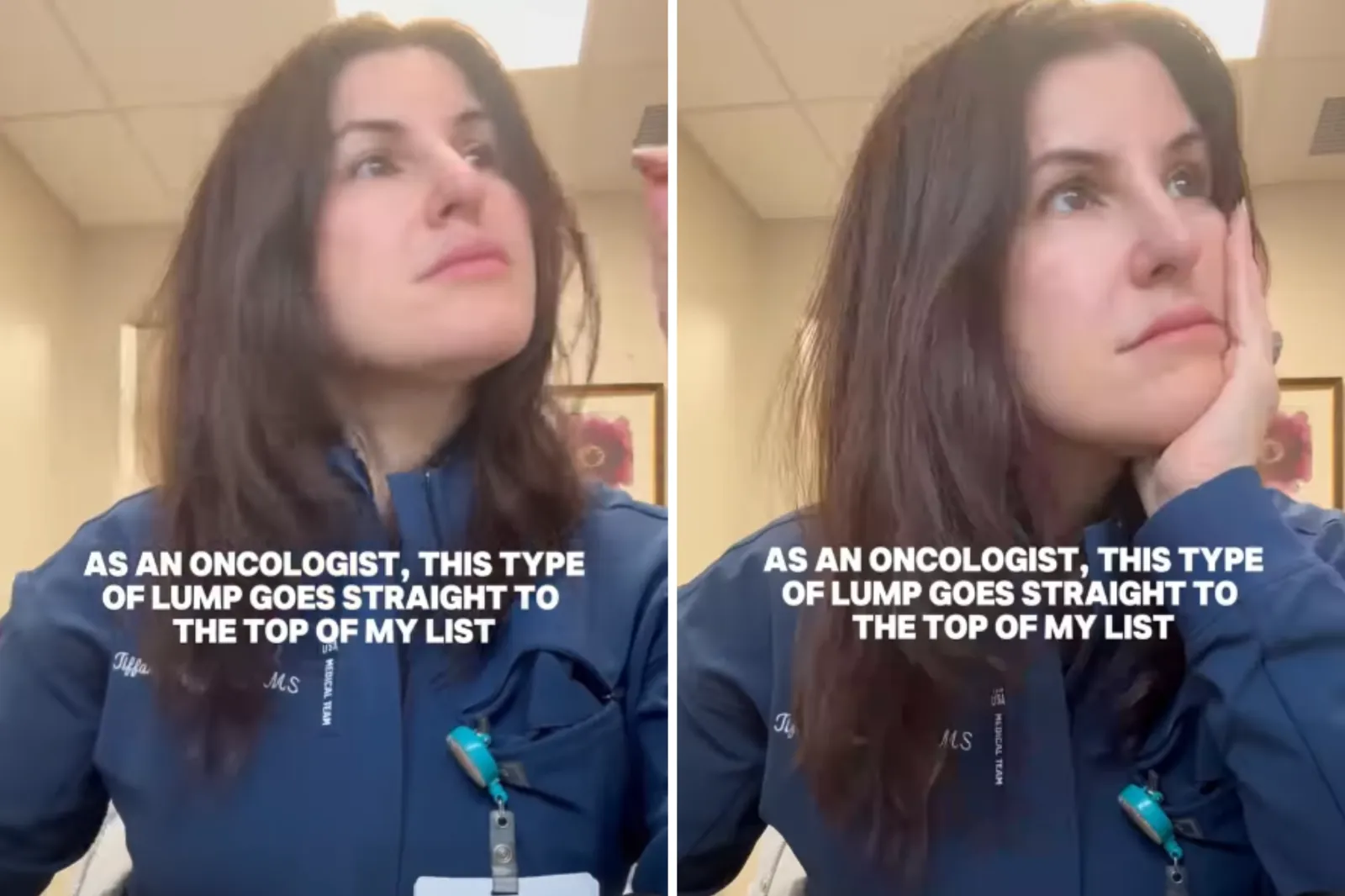
Dr. Tiffany Pompa flags five things that put a lump on her watchlist: soft texture, pain, how long it has been there, where it sits, and what else is going on.
Cancer skips the textbook
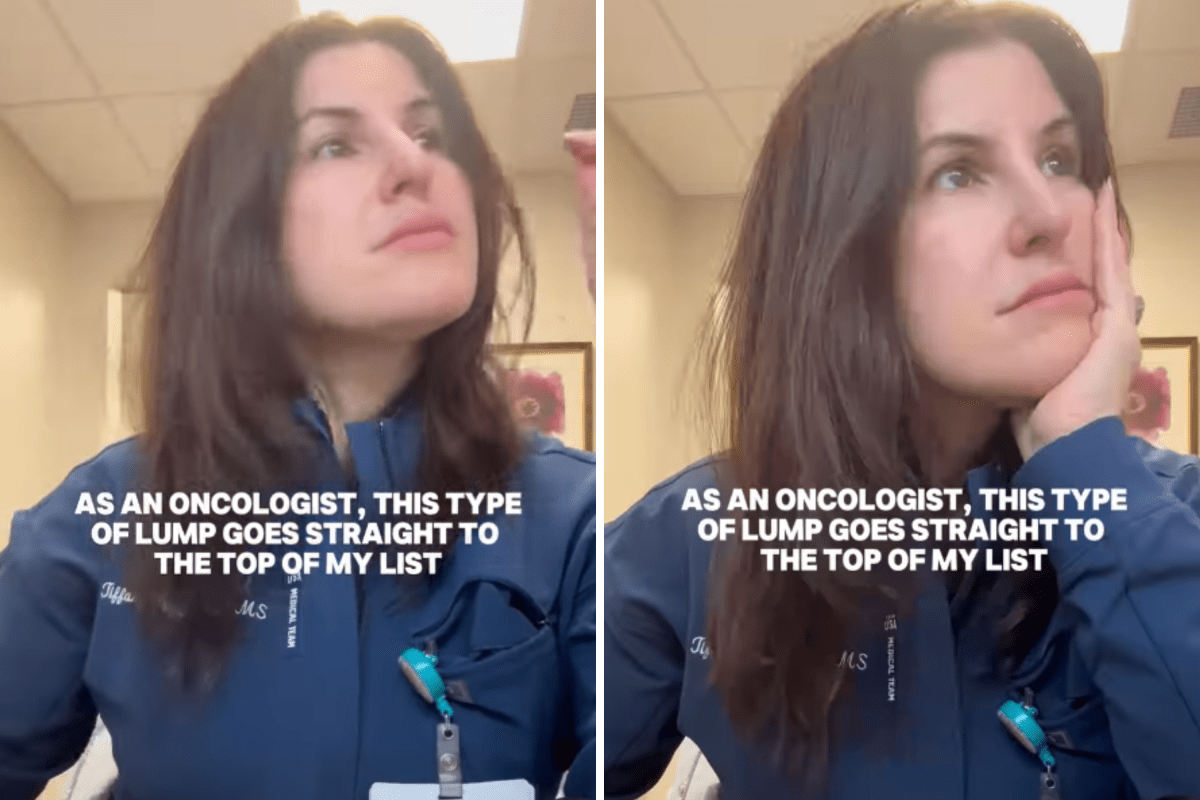
The hard, fixed, painless lump is what clinicians train on, but plenty of malignancies show up soft, mobile or tender instead.
“Cancer doesn't always follow the textbook pattern of a hard, fixed and painless lump.”
False reassurance delays diagnosis
When a lump fails to match the classic description, patients and doctors alike tend to wave it off. That dismissal, not ignorance, is what costs time.
“The danger of the 'hard and painless' misconception isn't a lack of awareness but a false reassurance.”
Watch the pattern, not the pain
Pain should never rule cancer out. Track whether the lump is growing, sticking around, or intensifying. A bump from an injury or bite that fully resolves is less worrying.
The left collarbone lump
A swelling just above the left collarbone, Virchow's node, sits where lymph drains from the chest and abdomen. It does not puff up from everyday infections the way neck or armpit nodes do.
Nearly half turn out malignant
A 2025 Diagnostics study of 348 patients found 49 percent of supraclavicular nodes were cancerous, most often lung cancer at 22 percent and lymphoma at 16 percent.
“do not wait for it to hurt or change to take it seriously”
What matters most
No lump feature is reassuring enough to skip a check. Anything new, growing, or above the left collarbone needs a professional look.