From Newsweek · · 2m
Why moon cities may never happen: the water problem
Scientists say lunar water reserves could support small settlements for centuries, but not cities of millions.
In brief
Scientists say lunar water reserves could support small settlements for centuries, but not cities of millions. The moon has enough water ice for villages of thousands, but not enough to sustain cities of millions beyond a century. Originally reported by Newsweek.
Water shortage threatens moon cities
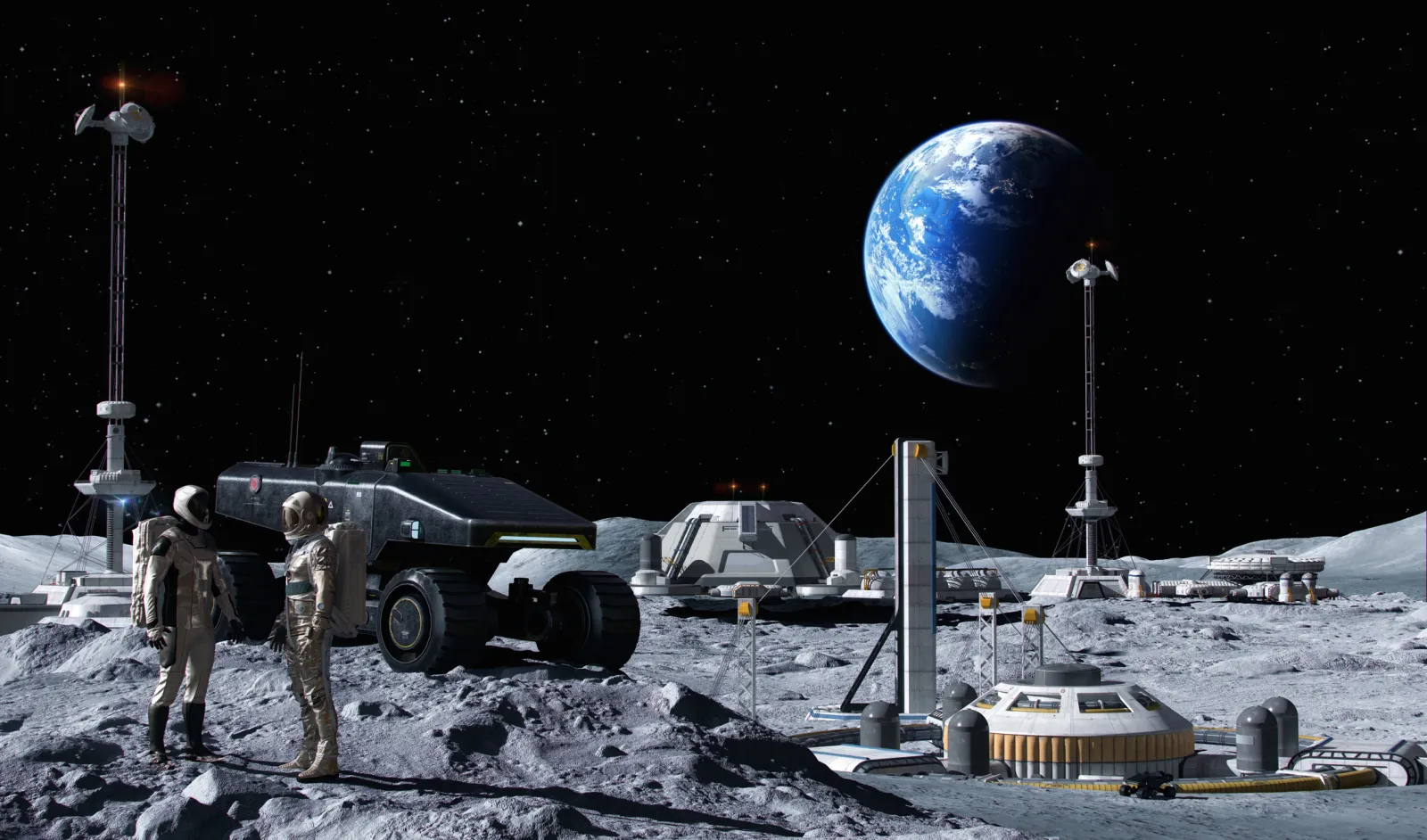
A new study finds that while lunar water ice could support small settlements for centuries, there's not enough to sustain cities of hundreds of thousands long term.
NASA plans moon presence by 2032
NASA unveiled its phased strategy for establishing sustained human presence on the moon. Water trapped in permanently shadowed polar craters has fueled hopes for lunar bases.
Water is the first viable resource
Developing water ice is probably one of the very first economically viable uses of moon resources, according to space resources expert George Sowers.
“developing water ice is probably one of the very first economically viable uses of moon resources.”
Power isn't the problem
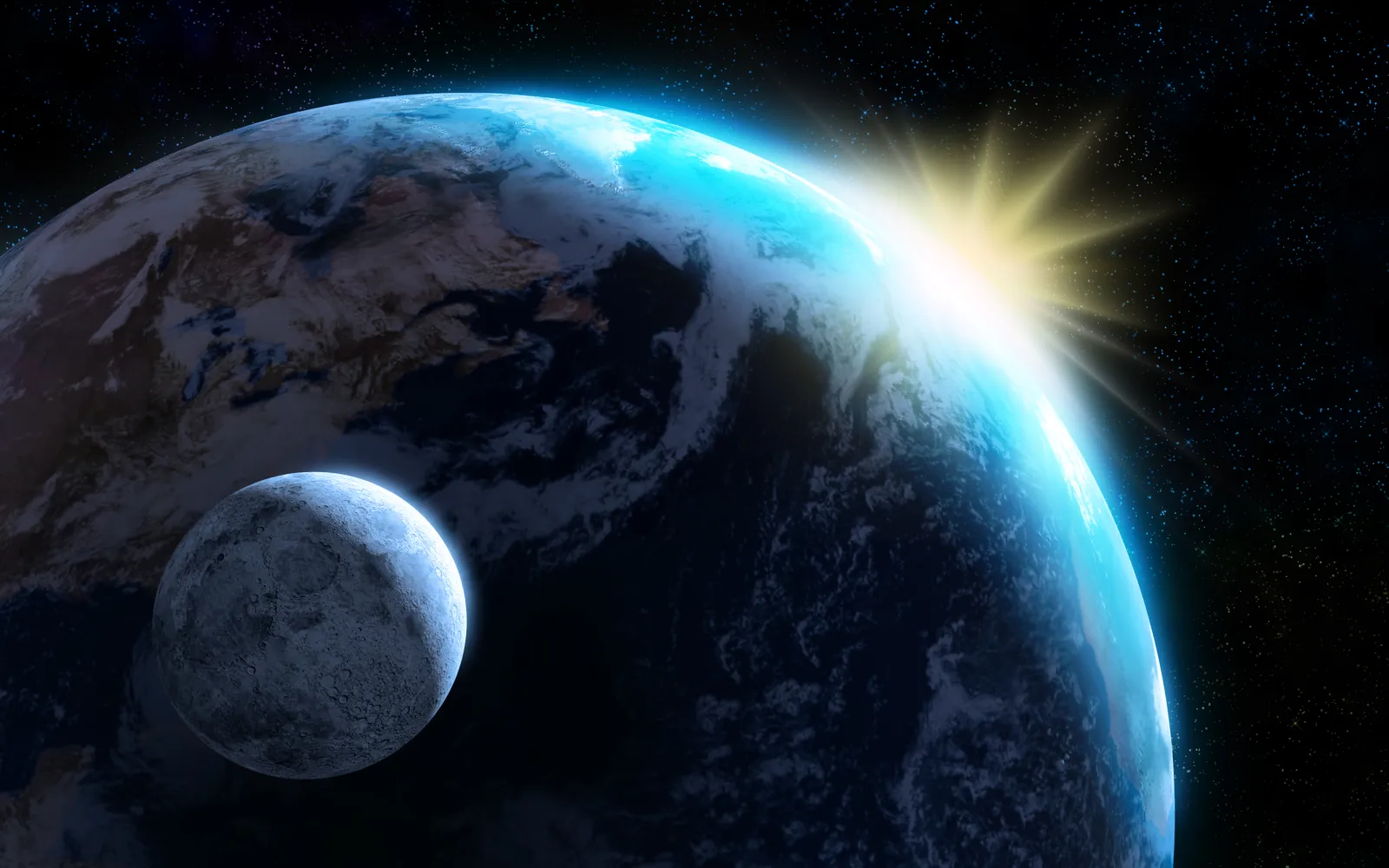
Polar crater rims receive nearly constant sunlight. Kilometer-high towers with solar arrays could generate three gigawatts, even powering AI data centers.
“This could even make AI data centers on the Moon possible”
One billion tons isn't enough
Even a generous estimate of one billion tons of water would only sustain a city of one million people for about a century using current ISS recycling technology.
Water becomes rocket fuel
Lunar water ice can be split into hydrogen and oxygen through electrolysis and used as rocket fuel, making it the moon's most valuable early resource.
Actual estimates are far worse
Today's best estimates suggest the moon contains about 30 times less water than one billion tons. Even a small city could exhaust resources within roughly a decade.
Villages work, cities don't
A village of 1,000 people or town of 10,000 could remain sustainable for centuries. Populations approaching 100,000 face critical water management issues.
Moon buildings will go underground
Extreme radiation, temperature swings, and micrometeorite impacts mean lunar civilization will most likely be subterranean, built around lava tubes.
“a civilization on the moon will most likely be subterranean”
Future looks like industrial campuses
Over the next century, experts envision multi-level subsurface settlements with housing, food production, labs, and manufacturing facilities centered around power and resources.
Here's the gist
The moon has enough water ice for villages of thousands, but not enough to sustain cities of millions beyond a century.

.jpg)