From PolitiFact · Grace Abels · · 3m
Methylene blue: textile dye or brain booster?
A synthetic dye with real medical uses is being sold online as an anti-aging supplement with little evidence it works and serious risks if taken without a doctor.
In brief
A synthetic dye with real medical uses is being sold online as an anti-aging supplement with little evidence it works and serious risks if taken without a doctor. Methylene blue, a textile dye with approved medical uses, is being promoted as a wellness supplement for brain health and anti-aging despite sparse human…
A dye with many uses
Methylene blue is a synthetic textile dye created in 1876. Medical researchers began using it to stain microorganisms and in 1891 discovered it could treat malaria.
What doctors use it for today
The only FDA approved use for methylene blue is to treat methemoglobinemia, a rare blood condition that restricts blood cells from delivering oxygen. Doctors also use it off-label for other conditions.
Off-label medical uses
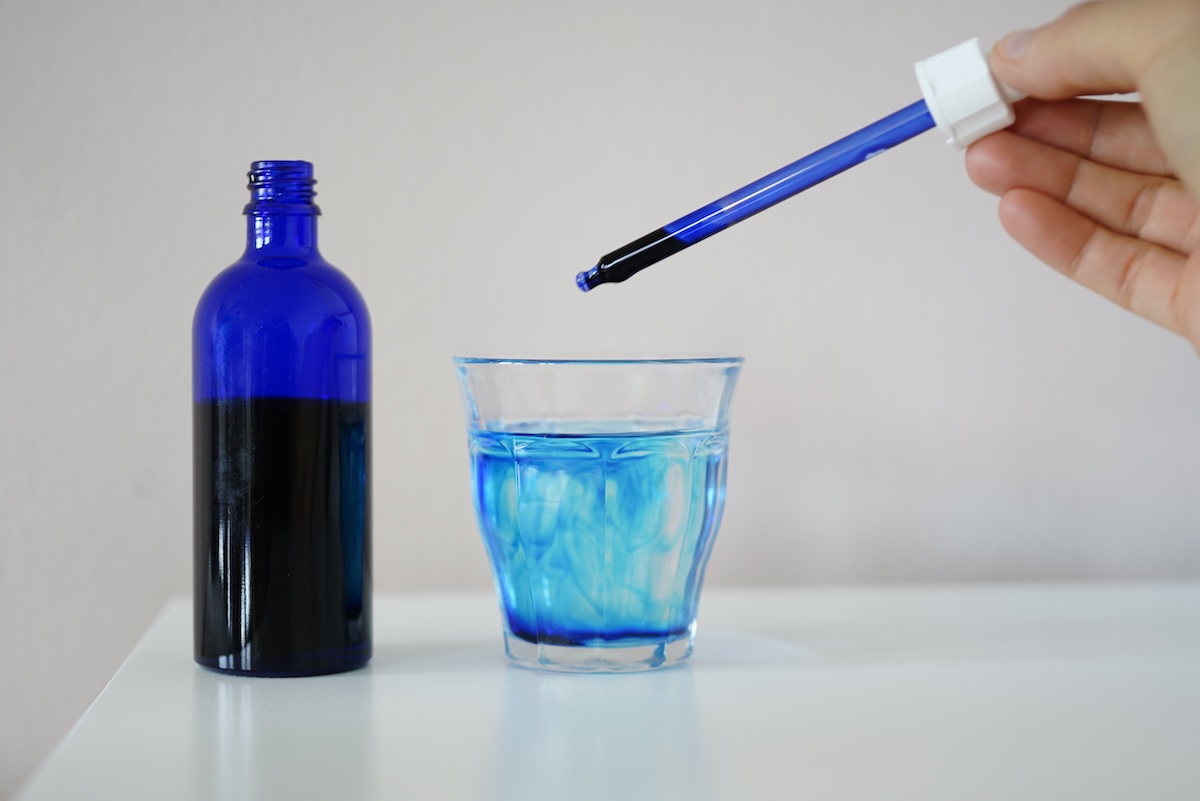
Doctors sometimes use methylene blue off-label to treat vasodilatory shock, neurotoxicity from the chemotherapy drug ifosfamide or to enhance light-therapy for skin conditions or cancers. It is also used in diagnostics.
The wellness influencer pitch
On TikTok, people claim methylene blue boosts energy and sharpens thinking. Purported benefits include improved cognitive function, slowed aging, Alzheimer's prevention and cancer prevention.
Lab studies show promise
Some research shows methylene blue offers cellular benefits by assisting mitochondria, the cell's energy powerhouse. It is unclear how those benefits apply to humans.
Human evidence is sparse
Most supportive evidence comes from laboratory or animal studies. One study in humans found that methylene blue reduced, rather than increased, blood flow and oxygen metabolism in the brain.
What experts say about cognition
Raphael E. Cuomo, University of California San Diego professor of medicine, said methylene blue has potential to support cellular energy production. Small studies in healthy adults have explored memory but lasting cognitive benefits remain unproven.
“Small studies in healthy adults have explored memory and brain activity, but lasting cognitive benefits remain unproven.”
Claims go beyond the evidence
A study of twenty-six people found one dose of methylene blue improved accuracy on a memory retrieval task. Laboratory studies show it may affect certain proteins tied to Alzheimer's but research is still needed.
Dangerous drug interactions
Methylene blue can dangerously interact with common anti-depressants that increase serotonin levels. When taken together it can cause serotonin syndrome, a medical emergency in which the body gets overloaded with serotonin.
Risk for people with G6PD
Methylene blue is dangerous for people with glucose-6-phosphate dehydrogenase deficiency, a common genetic disorder that can have no symptoms. It can cause hemolytic anemia, a life-threatening condition.
Other serious risks
Methylene blue should not be taken while pregnant. People taking it may want to avoid foods rich in tyramine including red wine, beer and aged cheeses and meats or risk uncontrolled high blood pressure.
Quality and purity problems
Unlike prescribed medication, methylene blue purchased online may vary in dosage, purity and contain unknown ingredients. It is easy to buy the wrong version sold as aquarium treatment or dye.
Expert recommendation
Dr. Mazie Tsang, a hematologist at the Mayo Clinic, said methylene blue should be monitored in a medical setting. Without medical supervision people could be exposed to life-threatening events.
“If taken without medical supervision, people could be exposed to life-threatening events. The harms outweigh any potential benefits.”
The bottom line
Raphael E. Cuomo said given the unproven benefits and established risks, he would not recommend routine use as a wellness supplement. Methylene blue should only be used under medical supervision.
“Given the unproven benefits and established risks, I would not recommend routine use as a wellness supplement.”
The big picture
Methylene blue, a textile dye with approved medical uses, is being promoted as a wellness supplement for brain health and anti-aging despite sparse human evidence and dangerous drug interactions.