From RNZ · RNZ | Te Reo Irirangi o Aotearoa · · 1m 50s
MMP Explainer: How New Zealand's Electoral System Works
New Zealand's mixed member proportional system explains how voters choose both local reps and party seats in Parliament.
In brief
New Zealand's mixed member proportional system explains how voters choose both local reps and party seats in Parliament. New Zealand uses MMP to elect 120 parliamentary seats with 72 electorate and 48 list seats, ensuring party vote proportions match seat distribution. Originally reported by RNZ.
Quick answers
- What is MMP?
- MMP stands for Mixed Member Proportional representation, the electoral system used in New Zealand.
- What is the key takeaway from MMP Explainer: How New Zealand's Electoral System Works?
- New Zealand uses MMP to elect 120 parliamentary seats with 72 electorate and 48 list seats, ensuring party vote proportions match seat distribution.
What is MMP?

MMP stands for Mixed Member Proportional representation, the electoral system used in New Zealand.
How MMP was adopted
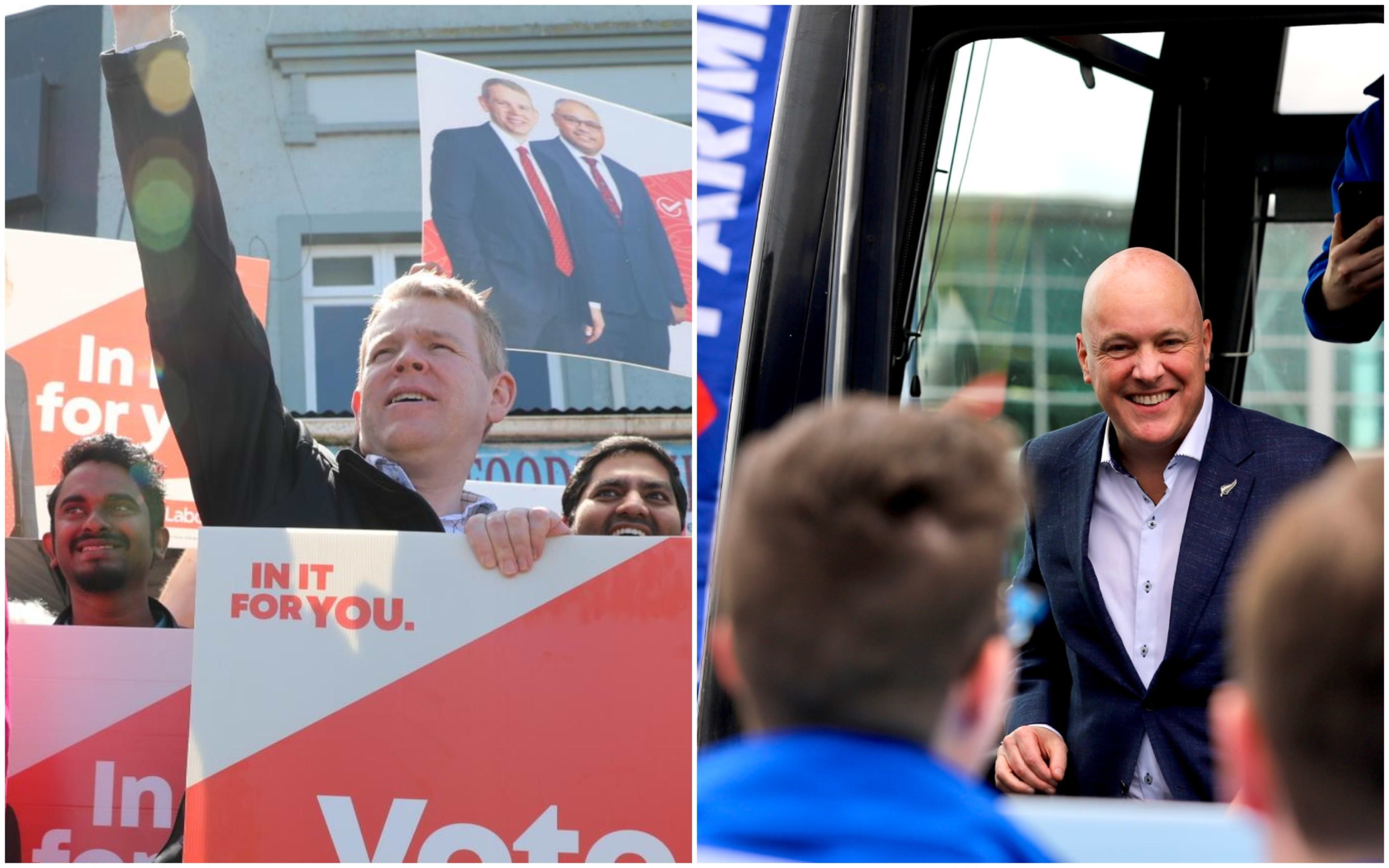
A majority of new zealanders voted for it twice: first in a non-binding referendum in 1992 and again in a binding referendum at the election the following year.
Voting process
New zealanders have two votes: one for a local representative and one for a political party.
Seat allocation
There are 120 seats: 72 electorate seats won by candidates in specific areas and 48 list seats allocated based on party vote proportions.
Overhang rule
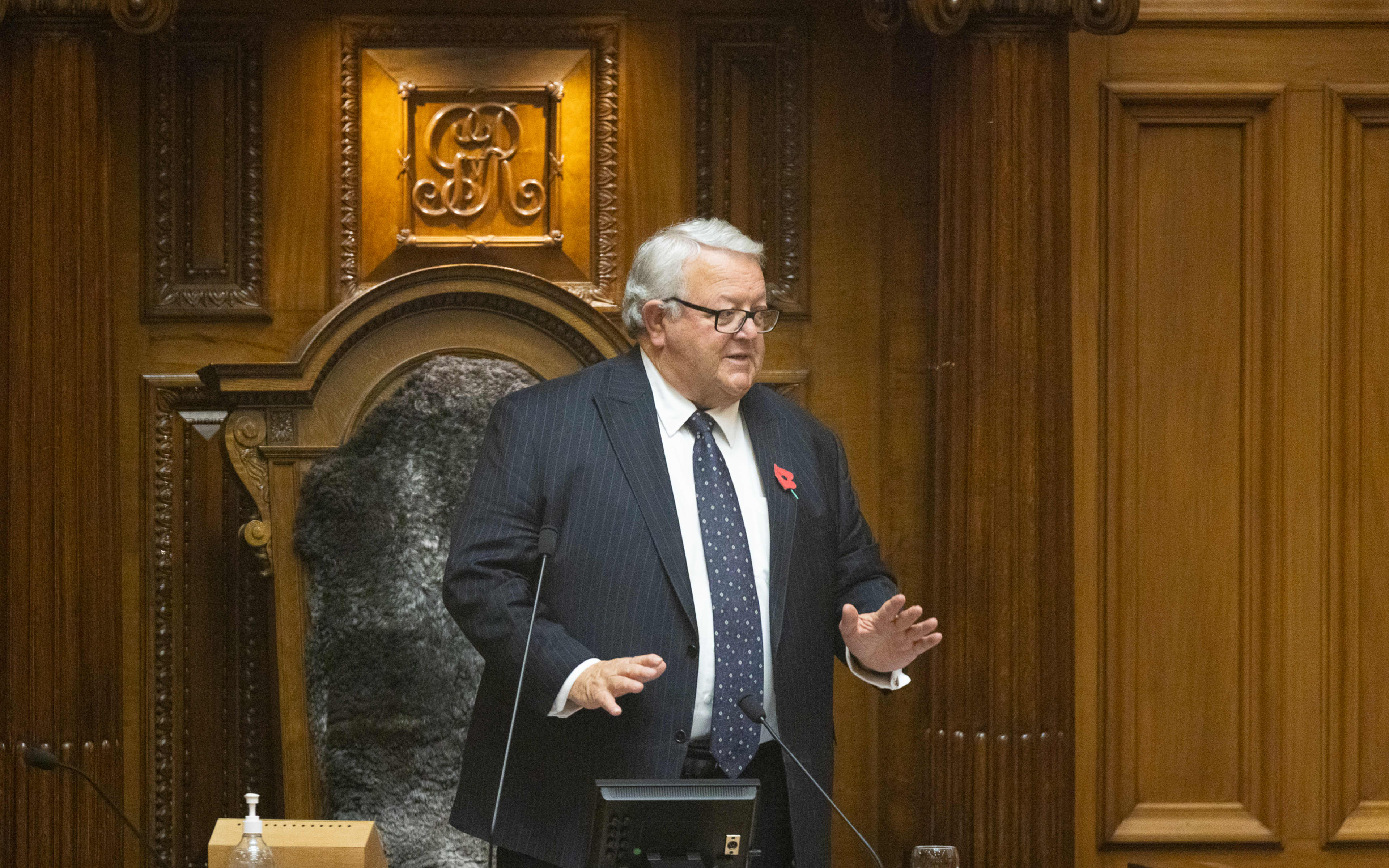
If a party wins more electorates than its share of party votes allows, extra seats can be added to parliament to ensure proportional representation.
Party vote thresholds
A party must win at least 5 percent of votes or an electorate seat to win a seat in parliament.
Government formation
The party with more than 50 percent of seats becomes government; otherwise, parties negotiate to form a coalition or confidence and supply agreement.
MMP referendum debate
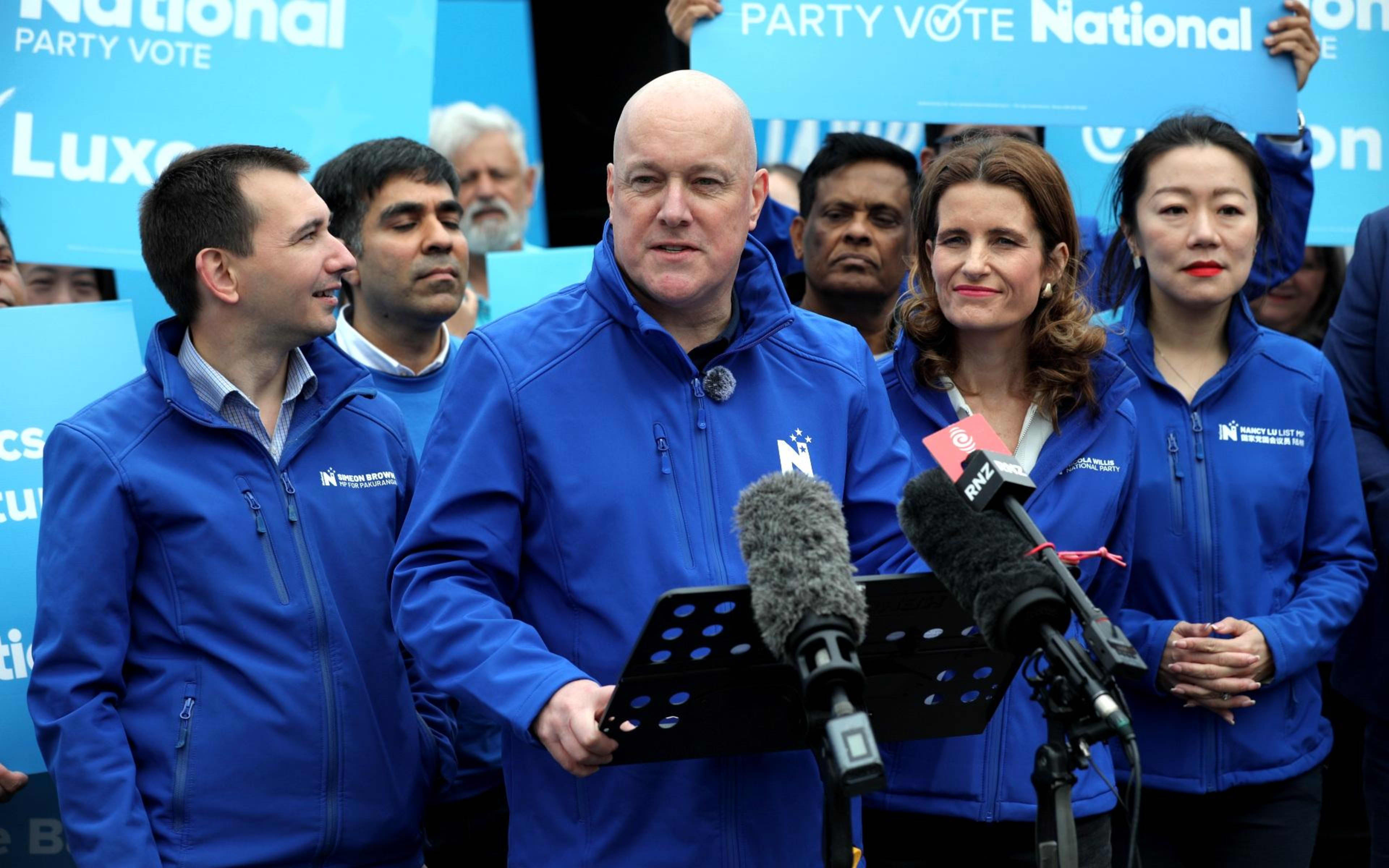
National leader Christopher Luxon has proposed another referendum on MMP after the 7 november election to test public support for the system.
MMP history
Mmp was first adopted in 1996 after a 1992 non-binding referendum and a 1993 binding referendum confirmed public support for the change.
MMP changes
The national-led coalition rejected several proposed changes to mmp in 2024, including restrictions on early and same-day voter enrolment.
The essence
New Zealand uses MMP to elect 120 parliamentary seats with 72 electorate and 48 list seats, ensuring party vote proportions match seat distribution.





