From Rolling Stone · Larisha Paul · · 3m
Hayley Williams opens up at Forest Hills Stadium
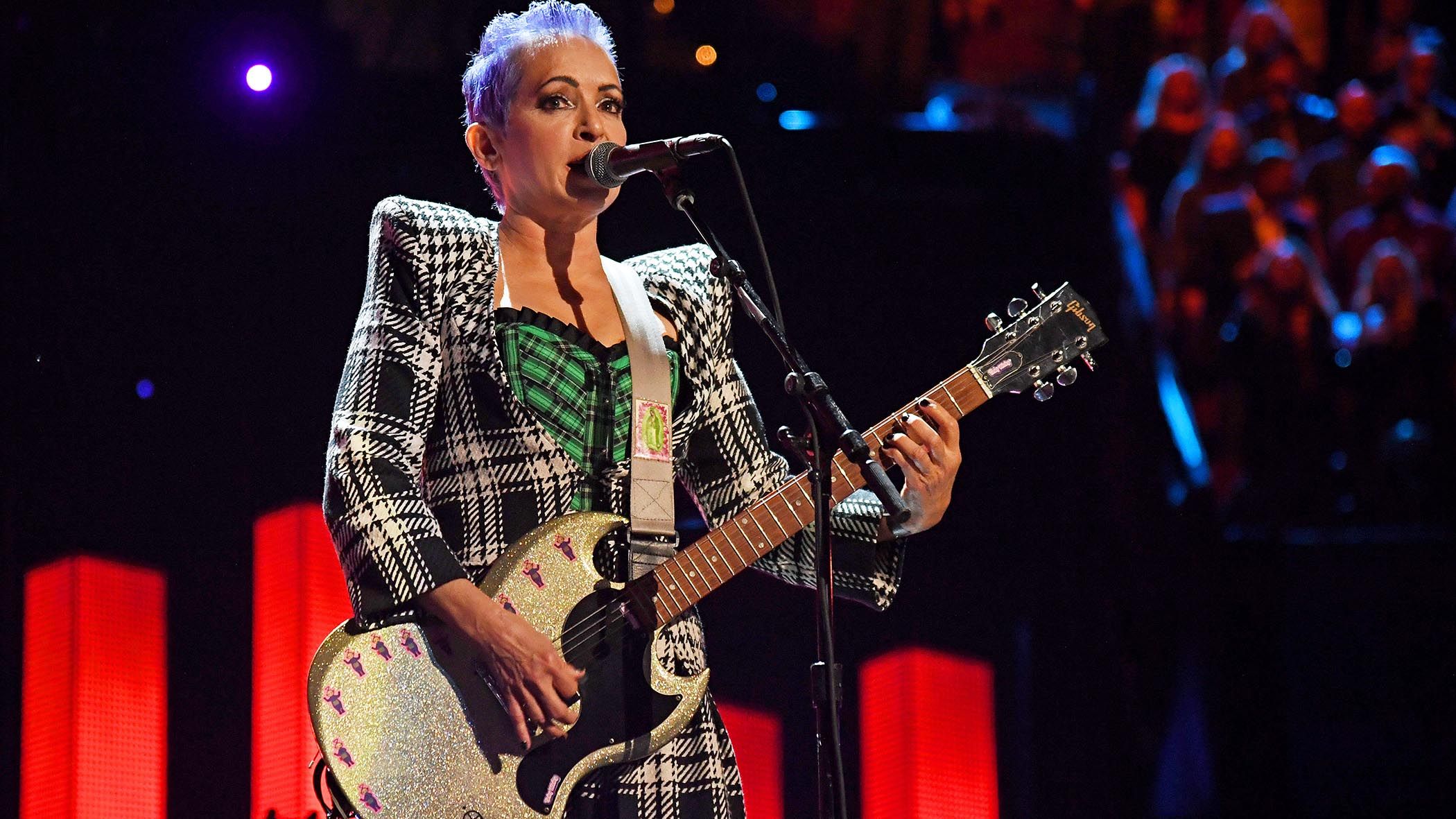
Williams performs nearly two hours of raw emotional material across three solo albums, building a show about vulnerability and political conviction.
In brief
Williams performs nearly two hours of raw emotional material across three solo albums, building a show about vulnerability and political conviction. Williams uses her solo work to create intimate connection with audiences while making clear that concert venues are inherently political spaces. Originally reported by…
Williams asks the hard question

At Forest Hills Stadium on September 16, Williams opened her show with a challenge: "You think you know me? Wait til I open up to you." She spent nearly two hours exploring how to distill real intimacy into a live performance.
“"You think you know me? Wait til I open up to you."”
The stage design amplifies urgency
Pulsating lights, dark bass lines, and projected giant eyes created an unsettled sense of surveillance. The words "The Hayley Williams Show" flashed across white curtains as the set reached explosive peaks.
From intimate rooms to bigger stages
Earlier this year, Williams toured smaller venues on the Hayley Williams at a Bachelorette Party Tour, seeking to practice "hyper-presence" and gorge on "future memories while they're hot and ready." Her album Ego Death at a Bachelorette Party had just arrived.
“"gorging on future memories while they're hot and ready" and "practicing hyper-presence"”
Petals for Armor still bleeds

Released a few weeks into pandemic lockdowns, Petals for Armor arrived six years before this show. The songs still feel like fresh wounds despite their age, requiring emotional vulnerability rather than complete recovery.
Songs grouped by album and emotion
Williams kept tracks from each album clustered together in three and four song runs. "Cinnamon" and "Dead Horse" paired with "Pure Love" and "Crystal Clear," creating smoky selections brimming with devotion.
Live arrangements transform studio songs
"Crystal Clear" replaced its studio version's quiet space with overload of bass and percussion, creating a different song from the perspective of knowing what she didn't then. This approach informed how she arranged Ego Death material.
One song bookends the main set
"Just a Lover" from Flowers for Vases / Descansos opened the pre-encore portion with Williams alone at her piano. Over an hour later, she returned with her six-piece band and the True Believer Quartet for a fuller arrangement.
“"Love has turned me into many others, now I guess I'm just/Just a lover"”
String quartet brings chilling depth
The True Believer Quartet performed the Ego Death deep cut "True Believer" with an interpolation of Billie Holiday's "Strange Fruit." Forest Hills fell silent as Williams' voice cut through with staggering precision.
Nina Simone cover builds on her foundation
Williams combined "True Believer" with an abridged cover of Nina Simone's "Don't Let Me Be Misunderstood," a song pleading for goodness to remain visible through worry or anger. The moment built her own revelatory writing with music that shaped her.
Pre-show playlist honors solidarity
Williams loaded her pre-show with Macklemore songs and tracks from artists who withdrew from Ed Sheeran's tour in solidarity with Palestinian rights. The playlist created a musical conversation before the show even began.
Political statements are consistent practice
Williams screamed "Fuck ICE" and "Free Palestine" during "Ice in My OJ," and declared that "Christian nationalism is the greatest threat to American democracy." These chants have been staples since the Ego Death tour began.
“"the greatest threat to American democracy is Christian nationalism"”
Concerts are inherently political spaces
While major artists argue shows should be neutral sanctuaries, resounding cheers at Williams' political statements prove concerts can be both safe and political. This matters especially in cities like Nashville where love and displacement coexist.
In short
Williams uses her solo work to create intimate connection with audiences while making clear that concert venues are inherently political spaces.