From Salon · Christopher Miller · · 1m 30s
Why GOP’s Voter Fraud Claims May Backfire
Republican voter fraud messaging risks alienating voters by spreading distrust in elections.
In brief
Republican voter fraud messaging risks alienating voters by spreading distrust in elections. Republican claims of widespread voter fraud could reduce turnout among their base as voters expect fraudulent results. Originally reported by Salon.
Voter confidence drops
Voter confidence in elections has fallen across party lines with 65% of Republicans, 64% of Democrats and 57% of independents expressing low confidence.
GOP’s voter fraud strategy
Republicans bet strongly on convincing voters that voter fraud is rampant to mobilize their base ahead of November elections.
Voter fraud is rare
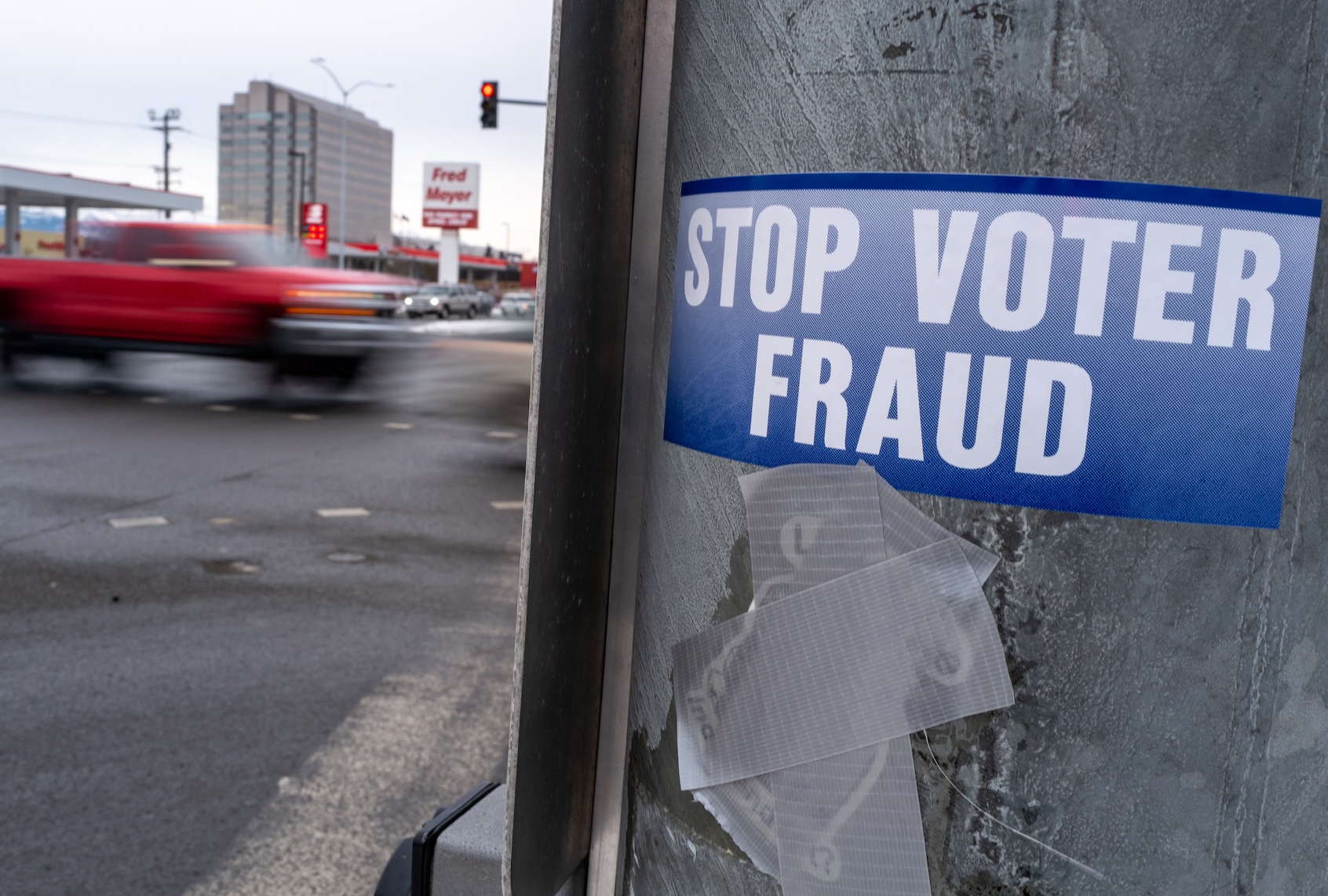
Studies show voting by noncitizens and ineligible voters happens at minuscule, statistically insignificant levels in the United States.
Trump administration claims
Homeland Security Secretary Markwayne Mullin claimed Nevada had nearly 16,000 noncitizens on voter rolls reduced to zero after state investigation.
Republican voter behavior
50% of Republicans distrust mail-in voting and 51% fear voting by noncitizens, expecting election results to be fraudulent.
Democratic voter response
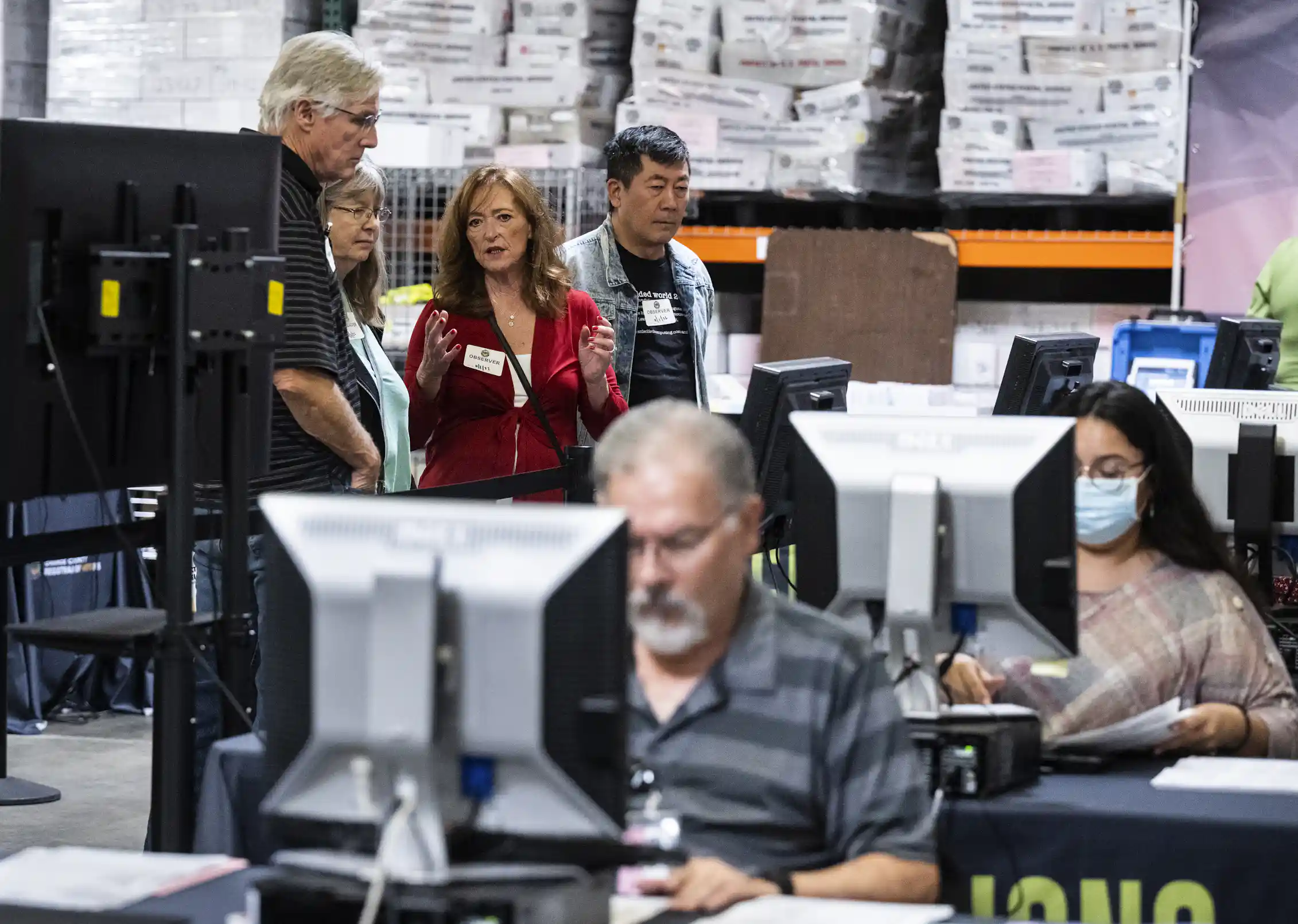
Democrats are less likely to believe voter fraud claims but more concerned about attempts to undermine midterms through such rhetoric.
Voter motivation dynamics
Reduced trust in elections depresses turnout among passive voters but motivates active voters to correct systemic flaws.
Potential consequences
Republican messaging may backfire by painting voters into a corner with no positive results to affirm.
What happens next
Clear election outcomes could help voters understand how the system works and boost future turnout through increased trust.
What matters most
Republican claims of widespread voter fraud could reduce turnout among their base as voters expect fraudulent results.