From ScienceAlert · Carly Cassella · · 50s
Deep-Sea Rocks Ignite in Lab
Deep-sea rocks spontaneously combust when brought to surface, posing fire risks for ocean mining.
In brief
Deep-sea rocks spontaneously combust when brought to surface, posing fire risks for ocean mining. Deep-sea mineral samples can ignite upon exposure to air, creating fire hazards for future ocean mining operations. Originally reported by ScienceAlert.
Deep-Sea Rocks Ignite
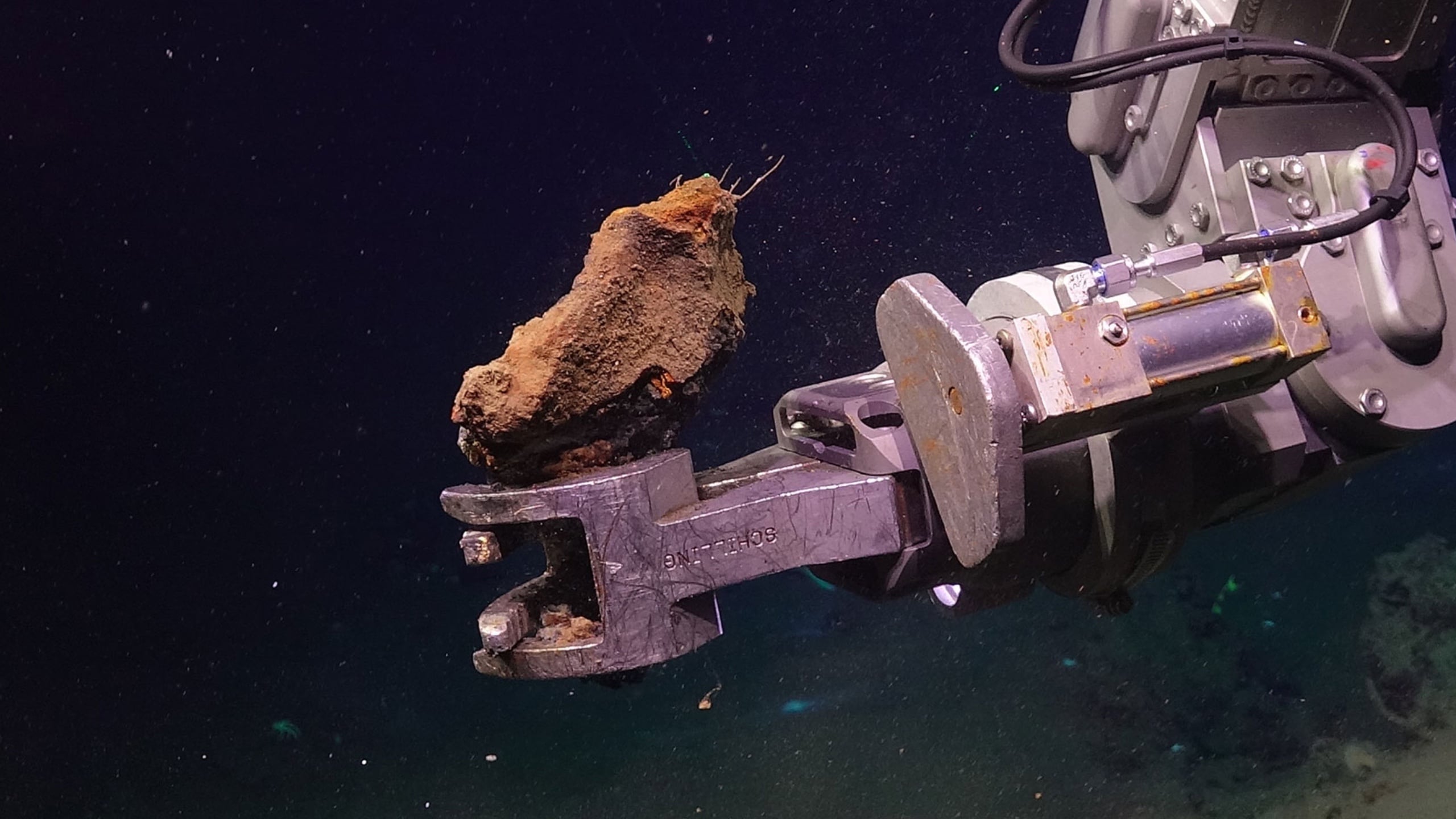
Scientists collected deep-sea mineral samples that spontaneously caught fire in lab tests.
“Scientists investigating the possibility of a 'gold rush' on the bottom of the ocean have hit upon an unforeseen 'landmine'.”
2022 Lab Incident
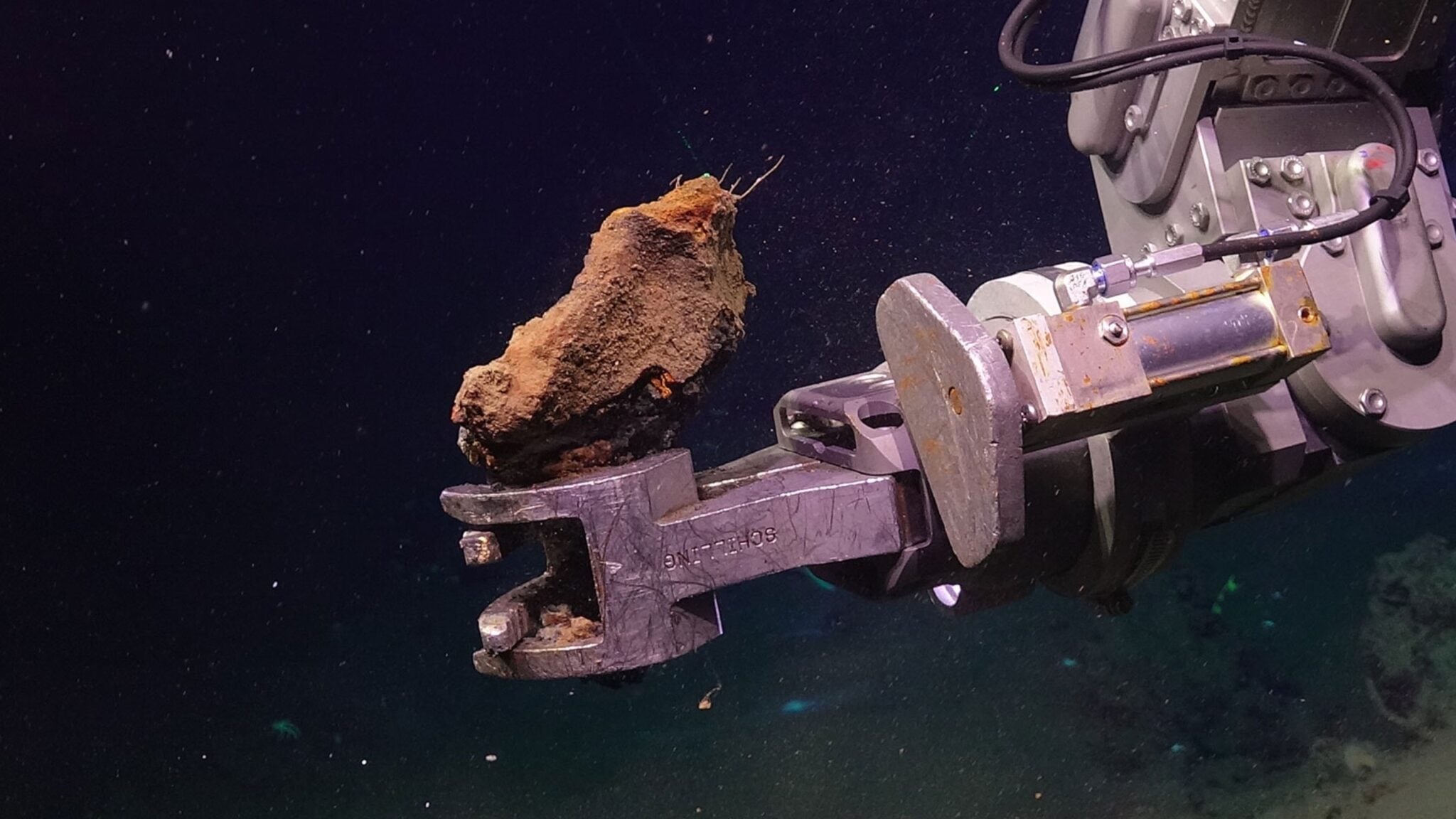
Two metal-sulfide rock samples ignited at temperatures above 100 °c in 2022.
“In 2022, that happened to two samples of metal-sulfide rocks collected from the deep seafloor.”
USGS Warning
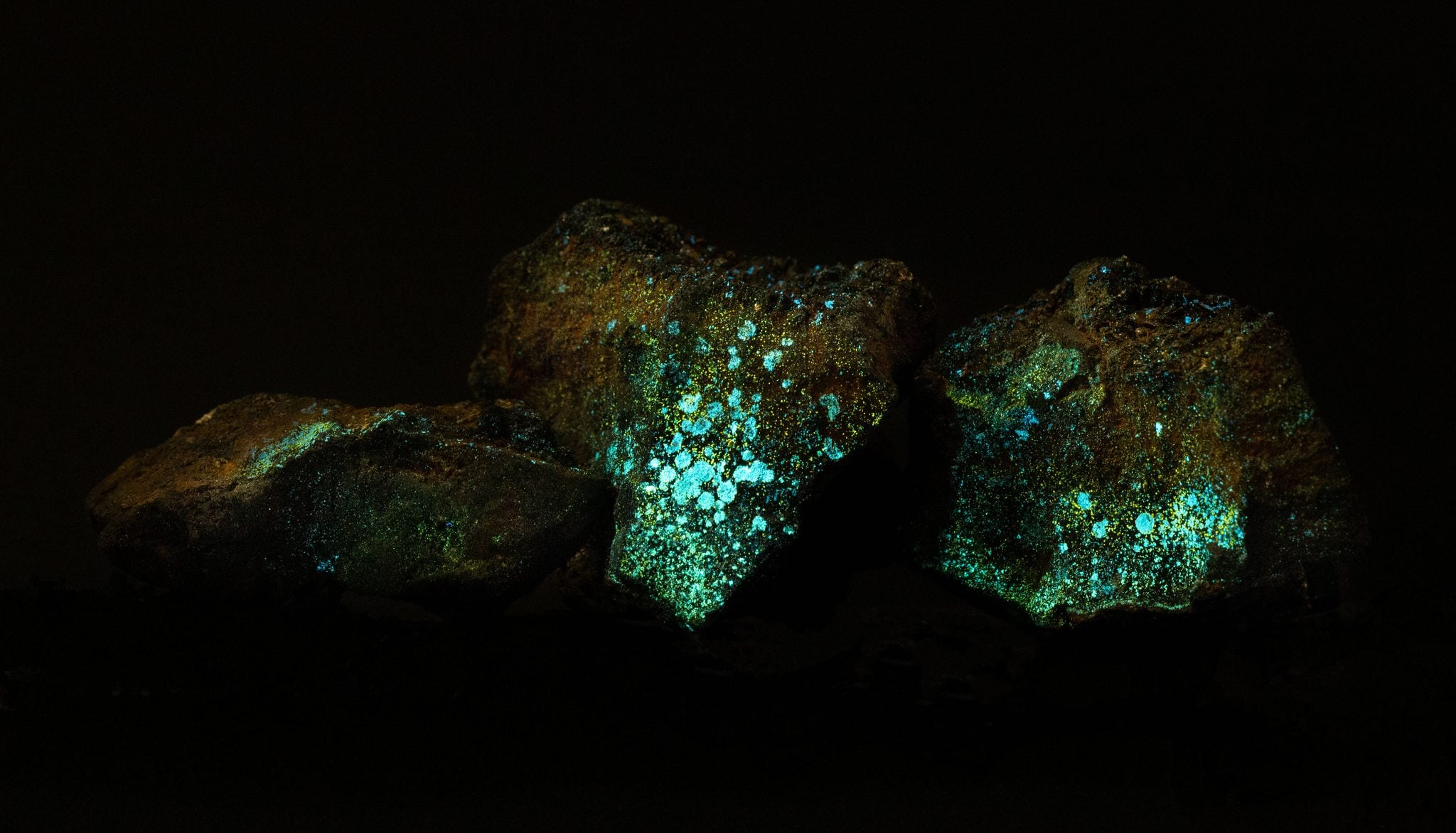
USGS warns deep-sea mining could trigger spontaneous fires due to rock oxidation.
“According to the USGS, this is a 'potential hazard that could merit special consideration if deep-sea mining of seafloor massive sulfide deposits moves forward'.”
Escanaba Trough
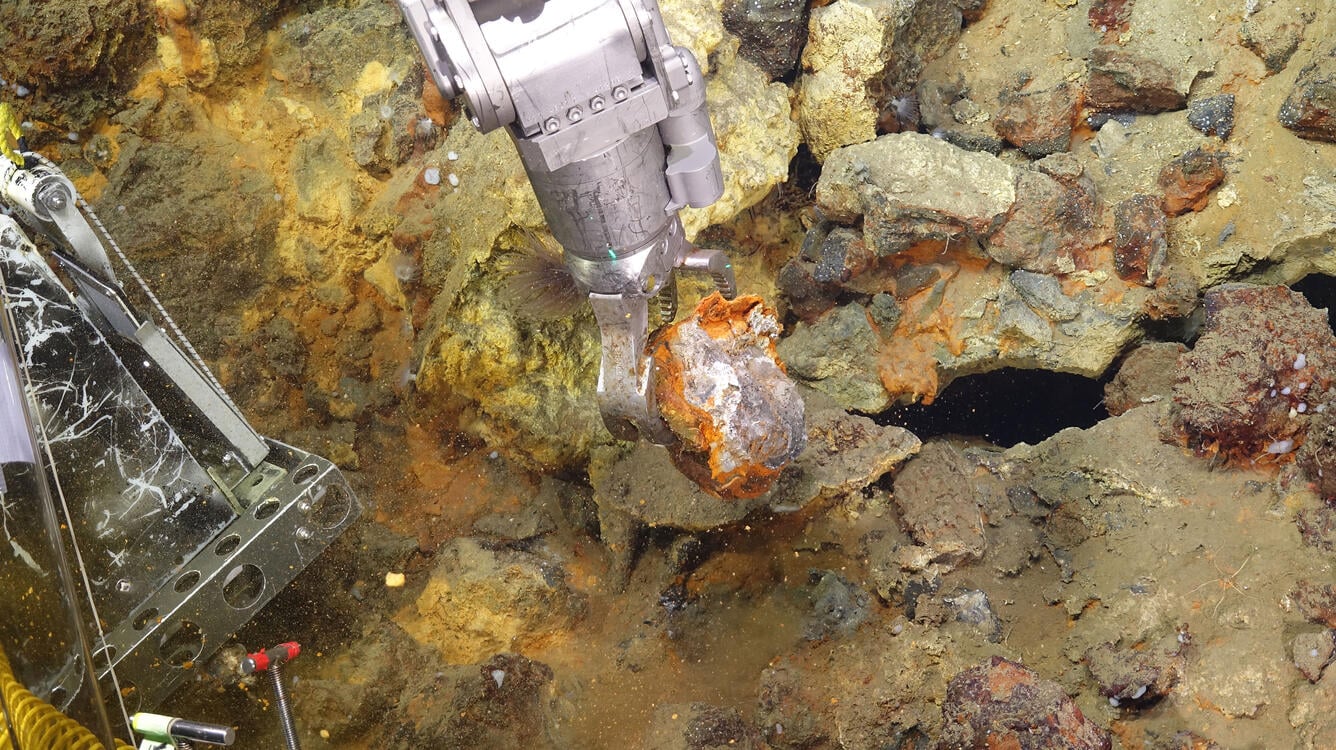
Researchers collected 57 samples from Escanaba Trough in Oregon, California EEZ.
“The Escanaba Trough sits in the US Exclusive Economic Zone (EEZ) off the Oregon, California border, where hydrothermal activity has created deep-sea deposits rich in metals.”
Combustible Minerals
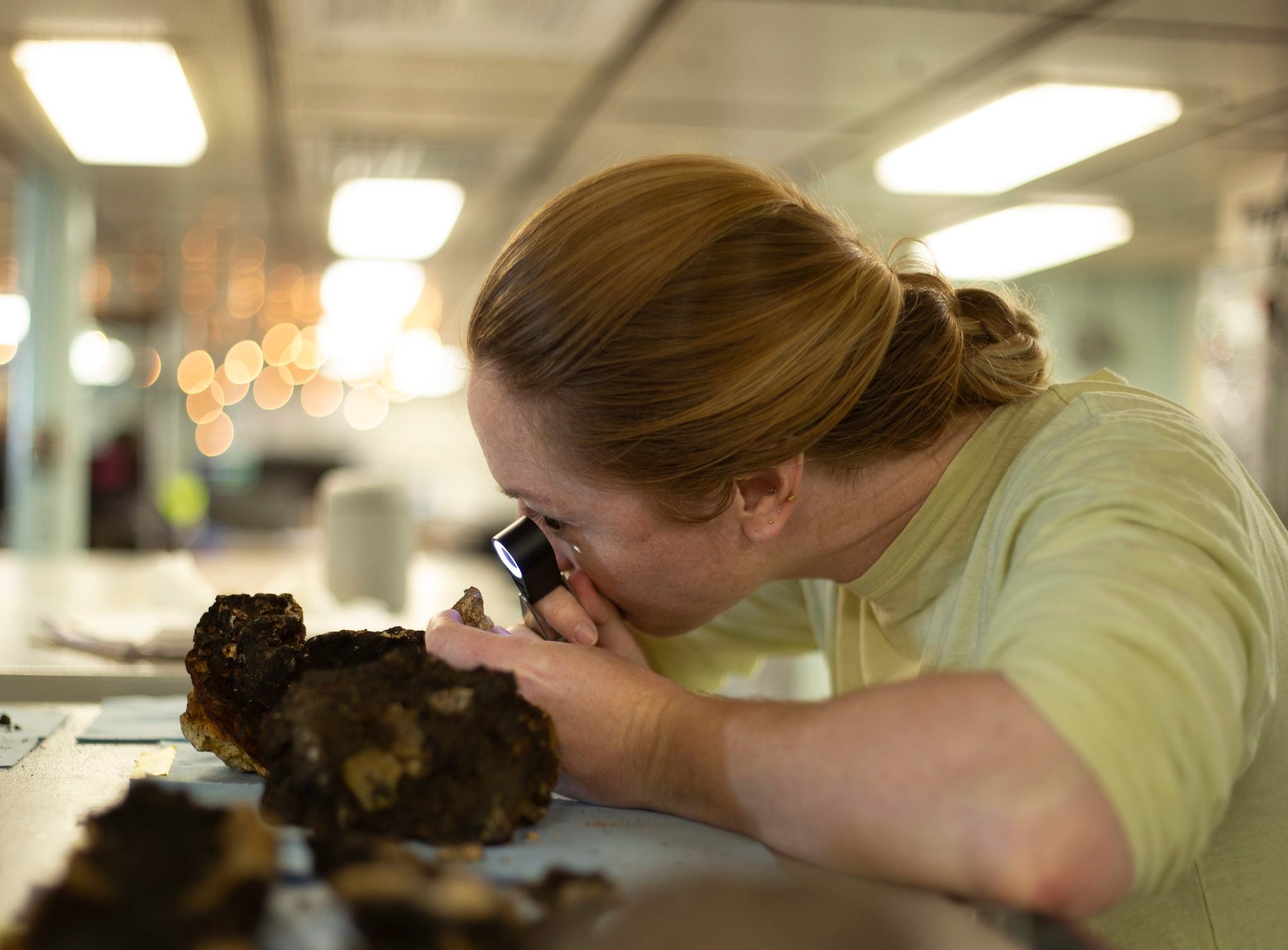
Nanocrystalline marcasite causes rocks to self-heat and ignite when exposed to air.
“The self-combusting rocks were made mostly of nanocrystalline marcasite. This is a form of iron sulfide that appears to be especially unstable in the presence of oxygen.”
Mining Risks
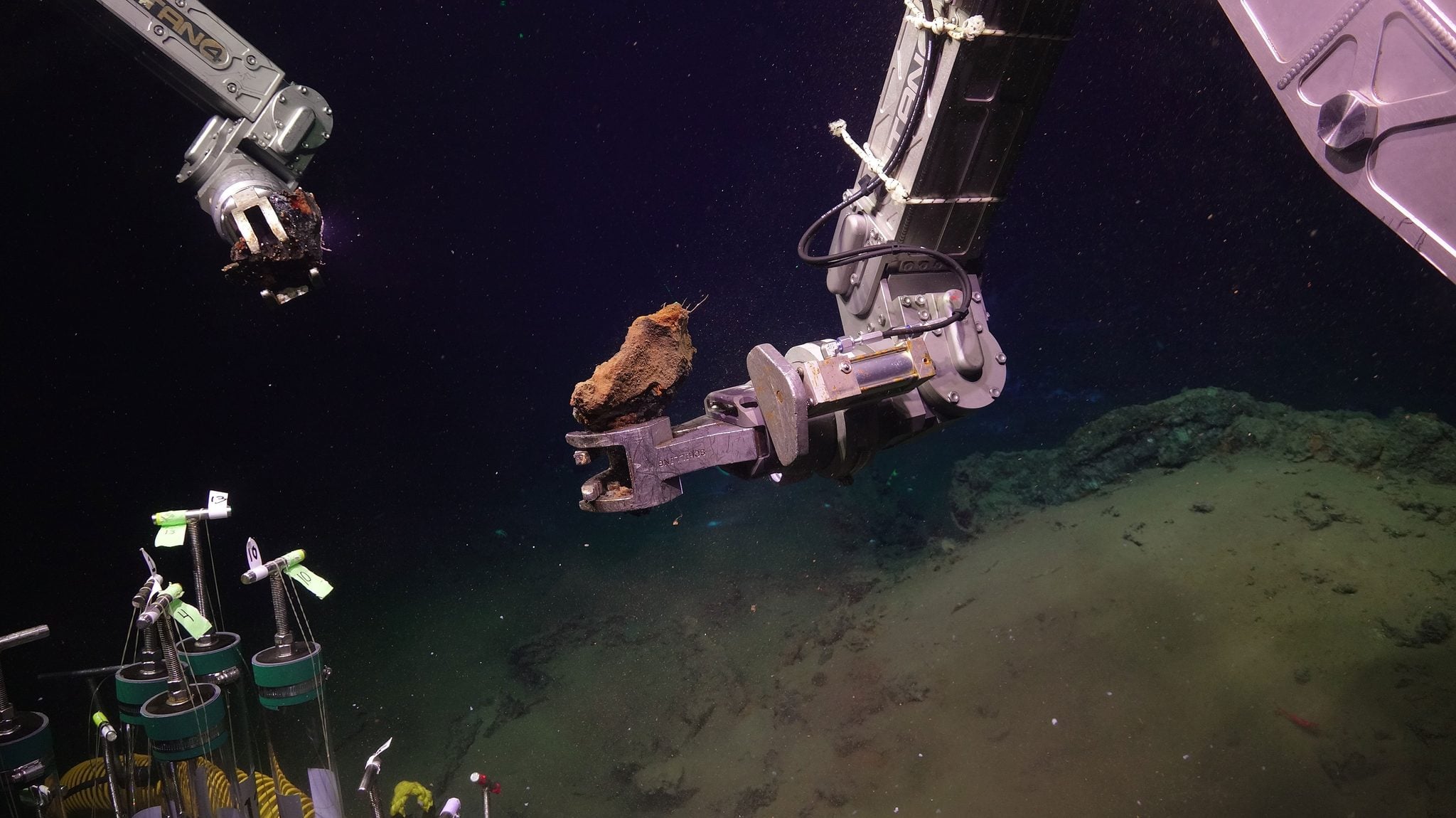
Deep-sea mining could expose rocks to oxygen, causing fires on ships.
“If seafloor massive sulfide mining occurs, rocks brought to surface would experience conditions dramatically different from those on the seafloor, including exposure to oxygen and changes in temperature, pressure, and moisture.”
At a glance
Deep-sea mineral samples can ignite upon exposure to air, creating fire hazards for future ocean mining operations.





