From ScienceAlert · Michelle Starr · · 1m 50s
Mysterious Space Signal Detected
Astronomers found a strange signal in empty space that no telescope has seen before.
In brief
Astronomers found a strange signal in empty space that no telescope has seen before. JWST detected a single emission line in a dark nebula that has no known explanation. Originally reported by ScienceAlert.
Dark Nebula Barnard 68
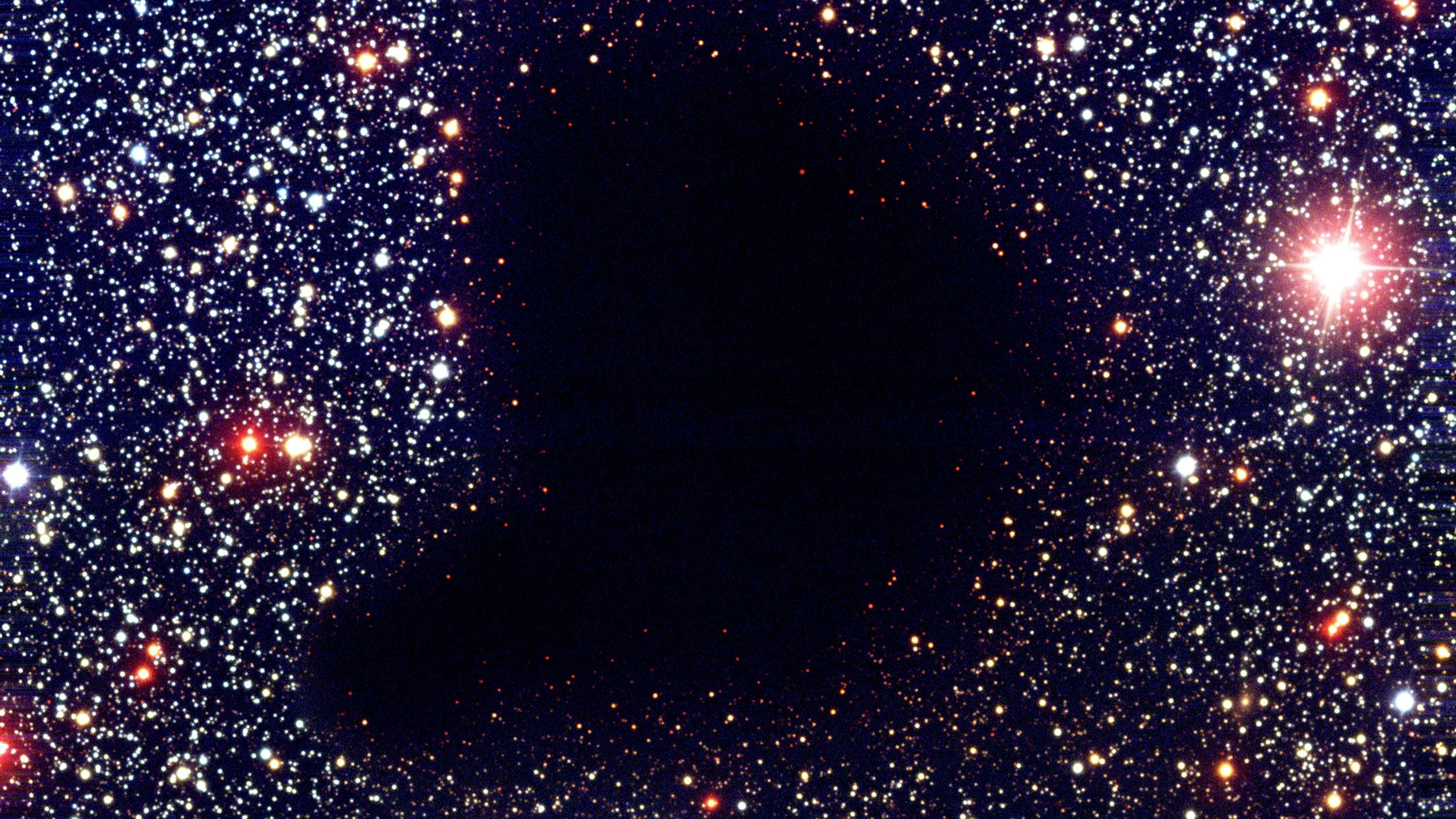
Astronomers spotted a tiny patch of sky in the southern constellation Fornax that has been well-cataloged for decades.
Hubble's Ultra Deep Field
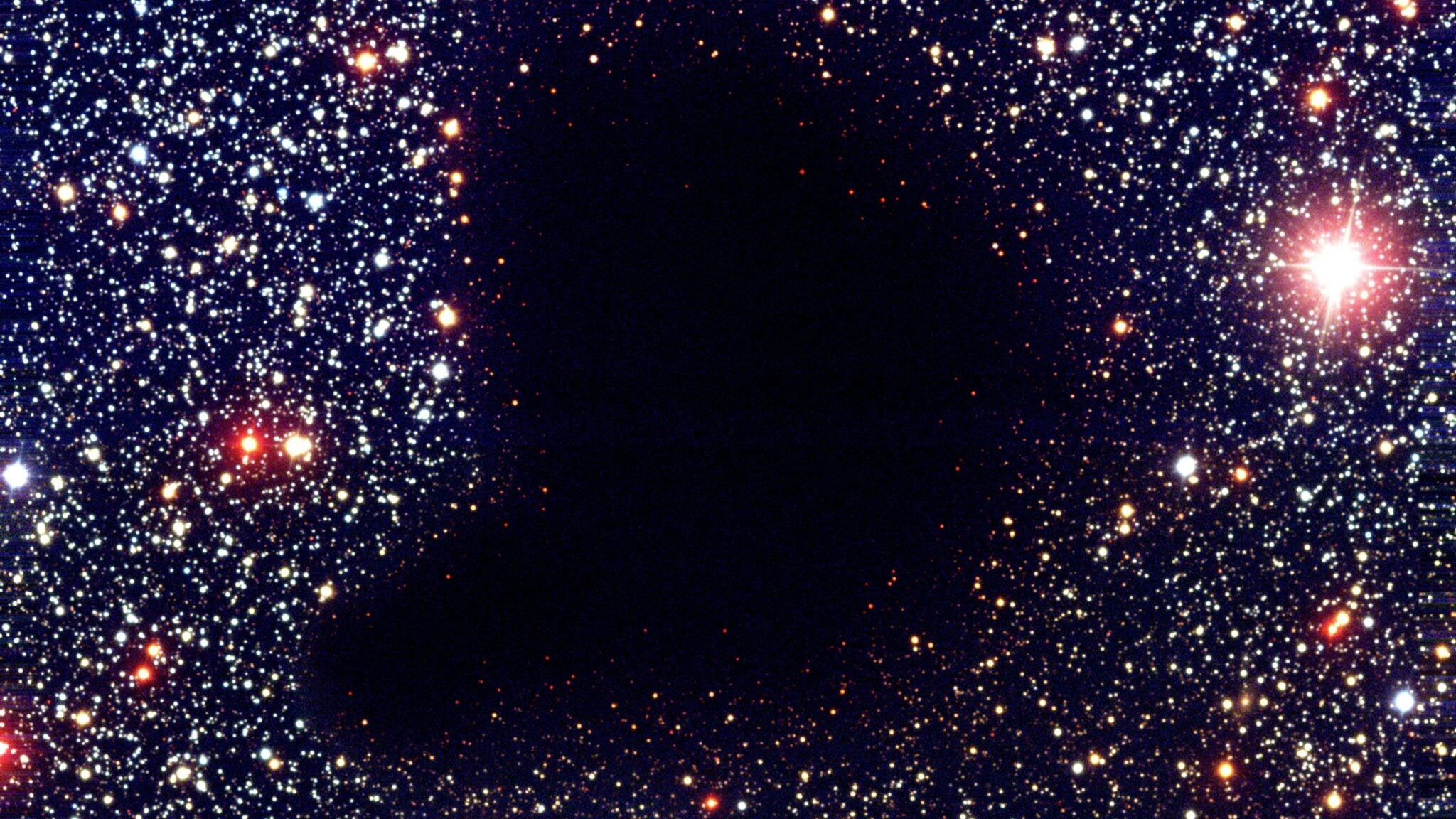
The Hubble Space Telescope observed this region for 270 hours, revealing nearly 10,000 galaxies billions of light-years away.
JWST's New Detection
JWST detected a single bright emission line twice in observations nearly three months apart in August and November 2023.
No Prior Signal
All previous observations from Hubble and JWST showed nothing in this patch of space, making the signal a mystery.
Spectroscopy Technique
Astronomers used JWST's Near-Infrared Spectrograph to search for faint objects without knowing their exact locations first.
MOCSS Method
The team employed Multiobject Coronagraphy for Slitless Spectroscopy to find objects that conventional methods missed.
Six Galaxies Found
Six distant galaxies were matched to the HUDF, but the seventh detection remains unexplained.
Single Emission Line
The signal was a single bright line at 1.6 micrometers with no other emission lines detected in prior observations.
No Glitch Explanation
The signal appeared in all four sets of observations across two observing angles, 88 days apart, and was consistent.
JADES Survey Problem
The signal should have been visible in JWST's JADES survey from October 2022, but wasn't detected then.
Possible Explanations
The signal could be a galaxy, supernova, black hole, or other phenomenon, but none fit the data cleanly.
Follow-Up Needed
Researchers say deeper spectroscopy is essential to confirm the redshift and determine the physical origin of the signal.
What to remember
JWST detected a single emission line in a dark nebula that has no known explanation.





