From Slate Magazine · Nicole Chung · · 3m
When grandparents favor one grandchild over another
A parent suspects racial bias in how their adopted Chinese children are treated compared to white cousins. Here's how to address it.
In brief
A parent suspects racial bias in how their adopted Chinese children are treated compared to white cousins. Here's how to address it. Speak up about unequal treatment now, focusing on behavior and impact rather than accusations, because your children's wellbeing comes first. Originally reported by Slate Magazine.
The pattern she's noticing
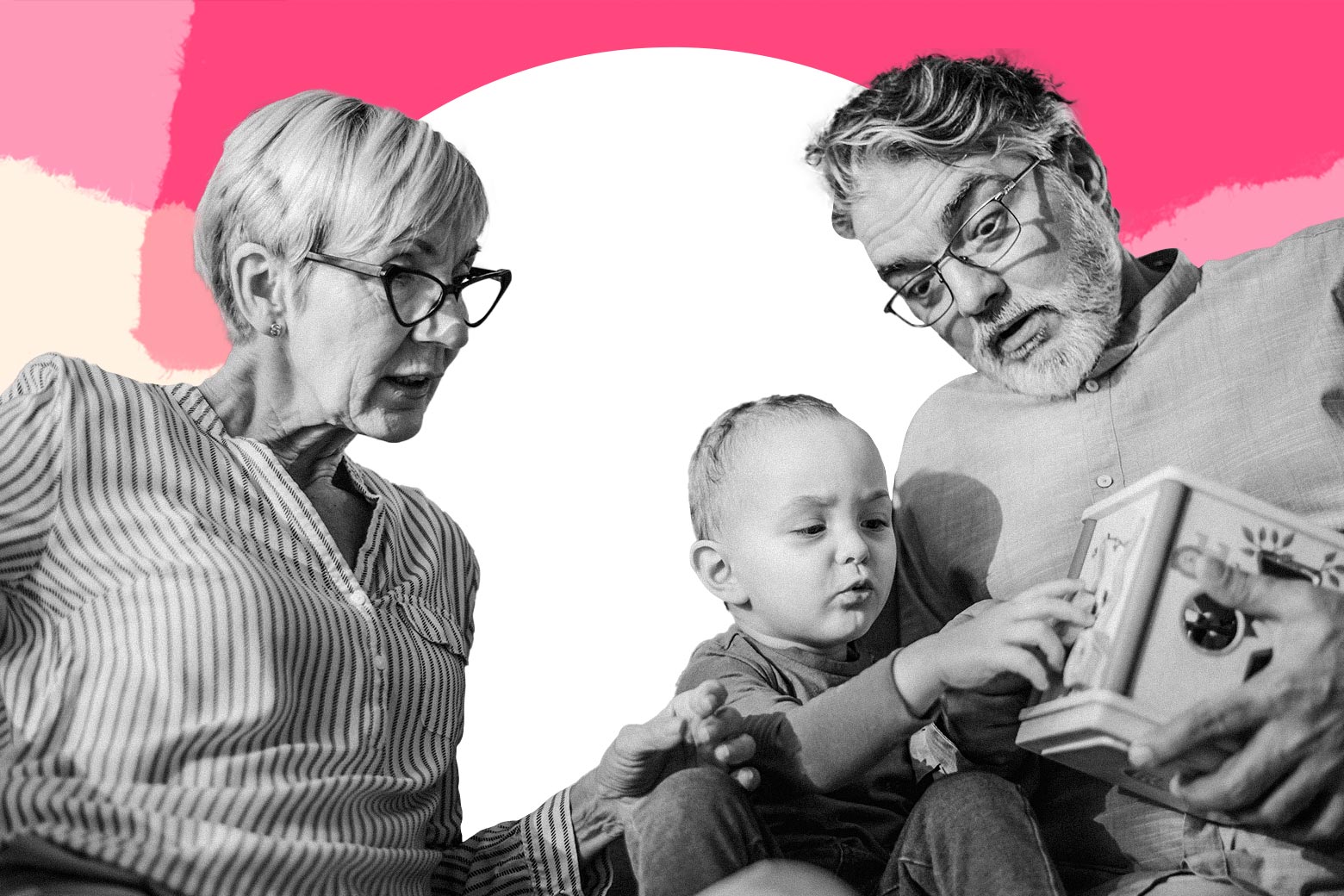
The writer's parents give her brother's white biological children better gifts, more attention, quicker praise, and take their side in arguments more often than they do with her two adopted Chinese children.
She's hesitant to speak up
Her parents have always spoken against racism and haven't done anything explicitly racist, so she's reluctant to accuse them. She also fears damaging her close relationship with her brother's family.
The real concern
She worries her children will grow up knowing their grandparents love their blue-eyed cousins more, and she's unsure whether to keep exposing them to this family environment.
Reframe it as a concern
Don't think of this as accusing your parents of racism. Instead, raise a concern about something that affects your children's wellbeing and how they're treated.
Your parents created this problem
You're not jeopardizing family harmony by speaking up. Your parents are the ones who did that by treating your children unequally. Even well-meaning people can harbor unconscious bias.
“people who say anti-racist things can obviously harbor unconscious bias, too”
Focus on behavior, not intent
When you talk to your parents, keep your focus on the specific differences you've noticed and their impact on your kids, rather than debating whether racism is involved.
Make your expectations clear
Tell them you want them in your kids' lives, but you can't stand by while your children are treated differently than their cousins. Emphasize that adopted children especially need to feel fully seen and loved.
They might change after you speak
Even if your parents get defensive, they may feel enough shame or conscience to change their behavior. If they truly love your kids, they'll know what to do after this conversation.
Silent treatment can hurt just as much
The columnist's own experience shows that vague, unspoken prejudicial treatment from family members can accumulate and feel just as harmful as explicit racist comments over time.
“non-actionable behavior can accumulate and feel just as bad, or be just as harmful”
Your kids need you as their ally
Right now, your children have to go where you bring them. They need a strong ally in you, so ask yourself what your love and solidarity with them requires.
Speak now while there's hope
It will be hard to limit contact with your parents later if you need to. That's why saying something now, while they might still change, is important.
Your kids come first
Your first responsibility is to your children's wellbeing, not to keeping the peace with your parents or brother. A good relationship should be able to withstand honest, necessary conversations.
You're showing them respect
Naming what you've seen and giving your parents a chance to change is actually showing them grace and respect. It means you care about the relationship enough to be honest.
The one thing
Speak up about unequal treatment now, focusing on behavior and impact rather than accusations, because your children's wellbeing comes first.