From TIME · Ian Urbina · · 2m
China's Xinjiang Seafood Narrative
China promotes Xinjiang as a source of premium seafood to counter forced labor accusations.
In brief
China promotes Xinjiang as a source of premium seafood to counter forced labor accusations. China markets Xinjiang seafood as a high-value product to shift global focus from human rights concerns. Originally reported by TIME.
State TV Promotes Xinjiang Salmon
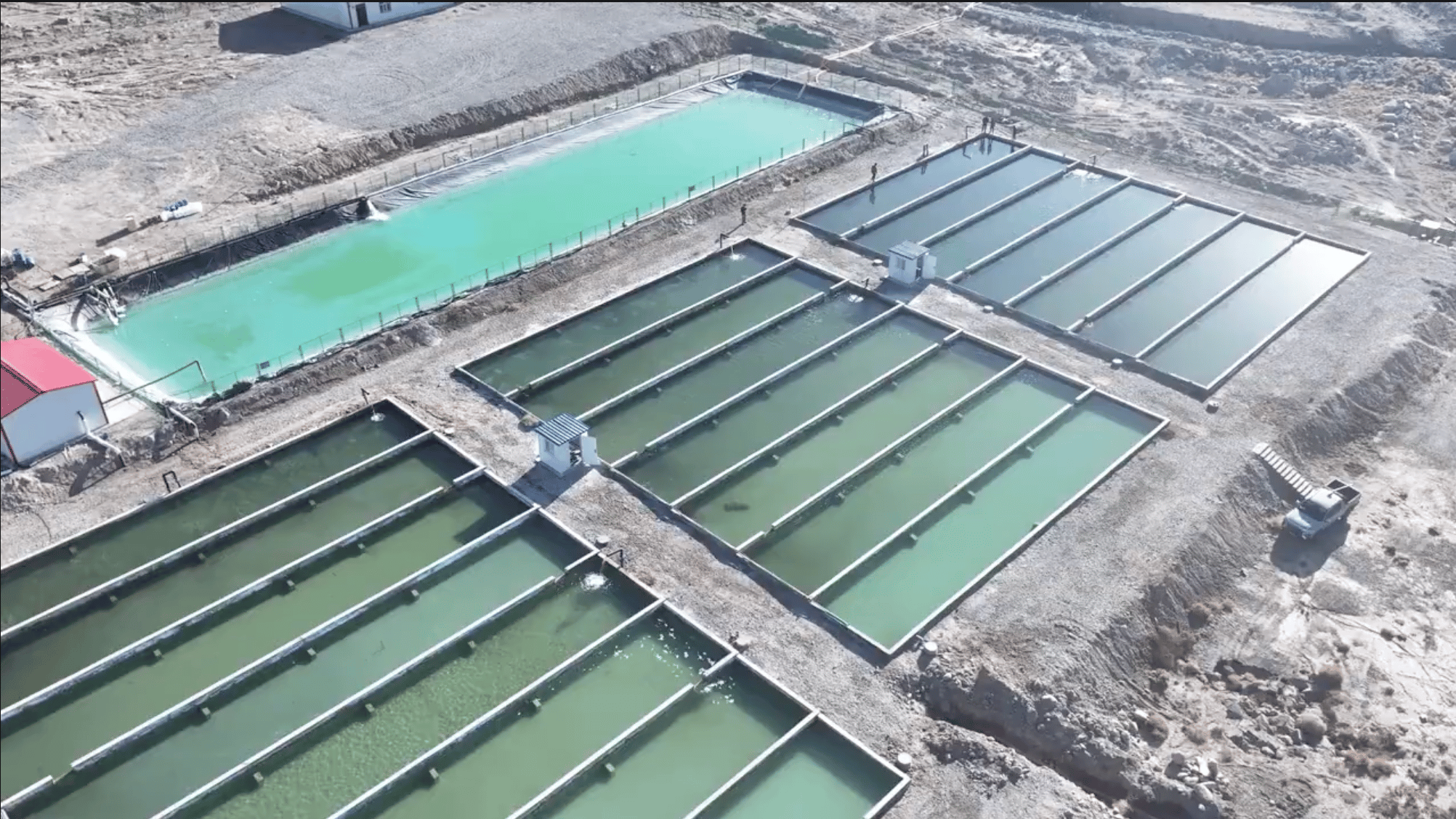
China Central Television aired a 2018 segment celebrating inland salmon farming in Xinjiang as a technological miracle.
“The land is the same land, and the people are the same people, but when technology is brought in, miracles are born”
Consumer Confusion Over Species
Viewers questioned whether the fish was genuine salmon or cheaper rainbow trout sold as premium product.
“People expect Atlantic salmon, but we’re getting freshwater rainbow trout that costs half as much”
Xinjiang Fish Farms Expand
China developed at least 1,000 fish farms in Xinjiang as part of state policy for self-sufficiency.
“Xinjiang, a historically restive region located in the country’s mountainous and desert inland”
UFLPA Violations Found
Seafood from Xinjiang enters U.S. markets in violation of the Uyghur Forced Labor Prevention Act.
“The Outlaw Ocean Project mapped these farms as part of a sweeping investigation showing how much seafood is reaching the U.S.”
Food Safety Concerns
Chinese food-safety experts warned against raw consumption of freshwater trout due to parasite risks.
“I do not recommend eating it raw, citing parasite risks common in freshwater fish”
Antibiotic Abuse in Farms
China’s aquaculture industry uses high levels of antibiotics and sedatives like diazepam in fish farming.
“A 2020 study in Nature found aquaculture has the highest antibiotic-use intensity per kilogram of biomass”
State Narrative Campaign
Chinese officials promoted Xinjiang seafood as a symbol of innovation and regional development.
“Xinjiang seafood is not merely an agricultural product. It is a narrative achievement”
Social Media Surge in 2023
Xinjiang seafood hashtags gained massive traction on Chinese social media platforms in late 2023.
“Xinjiang welcomes everyone to come eat seafood”
International Attention
Xinjiang seafood videos reached global audiences through YouTube and foreign influencers.
“A Russian student filmed herself at a salmon farm in Nilka, announcing she had come to be an employee for a day”
Forced Labor Accusations
Xinjiang Tianyun claims forced labor accusations are 'completely factually unfounded'.
“Xinjiang Tianyun said in a statement that claims of systemic forced labor are completely factually unfounded”
UFLPA Impact on Trade
U.S. law prohibits seafood from Xinjiang due to forced labor concerns unless importers prove otherwise.
“The Uyghur Forced Labor Prevention Act presumes goods made in Xinjiang are produced with forced labor”
State Media Tours
Government-orchestrated media tours for foreign journalists visited Xinjiang fish farms.
“After being shepherded to government-run facilities, influencers create seeing-is-believing style videos”
National Model Worker
A Xinjiang salmon executive was honored as a 'National Model Worker' by the Communist Party.
“In 2025, one prominent executive from Xinjiang’s salmon business was honored in Beijing by the Communist Party”
Narrative Over Product
Xinjiang seafood represents a state-led narrative rather than just a food product.
“Fish flash through cold inland water; cameras glide across reservoirs; influencers smile into the desert light”
Consumer Questions Remain
Despite marketing efforts, questions about the fish’s origin and true nature persist.
“In Xinjiang, those questions do not fade when the meal arrives. They sit there at the table”
Here's the gist
China markets Xinjiang seafood as a high-value product to shift global focus from human rights concerns.
/file/attachments/orphans/OutlawOcean-fishing-price3_637963.jpg)