From TIME · Justin Worland · · 1m 10s
Climate Week survives the backlash
New York Climate Week rebounded despite political headwinds, but the conversation has shifted from climate action to energy security.
In brief
New York Climate Week rebounded despite political headwinds, but the conversation has shifted from climate action to energy security. New York Climate Week thrived despite Trump administration skepticism, though the focus shifted from climate language to energy and economic concerns. Originally reported by TIME.
Climate Week faces uncertain future
Last year, Trump administration policies made business leaders question whether New York Climate Week could survive. Many worried about attending.
This year, doubts vanished
Company leaders engaged in serious discussions about AI-driven electricity demand, energy markets, and climate policy. Protesters also showed up to demand faster action.
Economic reality drives engagement
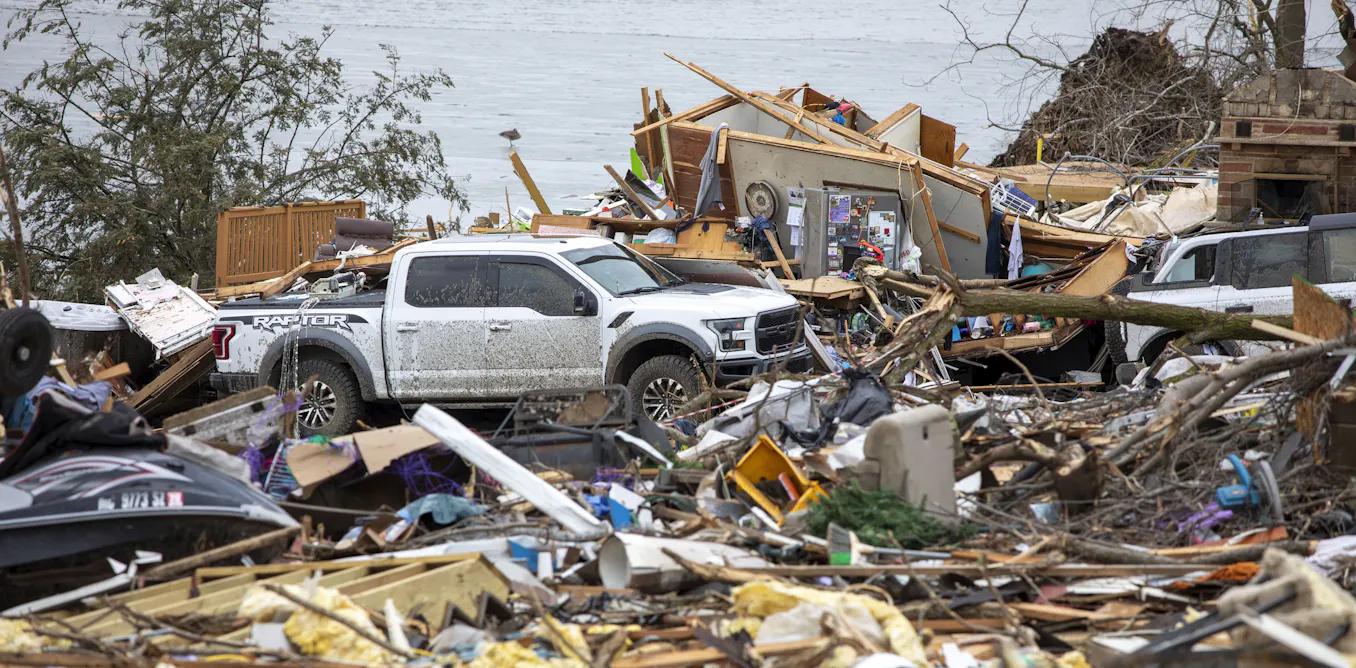
Climate change now creates real economic damage through storms, heat waves, and fires. Energy disruption from geopolitical conflict also demands attention.
Companies connect the dots
Sarah Kapnick, head of climate advisory at JPMorgan, said firms are linking geopolitics, sustainability, climate, and AI together in their thinking.
“They're putting geopolitics together with sustainability, climate, and AI.”
The language has shifted
Climate action and net zero dropped from discussions. Energy security, competitiveness, and affordability took their place. European participation also declined.
Progress without climate talk
Companies reduce emissions while avoiding climate language, but experts question whether sidestepping the core issue can sustain long-term change.
Here's the gist
New York Climate Week thrived despite Trump administration skepticism, though the focus shifted from climate language to energy and economic concerns.