From TIME · Veronique Greenwood · · 2m
E-bike and e-scooter injuries in children surge 400%
A new study finds severe injuries from powered devices are twice as likely as traditional bikes, prompting calls for age restrictions and better safety rules.
In brief
A new study finds severe injuries from powered devices are twice as likely as traditional bikes, prompting calls for age restrictions and better safety rules. Injuries from e-bikes among children rose roughly four hundred percent from two thousand twenty-three to two thousand twenty-six, with severe injuries twice as…
Quick answers
- What are e-bikes and e-scooters?
- E-scooters are stand-up two-wheeled devices with a powered front wheel. E-bikes are bicycles with pedals and battery-powered assist. Some e-bikes have hand throttles requiring no pedaling.
- What is the key takeaway from E-bike and e-scooter injuries in children surge 400%?
- Injuries from e-bikes among children rose roughly four hundred percent from two thousand twenty-three to two thousand twenty-six, with severe injuries twice as likely as on regular bikes, researchers say.
A close call in New York City
Dr. Alan Schroeder, a pediatrician at Lucile Packard Children's Hospital Stanford, narrowly avoided being hit by an e-bike rider going thirty miles per hour on a New York City street.
“I literally was about four inches away from someone on an e-bike, probably going 30 miles an hour, that I didn't see.”
Study shows injuries skyrocketing
On November second, Schroeder and colleagues published research in JAMA examining e-bike and e-scooter injuries in children from two thousand twenty-three to two thousand twenty-six using emergency room data.
Four hundred percent rise in e-bike injuries
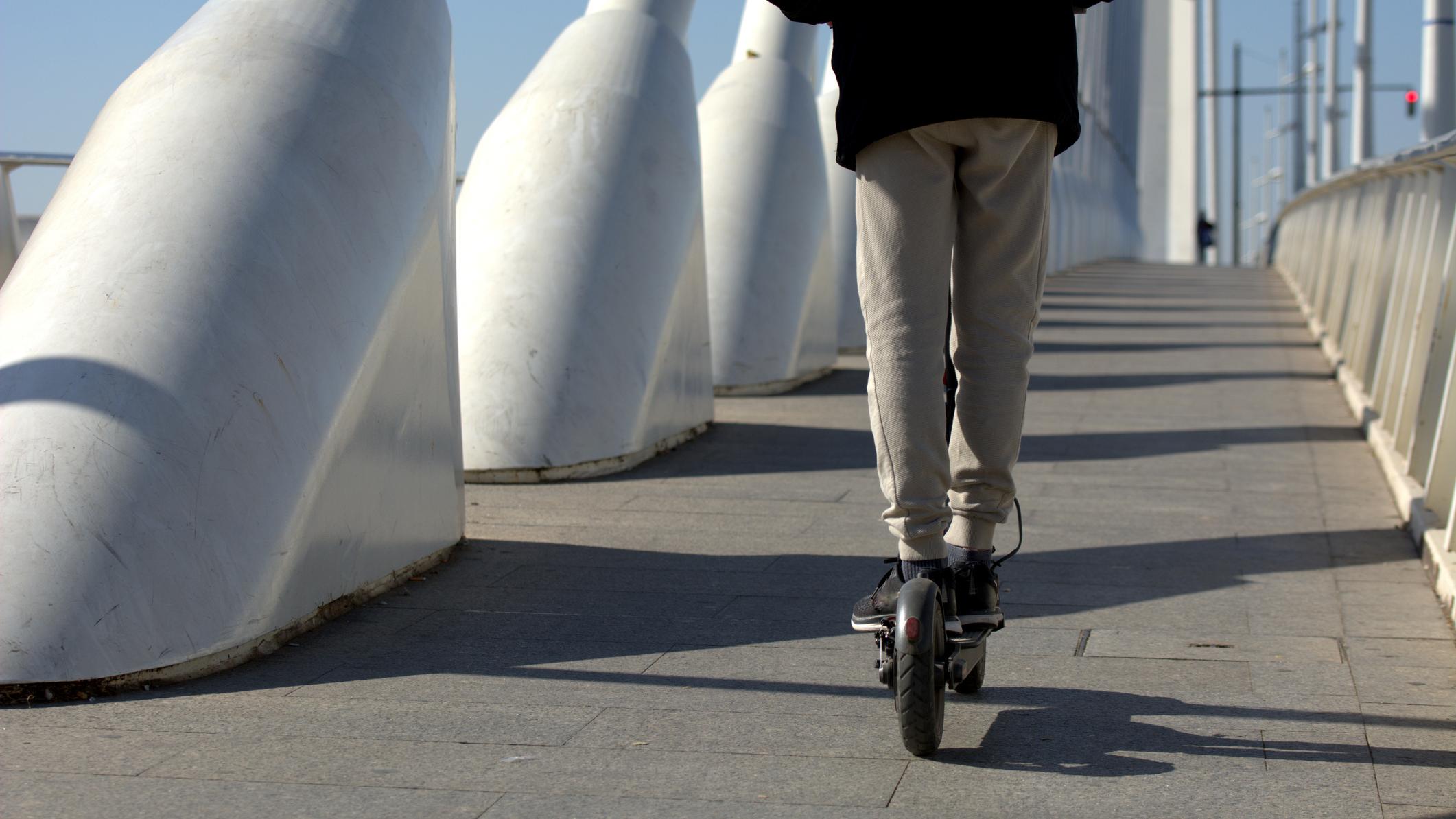
E-bike injuries showed a roughly four hundred percent relative increase during the study period, while e-scooter injuries rose almost two hundred percent among children.
Severe injuries twice as likely
Severe injuries requiring surgery or intensive care were about twice as likely when children used powered devices like e-bikes or e-scooters compared to regular bikes and scooters.
What are e-bikes and e-scooters?
E-scooters are stand-up two-wheeled devices with a powered front wheel. E-bikes are bicycles with pedals and battery-powered assist. Some e-bikes have hand throttles requiring no pedaling.
E-motos are often mislabeled
Many devices sold as e-bikes are actually e-motos, electric motorcycles capable of exceeding sixty miles per hour. In California, e-motos intended for public roads must be registered and riders must be licensed.
Most devices in schools are e-motos
Dr. Preeti Panda, a pediatric emergency room doctor at Lucile Packard Children's Hospital Stanford, found that eighty to ninety percent of electric devices in high school parking lots were e-motos, not e-bikes.
Young children lack the skills
A significant proportion of injuries involve children younger than twelve, who lack the strength, coordination and frontal lobe development to safely operate fast motorized vehicles.
“A significant proportion of these injuries are actually in kids younger than the age of 12.”
Stopping distance is much longer
E-bikes, e-scooters and e-motos require much longer stopping distances than regular bikes and scooters, so children's experience on traditional devices does not transfer to powered versions.
Researchers call for age restrictions
Dr. Schroeder says children under twelve should not ride electronic devices. Wearing motorbike helmets with facial protection rather than standard bike helmets is also recommended for these speeds.
“I don't think that children under 12 should be riding electronic devices.”
What to remember
Injuries from e-bikes among children rose roughly four hundred percent from two thousand twenty-three to two thousand twenty-six, with severe injuries twice as likely as on regular bikes, researchers say.