From TIME · Barry Levitt · · 4m
How a Marine and an Iraqi family found forgiveness
A U.S. Marine who killed an Iraqi family in 2003 spent nearly a decade seeking their forgiveness. A new film tells their extraordinary story.
In brief
A U.S. Marine who killed an Iraqi family in 2003 spent nearly a decade seeking their forgiveness. A new film tells their extraordinary story. A Marine who killed an Iraqi family in a 2003 firefight met with the survivors nearly ten years later and received their forgiveness, a story now dramatized in the film…
A family caught in crossfire
In April 2003, a family in Baghdad was caught in a firefight between U.S. Marines and Iraqi forces. Three men were killed: James Kachadoorian, and his sons Nicolas and Edmund. His wife Margaret and daughter Nora survived.
A journalist documents the encounter
Nearly ten years later, journalist Dexter Filkins reported on a meeting between one of the Marines who opened fire, Lu Lobello, and the two surviving women in Glendale, California. The article appeared in The New Yorker in 2012.
A film adaptation takes shape
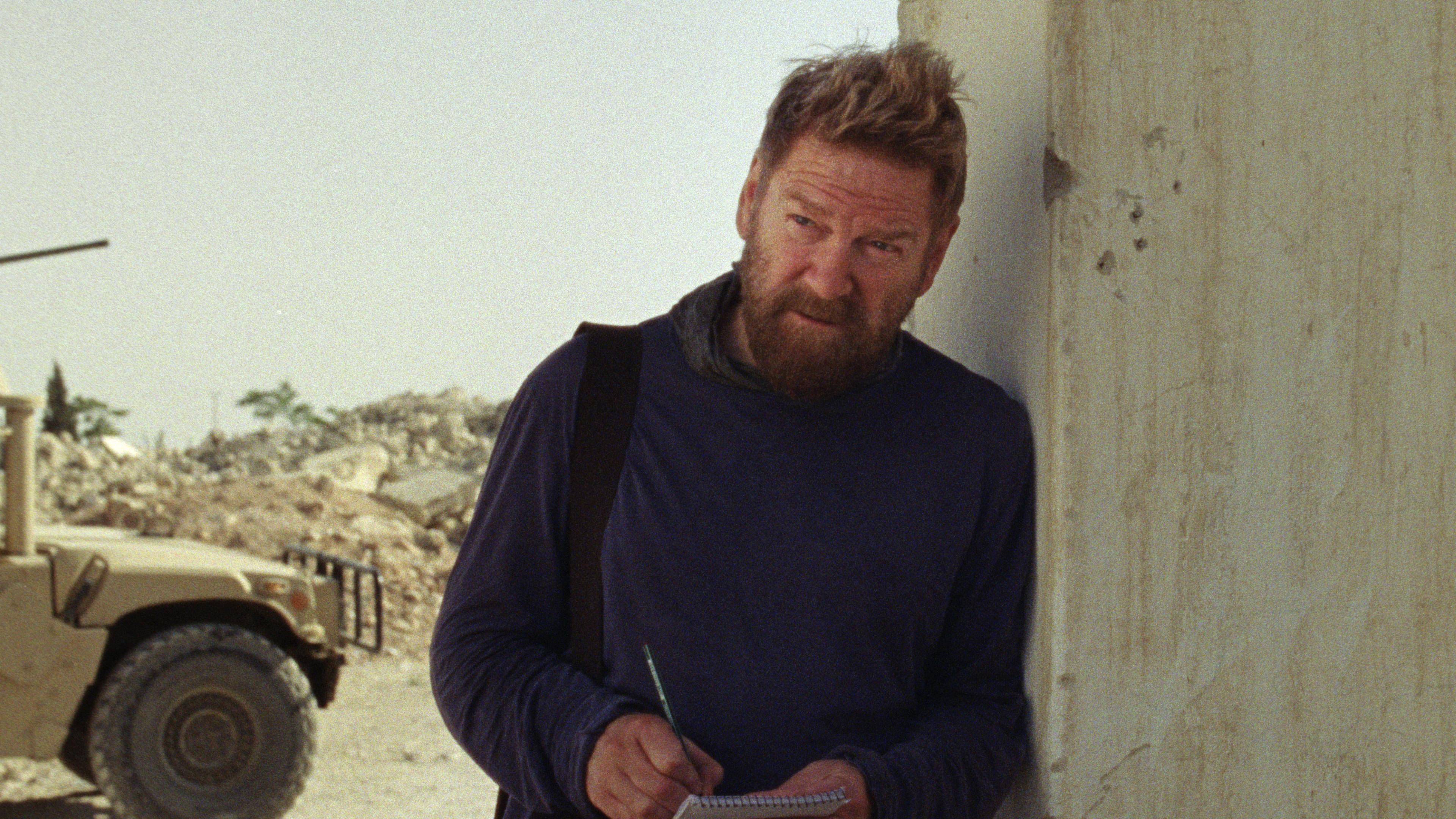
Director Reed Van Dyk read the New Yorker article the year it was published and was moved by it. After winning an Oscar for Best Live Action Short Film for DeKalb Elementary, he began developing the story into a feature film called Atonement.
“I cried through most of the article.”
Turning reportage into cinema
Van Dyk faced the challenge of adapting a twelve-page article into a two-hour film. He had to invent scenes Filkins was not present for and develop Filkins himself as a character, played by Kenneth Branagh in the film.
A different kind of war film
Atonement depicts almost no actual combat. Instead, it uses one incident from the Iraq War to explore humanity and aftermath. Van Dyk wanted to show the Iraqi perspective, not the American one typically seen in Hollywood films about war.
Lobello reaches out after a decade
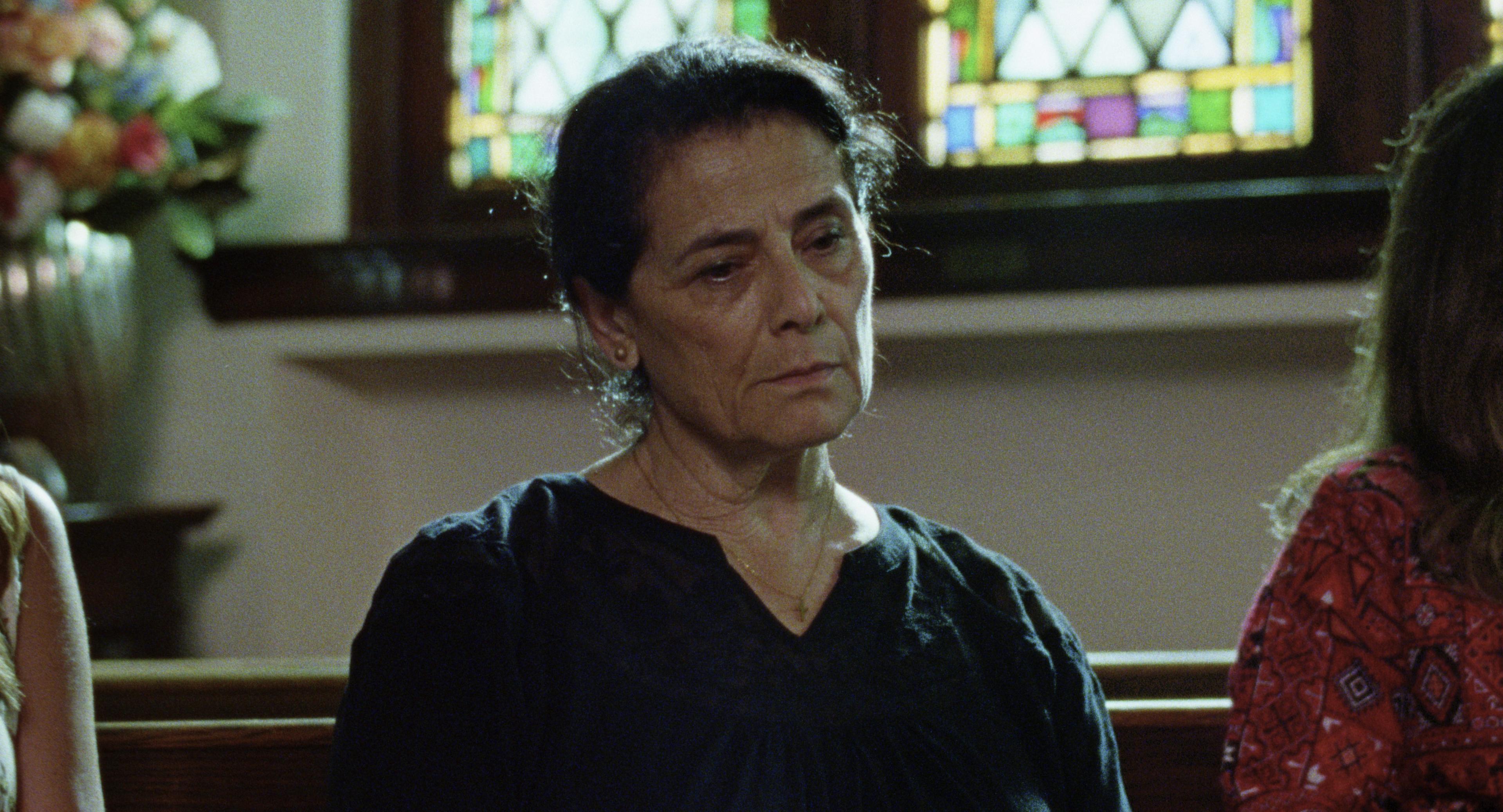
In March 2012, Lu Lobello contacted Dexter Filkins on Facebook, saying he had been trying to reach him for a decade. Lobello said Filkins could ease his PTSD and asked him to help connect with the Kachadoorians so he could apologize.
“You could ease my PTSD.”
The family agrees to meet
Lobello had already found the Kachadoorians on Facebook. When asked to facilitate a meeting, Margaret said the family would grant forgiveness. She explained that God ordered them to forgive, even those who killed their loved ones.
“If he is asking for forgiveness, then we will give him forgiveness.”
The meeting in July 2012
On a Saturday in July 2012, Lobello met Margaret and Nora in Glendale. He burst into tears immediately. The conversation was tense, and while forgiveness was granted, the day ended without a sense of true resolution, though progress had been made.
A message of connection
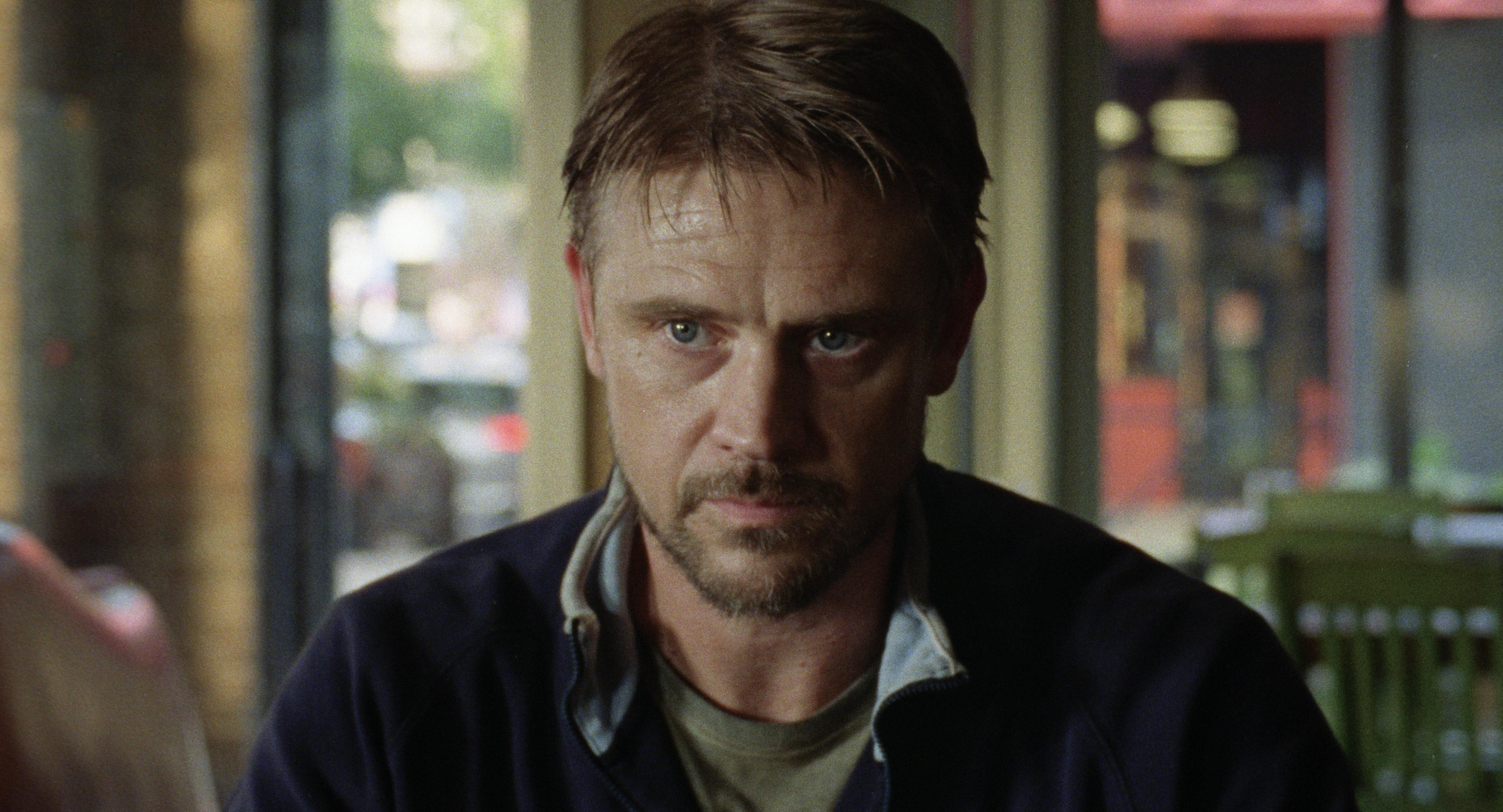
Several days after the meeting, Nora sent Lobello a Facebook message saying she felt happy when he visited. She said she felt she got a third brother and a third son to her mother, suggesting a new bond had formed between them.
Van Dyk's deep research
To capture the emotional depth of the encounter, Van Dyk spoke to Lobello, the Kachadoorian family, marines, and Iraqi civilians. He traveled to Baghdad with his director of photography and drew from books, documentaries, and films to inform his vision.
Margaret's conflicting vision
During dinners with the Kachadoorian family, Margaret told Van Dyk something that became central to the film: sometimes she sees her son in Lobello, and sometimes she sees the man who took her son. This complexity shaped the film's emotional core.
“Sometimes I look at him and I see my son, and sometimes I look at him and I see the man who took my son.”
The power of holding space
Van Dyk says Atonement pushes back on media narratives about other countries and expands empathy for people audiences might never meet. The film shows something rare: people willing to sit together across the divide of war and forgive one another.
“It's rare that there are opportunities to make amends.”
The one thing
A Marine who killed an Iraqi family in a 2003 firefight met with the survivors nearly ten years later and received their forgiveness, a story now dramatized in the film Atonement.