From The Conversation · Reuven Kimelman · · 1m 50s
Why Yom Kippur ends with repair, not just regret
Judaism's holiest day culminates in prayers that tie forgiveness from God to making amends with people you've wronged.
In brief
Judaism's holiest day culminates in prayers that tie forgiveness from God to making amends with people you've wronged. Yom Kippur teaches that you can't be forgiven by God until you've made peace with the people you hurt. Originally reported by The Conversation.
Ten days to be inscribed
The High Holidays span from Rosh Hashanah to Yom Kippur, when Jews pray to be inscribed in the Book of Life for health, livelihood, and moral growth in the year ahead.
The gates close at sunset
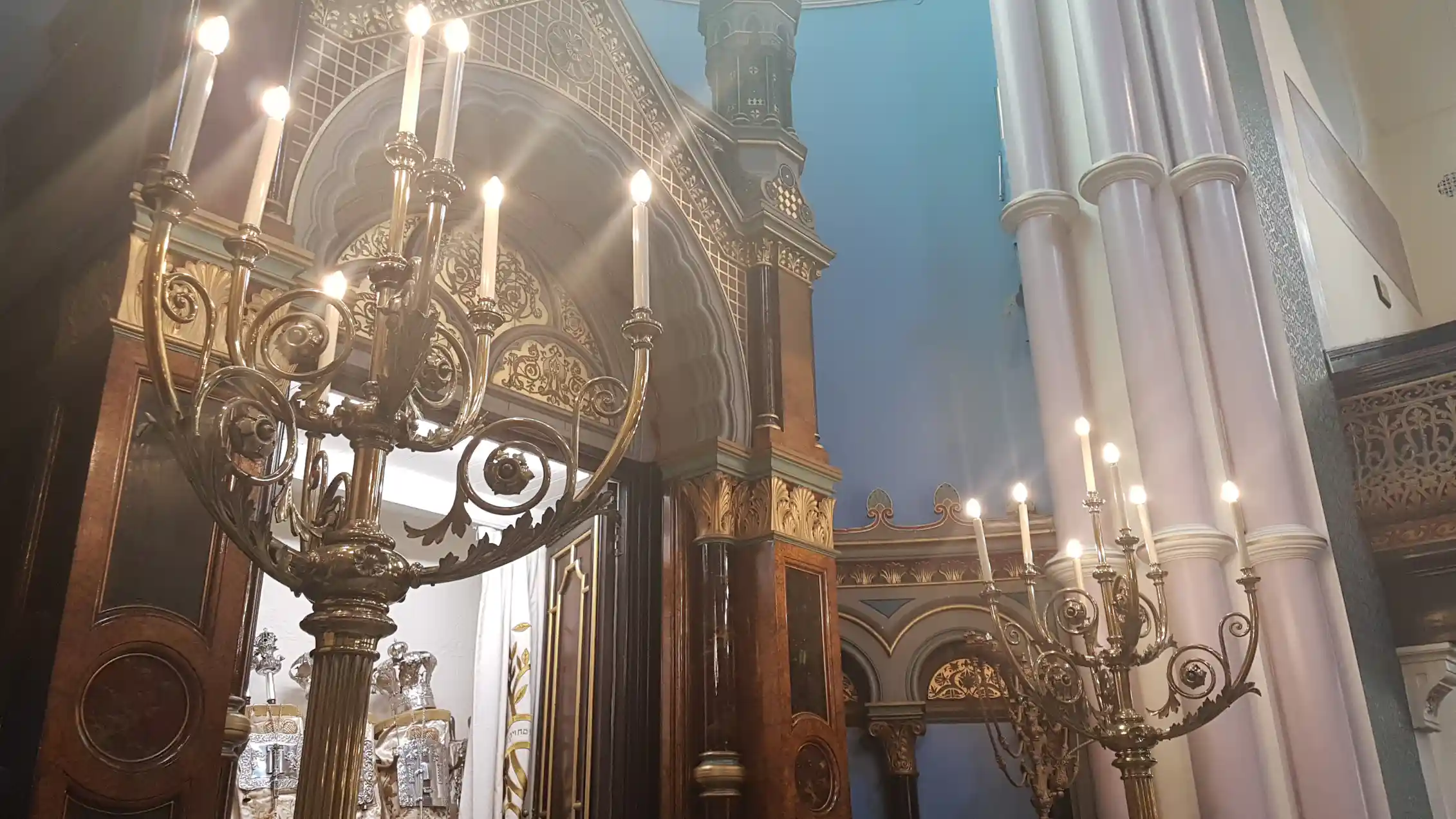
Yom Kippur culminates in Ne'ilah, the final service at sunset, when the Book of Life is sealed and each person's fate for the coming year is decided. The Torah ark stays open as worshippers make their last pleas.
Confession focuses on harmful speech
The confessional prayer, recited up to ten times during Yom Kippur, emphasizes ethical sins especially abusive speech like slander and slurring. This reflects Judaism's belief that humans are made in God's image, so wronging others offends God.
Ne'ilah adds a unique prayer
The closing service includes one prayer not used elsewhere, focusing on fraud and returning stolen goods. It emphasizes that repentance requires returning what you owe others emotionally, spiritually, and materially.
“Let everyone repent of their evil way by giving back the stolen goods in their hands.”
God's outstretched hand waits
The prayer depicts God extending an inviting hand to sinners, but God cannot offer reconciliation until the penitent has first reconciled with the people they wronged.
“You give space to the sinner, but You extend Your right hand to penitents.”
Forgiveness requires amends first
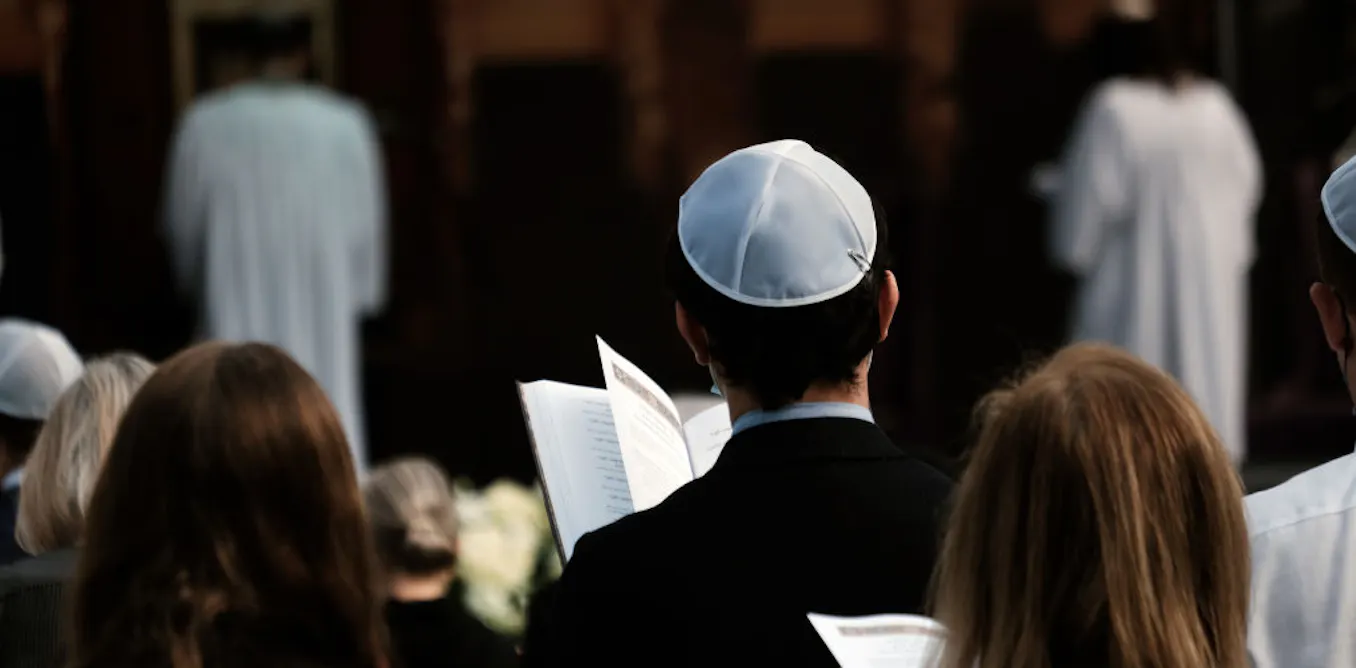
Jewish tradition holds that God won't forgive you for a sin unless you've made amends with the person you wronged. During the Days of Awe before Yom Kippur, Jews are taught to ask each other for forgiveness.
Repent and live up to greatness
Rather than shame people into repentance, Ne'ilah appeals to humanity's divine potential. The message is simple: live up to your greatness as a being made in God's image by repairing what you've broken.
“You have distinguished humanity from the beginning, privileging it to stand before You.”
Here's the gist
Yom Kippur teaches that you can't be forgiven by God until you've made peace with the people you hurt.





