From TIME · Rebecca Schneid · · 3m
How Israel will choose its next Prime Minister
President Herzog taps Gadi Eisenkot to form a government, but Netanyahu could still stay in power if coalition talks fail.
In brief
President Herzog taps Gadi Eisenkot to form a government, but Netanyahu could still stay in power if coalition talks fail. Israeli President Isaac Herzog tasked Gadi Eisenkot with forming the next government on Sunday, beginning a months-long process that could leave Benjamin Netanyahu in power. Originally reported by…
Herzog picks Eisenkot to lead
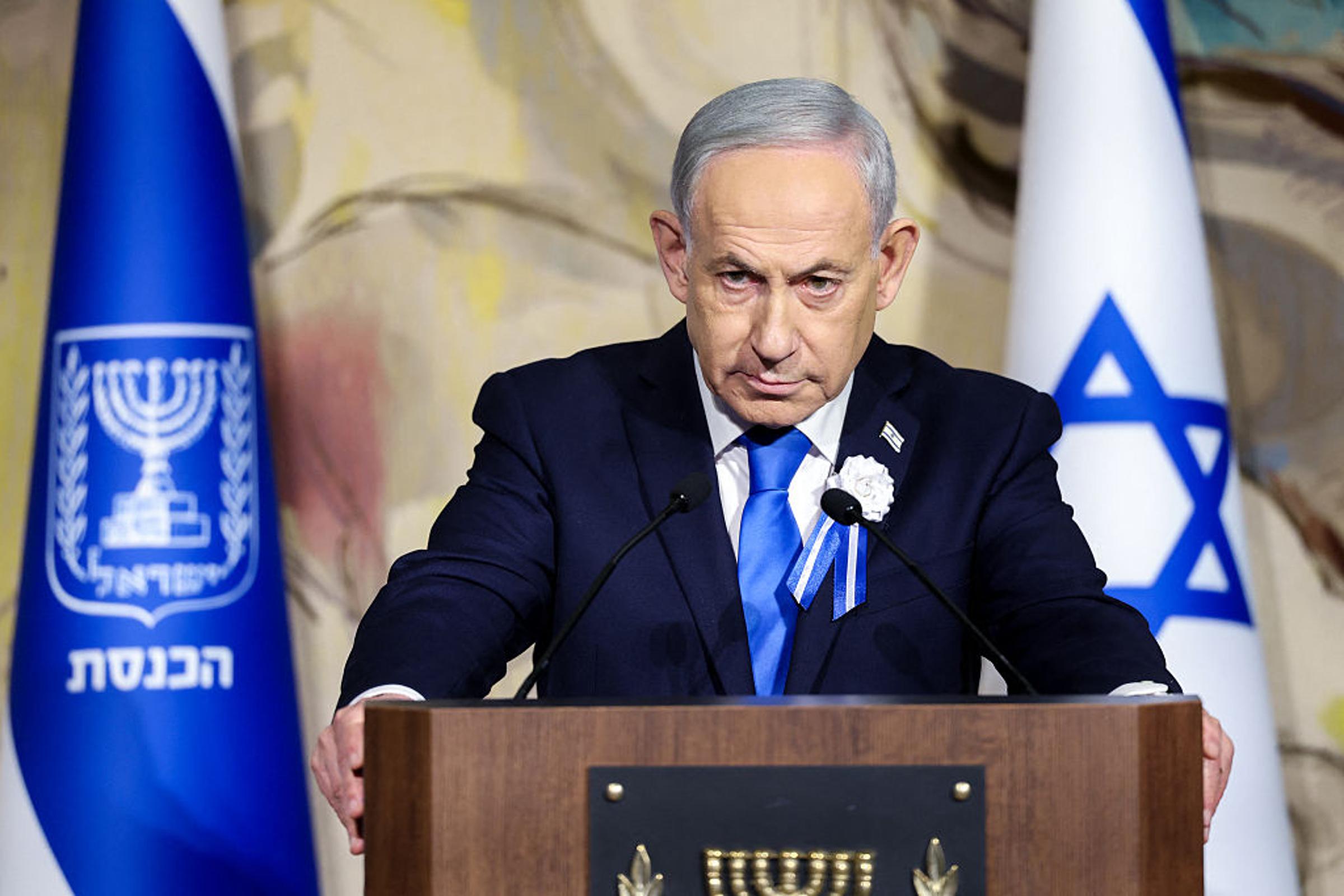
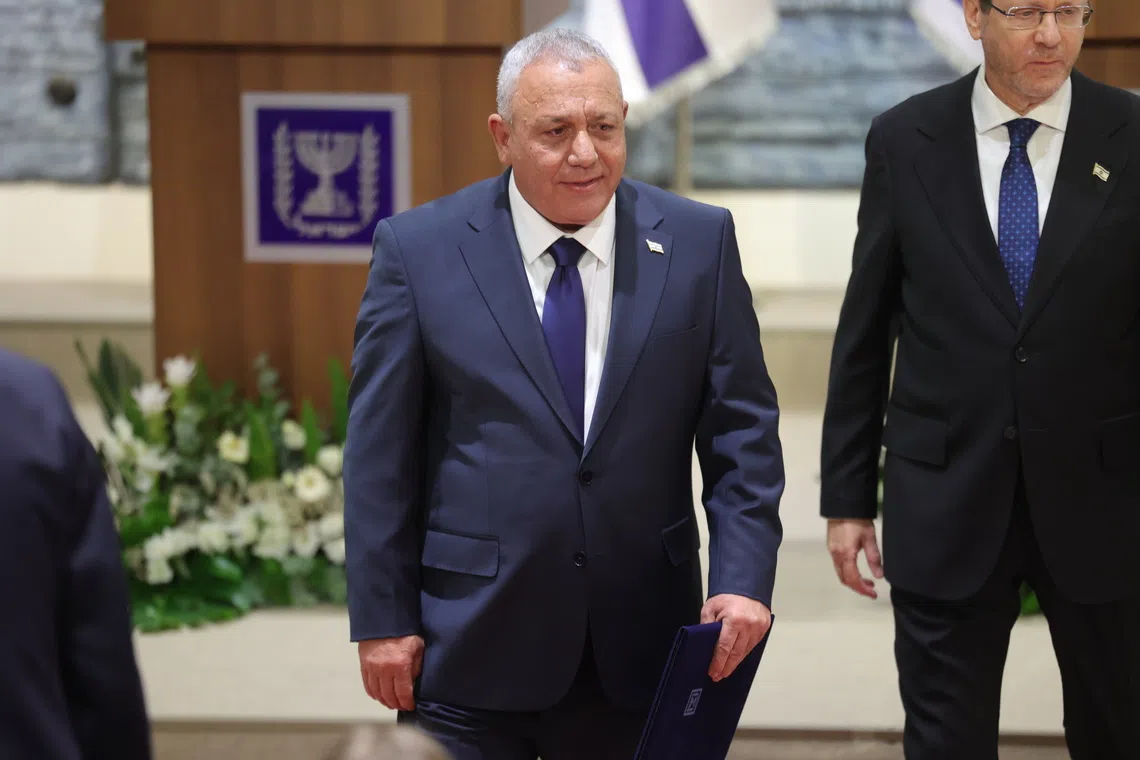
Israeli President Isaac Herzog tasked Gadi Eisenkot, a former military chief and leader of the center-right Yashar party, with forming the country's next government on Sunday.
The timeline for coalition building
Eisenkot has twenty-eight days through December sixth, with a possible fourteen-day extension, to assemble a government that can win the confidence of the Knesset, Israel's parliament.
What the election decided
In last month's election on October twenty-seventh, no party bloc secured the sixty-one seats needed to form a majority in the one hundred twenty-seat parliament.
How Israeli voters cast ballots
Israeli citizens vote for political parties, not specific candidates. Each party is then allotted representatives in the Knesset based on the percentage of votes it received.
The seat count after the election
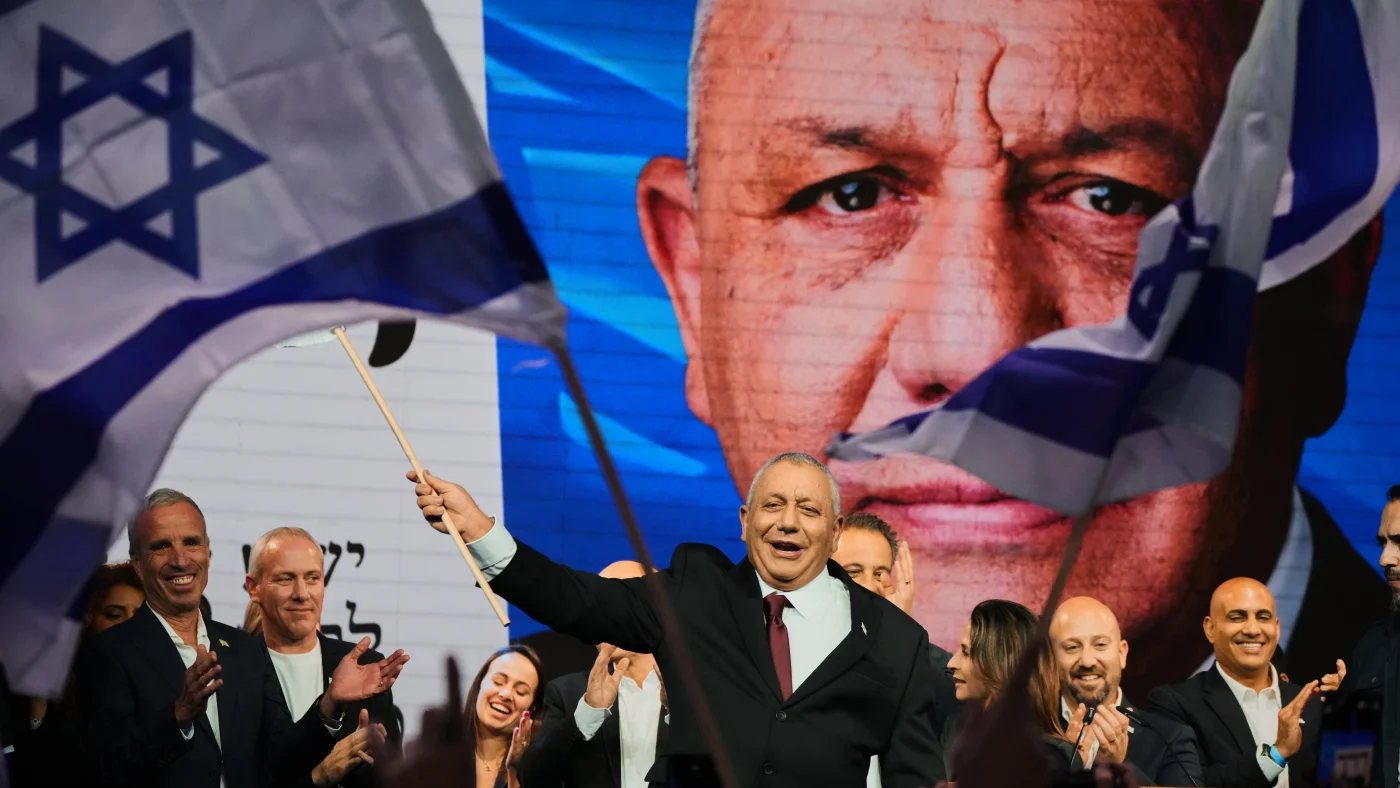
Netanyahu's Likud party and its far-right and ultra-Orthodox allies secured fifty-three seats. Eisenkot's four Jewish-led parties earned forty-eight. Two Arab-led parties hold the remaining nineteen.
Why Eisenkot was chosen over Netanyahu
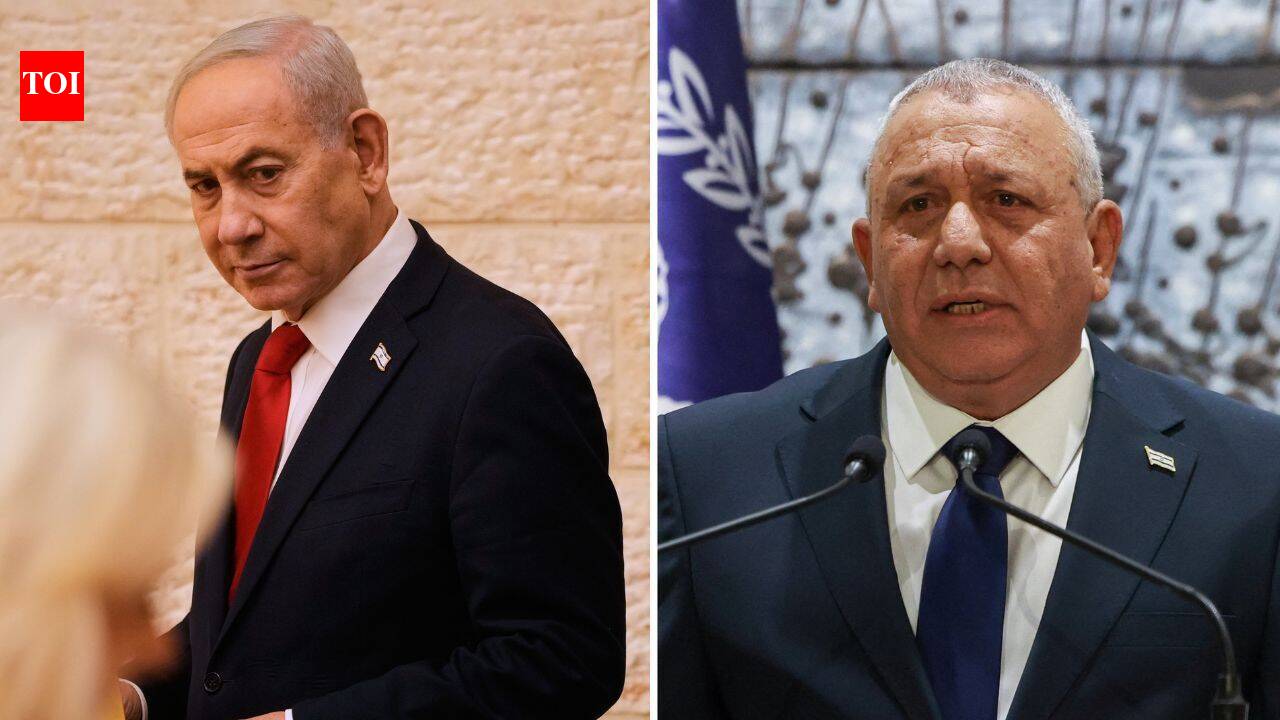
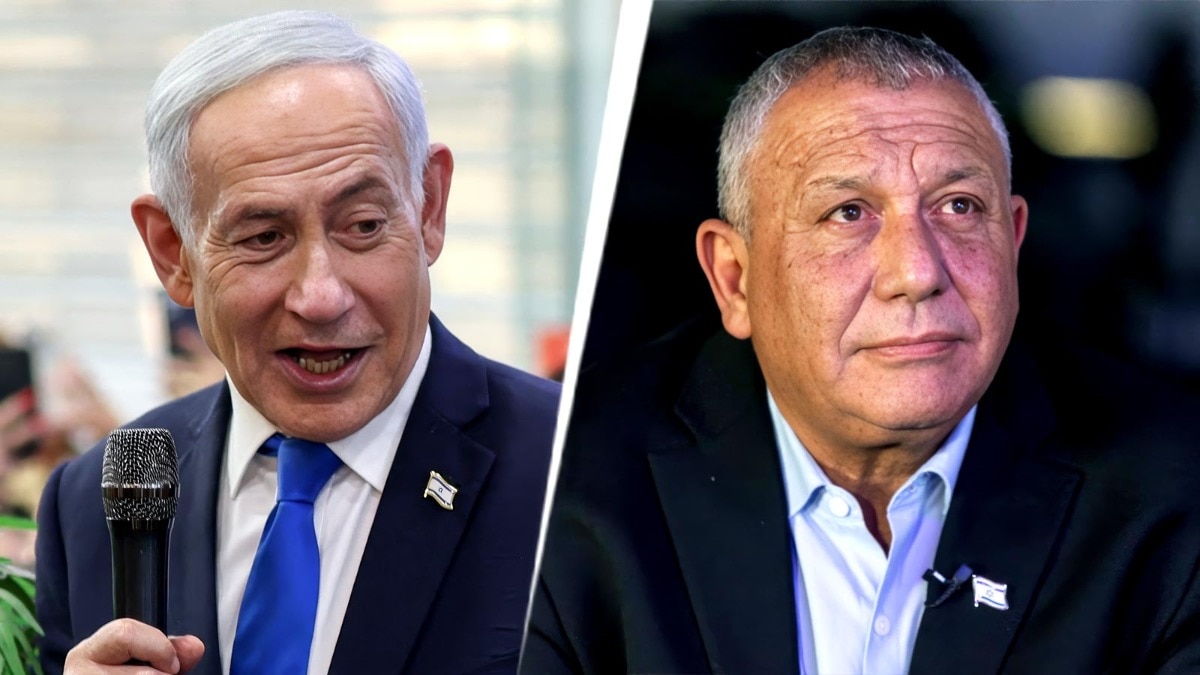
Although Netanyahu's party won the most votes, sixty-seven out of one hundred twenty Knesset members endorsed Eisenkot to Herzog, while only forty-six endorsed Netanyahu.
The voter preference behind the choice
More Israelis voted for parties that oppose Netanyahu than voted for parties that support him. A majority of voters backed parties seeking to replace Netanyahu.
“More Israelis voted for parties that oppose Netanyahu than voted for parties that support Netanyahu.”
The Arab-led parties hold the balance
The clearest path to government for Eisenkot would be securing support from the two Arab-led parties, the Joint List and Ra'am, to gain their nineteen seats.
Opposition within Eisenkot's own bloc
Some of Eisenkot's backing parties oppose forming a governing coalition with Arab-led parties. Naftali Bennett and Avigdor Lieberman, nationalist leaders, both reject the idea.
Arab parties could support from outside
Arab-led parties can pledge support from outside the coalition, voting alongside Eisenkot to give him a majority without formally joining his government.
Eisenkot's demands for coalition partners
On October thirty-first, Eisenkot outlined four core demands for any political faction joining his national emergency government, including a mandate of national service for all Israelis.
Netanyahu remains in power for now
Netanyahu will remain by default at the head of the outgoing government while Eisenkot works to form a coalition. He is also free to make his own coalition outreach efforts.
What happens if Eisenkot fails
If Eisenkot cannot form a coalition in the allotted time, Herzog can choose another Knesset member to try, such as Netanyahu, or declare no path forward exists.
The cycle of failed coalitions
If no candidate succeeds, the Knesset is automatically dissolved and elections must take place within ninety days. Between two thousand nineteen and two thousand twenty-two, Israel held five elections.
Netanyahu's path back to power
If given the chance, Netanyahu would face an uphill battle. Eisenkot and his allies have vowed not to sit in government with him and accused him of ignoring warnings ahead of October seventh attacks.
Bennett and Lieberman hold the deciding votes
While the contest may hinge on Eisenkot and Netanyahu's persuasive powers, leaders like Bennett and Lieberman could ultimately decide who governs Israel through their coalition choice.
The headline
Israeli President Isaac Herzog tasked Gadi Eisenkot with forming the next government on Sunday, beginning a months-long process that could leave Benjamin Netanyahu in power.