From TIME · Sarah Klein · · 3m
The 5 best strength exercises for people over 50
Starting at 30, you lose muscle every decade. Here's how to fight back and stay independent.
In brief
Starting at 30, you lose muscle every decade. Here's how to fight back and stay independent. Strength training twice a week with just one to three sets of six to fifteen reps can prevent muscle loss, maintain independence, and reduce injury risk as you age. Originally reported by TIME.
Muscle loss starts at 30
You lose 3 to 5 percent of lean muscle per decade starting at age 30. Most people don't notice until around 60, when daily activities become harder.
Strength training fights back
Building muscle through strength training prevents frailty, falls, and loss of independence. It also builds bone density and protects you if you do stumble.
Why strength train after 50
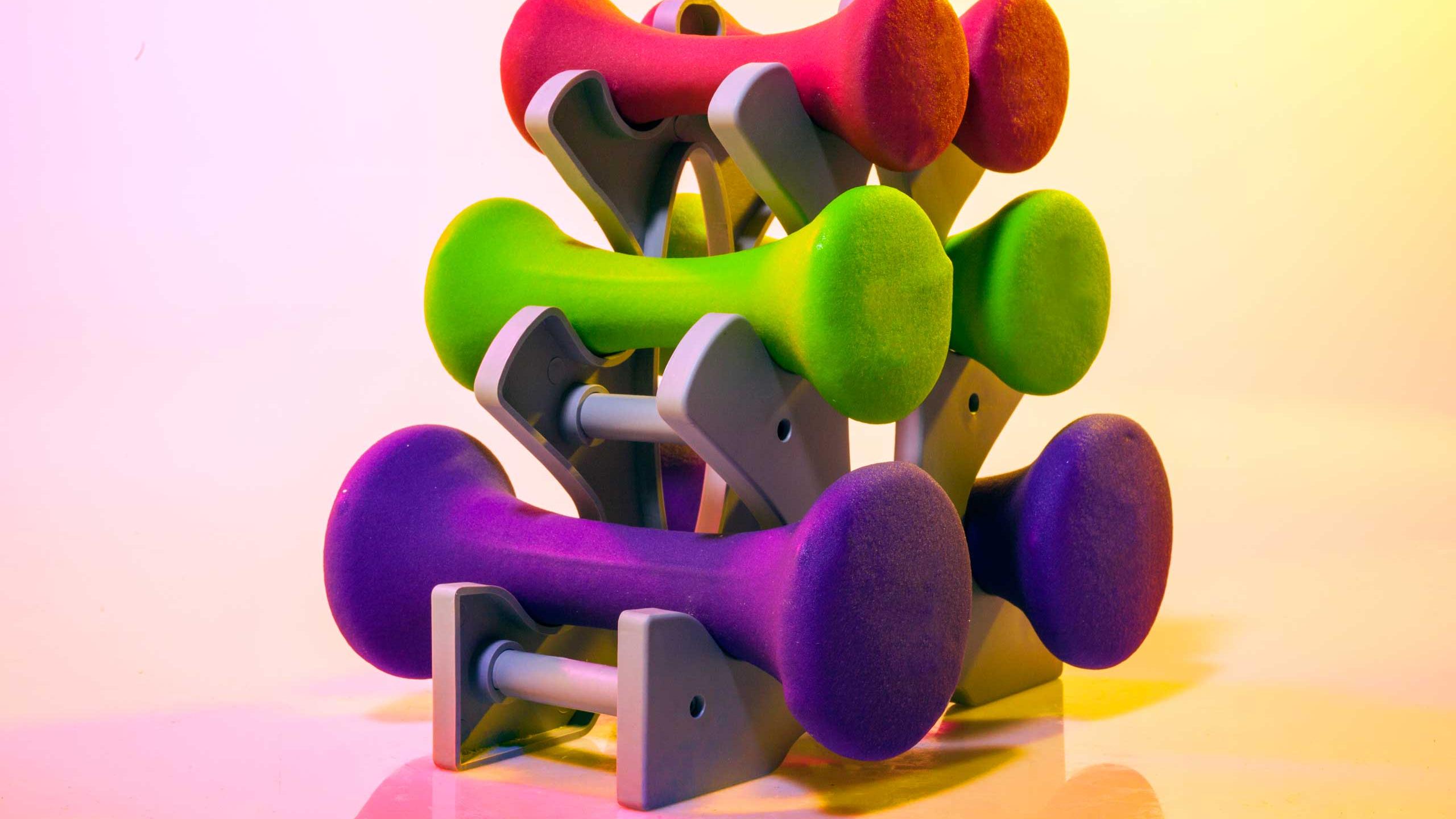
Strength training keeps you independent. You'll be able to get off the toilet, pick things up off the floor, and carry groceries without help.
“Do you ever want there to be a time where you can't get off the toilet?”
Start small and consistent
One to three sets of six to fifteen reps is beneficial. The key is doing it at least twice a week, whether you're picking up grandchildren or improving athletically.
Get professional guidance first
Check with your doctor before starting. A certified personal trainer can modify movements for your circumstances and help you progress safely.
Goblet squat
This squat variation works your quads, hamstrings, glutes, and core. It's the movement you need to stand up from sitting, which you'll want to do your whole life.
How to do a goblet squat
Stand with feet wider than shoulder-width apart, holding a dumbbell at your chest. Push hips back and bend knees until thighs are parallel to the floor, then press back up. Aim for six to fifteen reps.
Sitting-rising test
Sit down and stand up from the floor without using your hands. This works lower-body muscles and core while improving mobility and balance. A 2026 study found people who could do this had four times lower death risk.
Seated overhead press
This movement helps you put dishes on high shelves and stow luggage overhead. Sit on a bench, press dumbbells from shoulder height straight up, then lower. Aim for six to fifteen reps.
Kickstand Romanian deadlift
Stand on one foot with the other foot lightly touching the floor behind you. Hold a weight in the opposite hand and hinge at the hips to lower it. This helps you pick things up safely. Aim for six to fifteen reps per side.
Bear crawl hold
Get on hands and knees, then lift your knees a few inches off the floor and hold for 10 to 60 seconds. This core exercise improves balance and prevents falls. It also strengthens your pelvic floor.
Progress at your own pace
Start with modifications like step-downs instead of squats or lateral raises instead of overhead presses. As you get stronger, progress to harder variations like bench press or single-leg deadlifts.
It's never too late to start
Your days of 18-inch box jumps may be over, but you can do a 6-inch box jump and work up to 12 inches. Consistency matters more than intensity.
“It's just like eating your vegetables: You just have to keep doing it, and you'll be better for it.”
At a glance
Strength training twice a week with just one to three sets of six to fifteen reps can prevent muscle loss, maintain independence, and reduce injury risk as you age.