From TIME · Alana Semuels · · 4m
The risky boom in cut-price weight-loss drugs
Compounding pharmacies are flooding the market with cheaper versions of GLP-1 drugs, but with far less oversight than brand-name alternatives.
In brief
Compounding pharmacies are flooding the market with cheaper versions of GLP-1 drugs, but with far less oversight than brand-name alternatives. An estimated five million Americans use compounded GLP-1 weight-loss drugs from less-regulated pharmacies instead of brand-name versions, raising safety concerns as the market…
A cheaper alternative with consequences
Diane Kinkade, seventy-two, got a compounded tirzepatide prescription from a telehealth site for two hundred fifty dollars a month instead of three hundred ninety-nine dollars through the brand-name maker.
The switch that made her sick
When the telehealth site switched compounding pharmacies, Kinkade experienced severe side effects: brain fog, nausea, diarrhea, and exhaustion so bad she could barely get up from the couch.
“I could barely get up from the couch for a week”
Eli Lilly's legal position
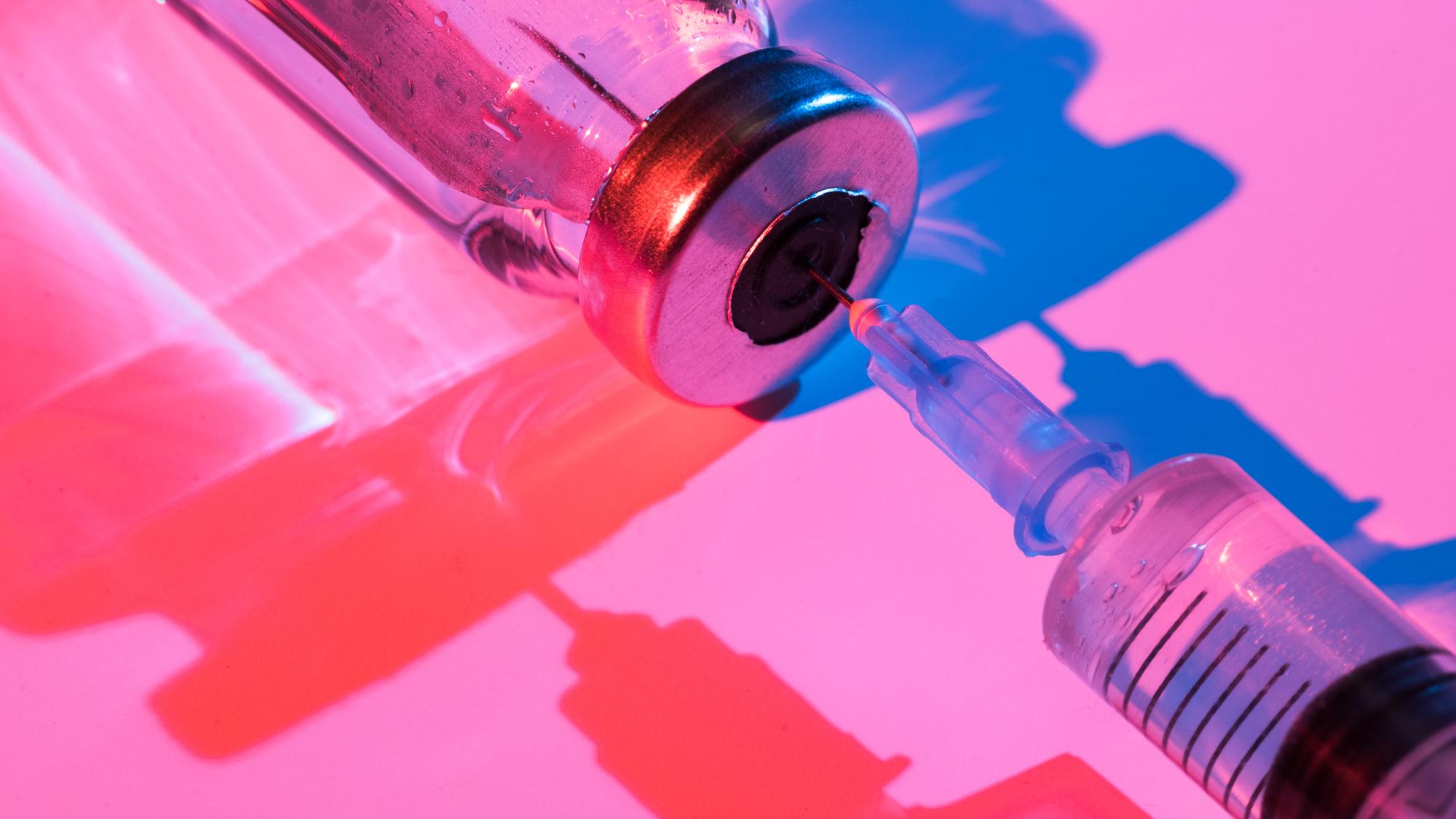
Eli Lilly says it is the only lawful supplier of FDA-approved tirzepatide in the United States. The company's patent does not expire until twenty thirty-six.
How many use compounded versions
An estimated five million people are using compounded GLP-1s in the United States, according to a Gallup poll released in July. Nearly one in five GLP-1 users chooses compounding pharmacies.
Peptides could expand the market further
In July, an FDA committee decided compounding pharmacies should be allowed to prepare six peptides for consumers. The FDA has not yet decided whether to adopt the recommendations.
What compounding pharmacies do
Compounding involves preparing customized medication for a specific patient's needs. For much of U.S. history, pharmacists had to mix individual medicines themselves.
Two types of compounding pharmacies
Section five zero three A pharmacies, called five zero three As, are regulated by state boards and serve individual patients.
The New England tragedy
In twenty twelve, the New England Compounding Center mass-produced contaminated steroid injections in an unsanitary facility. Dozens of people died. The owner was convicted of racketeering.
How GLP-1 compounding started
When Zepbound, Wegovy, and Mounjaro hit the market, there were shortages. Physicians asked five zero three As to make compounded versions with prescriptions to help their patients.
The regulatory breakdown
Congress created five zero three Bs in twenty thirteen expecting five zero three As to stop mass-producing drugs. But five zero three As continued anyway, and telehealth sites began advertising cheap compounded GLP-1s.
Why pharmacies embraced compounding
Independent pharmacies were struggling as consumers bought more medications online. Compounding GLP-1s provided cash revenue without dealing with pharmacy benefit managers who reimburse poorly.
How easy it is to get compounded drugs
Kinkade filled out a form with her weight and current medications, asked for tirzepatide, and received it within a couple of days. Out of forty-five telehealth websites studied, only six offered brand-name drugs.
The legal gray area
Compounding pharmacies add extra ingredients like vitamin B twelve to distinguish their products from brand-name drugs.
FDA enforcement begins
In September, the FDA issued its first warning letter to a compounding pharmacy for making copies of FDA-approved GLP-1 drugs. The agency said it will continue taking action to protect patients.
Why drugmakers don't sue compounders
Eli Lilly and Novo Nordisk have sued telehealth sites but hesitated to sue compounding pharmacies. Patent lawsuits are extremely expensive and difficult to win, especially with valid prescriptions.
Safety concerns from research
A twenty twenty-five study in Expert Opinion on Drug Safety found people taking compounded GLP-1s had worse side effects including abdominal pain, diarrhea, and nausea than brand-name users between twenty eighteen and twenty twenty-four.
The manufacturing standards gap
Compounding pharmacies are not required to follow current good manufacturing practices like brand-name makers. They don't have the same quality control processes that FDA-approved drugs undergo.
Some compounders take extra steps
Lawrence Rossetti, CEO of Drug Crafters in Texas, says his pharmacy tests raw materials before ordering and tests finished products for potency, sterility, and endotoxin before sending to patients.
Kinkade's path to brand-name drugs
After lowering her compounded dose on her own, Kinkade's side effects stopped. At her annual checkup, her doctor was impressed by her weight loss and glucose numbers, and finally agreed to prescribe brand-name GLP-1.
What to remember
An estimated five million Americans use compounded GLP-1 weight-loss drugs from less-regulated pharmacies instead of brand-name versions, raising safety concerns as the market expands.





