From TIME · Judy Berman · · 3m
VisionQuest ends Marvel's trilogy with conventional spectacle
The final WandaVision installment prioritizes action over character, repeating MCU backstory at the expense of the stylistic innovation that made its predecessors work.
In brief
The final WandaVision installment prioritizes action over character, repeating MCU backstory at the expense of the stylistic innovation that made its predecessors work. VisionQuest, the third WandaVision installment, abandons the stylistic innovation of its predecessors for conventional action thriller storytelling…
WandaVision started strong
WandaVision launched Disney Plus's Marvel venture in two thousand twenty-one with huge audiences and near-unanimous critical praise. The high-concept miniseries placed Wanda Maximoff and Vision in retro sitcoms.
But it ended predictably
WandaVision concluded with the same predictable, digitally enhanced battle as every other M C U mediocrity. Disney has since pared back its small-screen Marvel offerings.
VisionQuest demands MCU knowledge
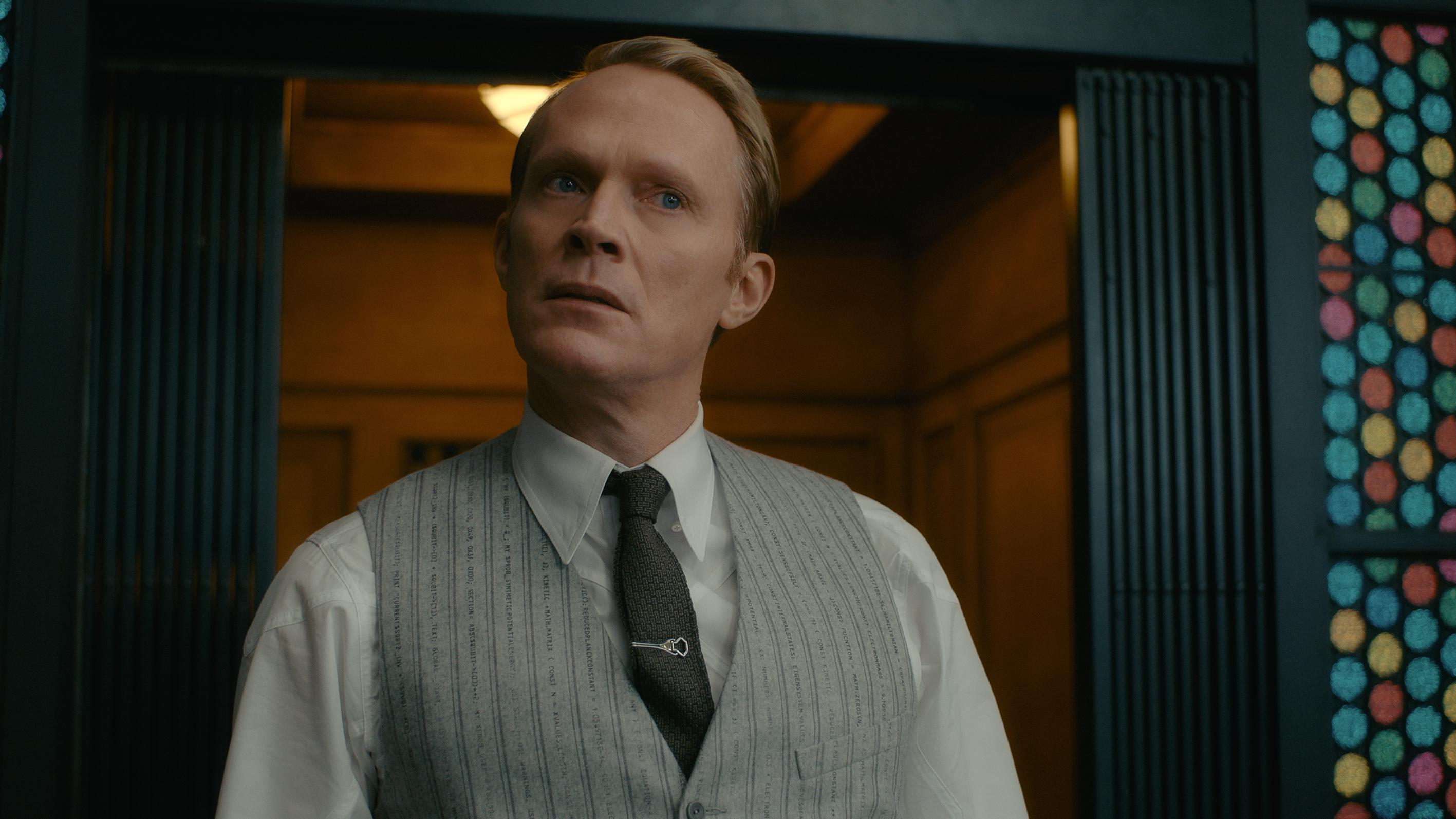
VisionQuest, the final WandaVision trilogy installment, opens with Paul Bettany narrating Vision's entire M C U storyline from his creation by Ultron through his resurrection as Wanda's projection.
It introduces more backstory
The show introduces anthropomorphized A I s including Orla Brady's F R I D A Y, Emily Hampshire's E D I T H, and James D'Arcy's J A R V I S, each with their…
Vision loses his emotions
After being annihilated when Wanda's grief fantasy collapsed, Vision is rebuilt with the same body but a different mind.
He hides as a Scottish barkeep
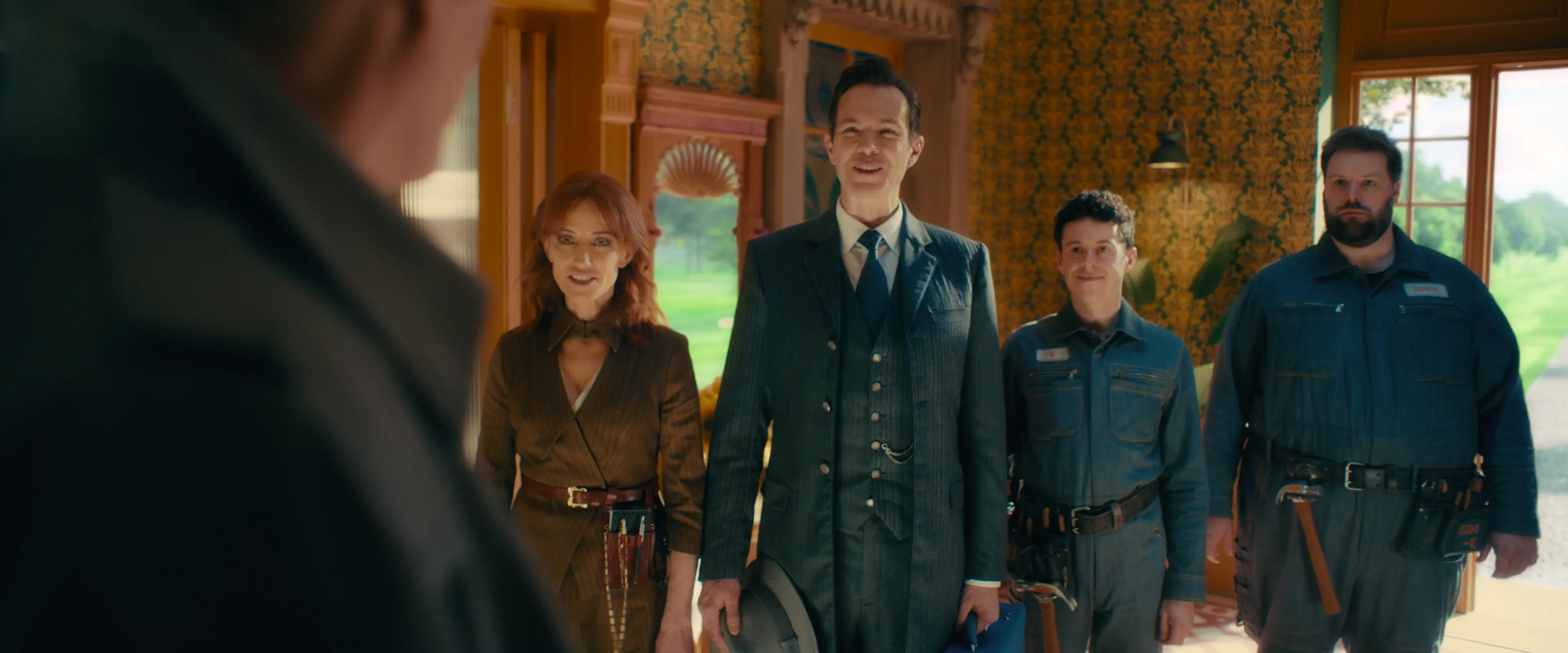
In the physical world, Vision hides as a human barback at a Scottish pub with relevance to Wanda-Vision romance lore.His more vivid existence is a life of the artificial mind in a virtual country estate.
Vision keeps Ultron imprisoned
Vision makes a potentially catastrophic choice to keep Ultron alive, imprisoned in an isolated tower in his memory palace. A bounty hunter named Paladin is hired to apprehend Vision, disrupting his ennui.
The show prioritizes action over ideas
Created by Terry Matalas, VisionQuest loads up on weighty themes like fathers and sons and artificial intelligence. Yet it spends more time crafting action spectacles than developing characters or ideas.
Bettany and Spader shine

Paul Bettany's protean acting chops showcase his range throughout the series. Bettany and James Spader, a consummate cerebral villain, are great together, though the Mindspace characters are more vividly portrayed than flesh-and-blood humans.
It abandons stylistic innovation
As a capstone to a stylistically innovative trilogy, VisionQuest falls short aesthetically. WandaVision had sitcom riffs and Agatha All Along had witchy feminine tropes, but VisionQuest is essentially a techy action thriller.
The trilogy lacks vision
Disney Plus was meant to deepen Marvel's universe, keeping favorite characters active between movies. But a crucial ingredient has been missing from much of that content. Ironically enough, it's vision.
“Ironically enough, it's vision.”
What to remember
VisionQuest, the third WandaVision installment, abandons the stylistic innovation of its predecessors for conventional action thriller storytelling weighed down by required MCU backstory.





