From TIME · Veronique Greenwood · · 1m 30s
Walking faster may reverse frailty
A new study shows brisk walking helps older adults improve their frailty scores more than leisurely strolls.
In brief
A new study shows brisk walking helps older adults improve their frailty scores more than leisurely strolls. Research published in PLOS ONE found that older people who walked at high intensity improved their frailty scores more than those who walked casually, suggesting vigorous exercise can safely reverse age-related…
What frailty really means
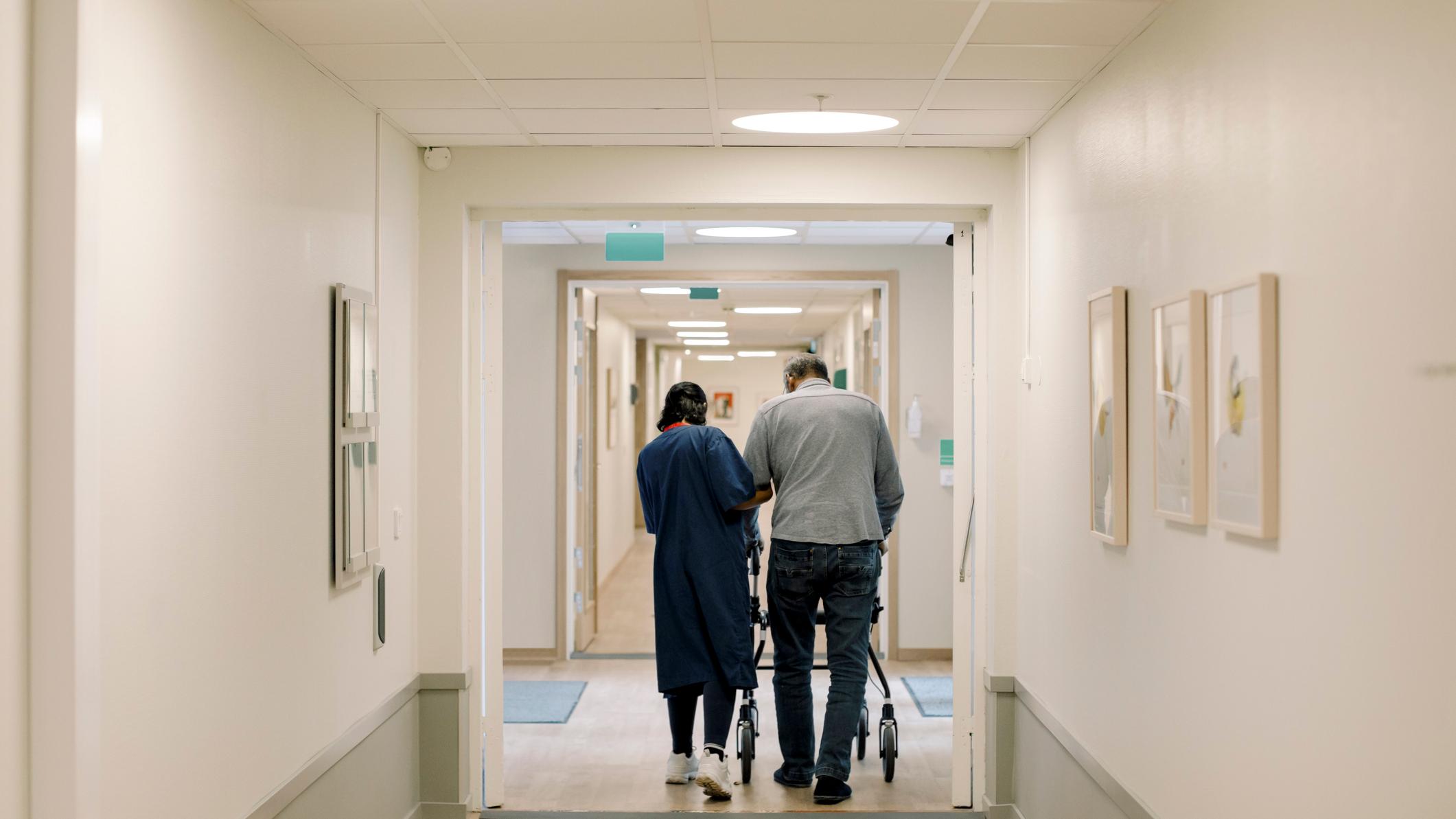
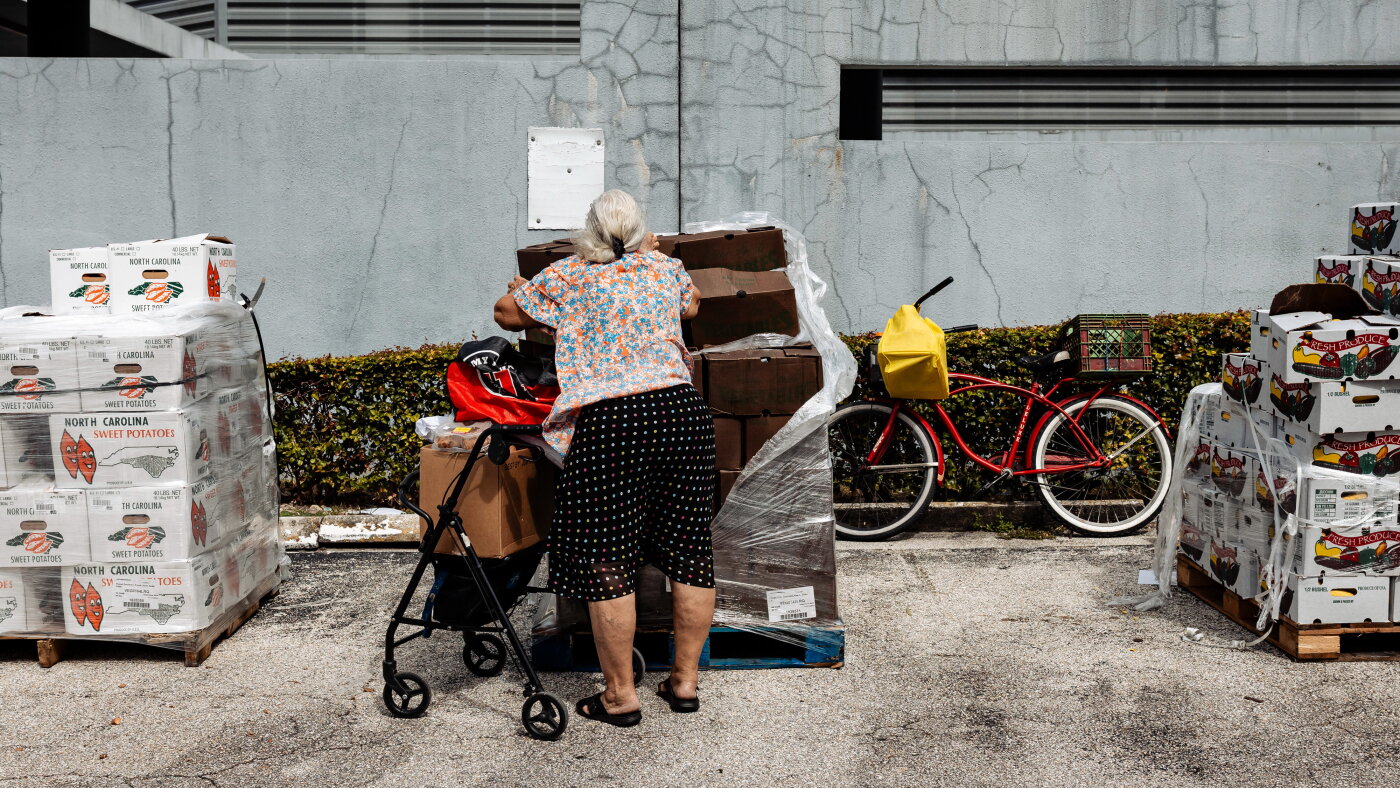
Frailty is a medical syndrome where people face higher risks of complications after surgery, swift decline after infections or falls, and slow walking speed.
How doctors measure it
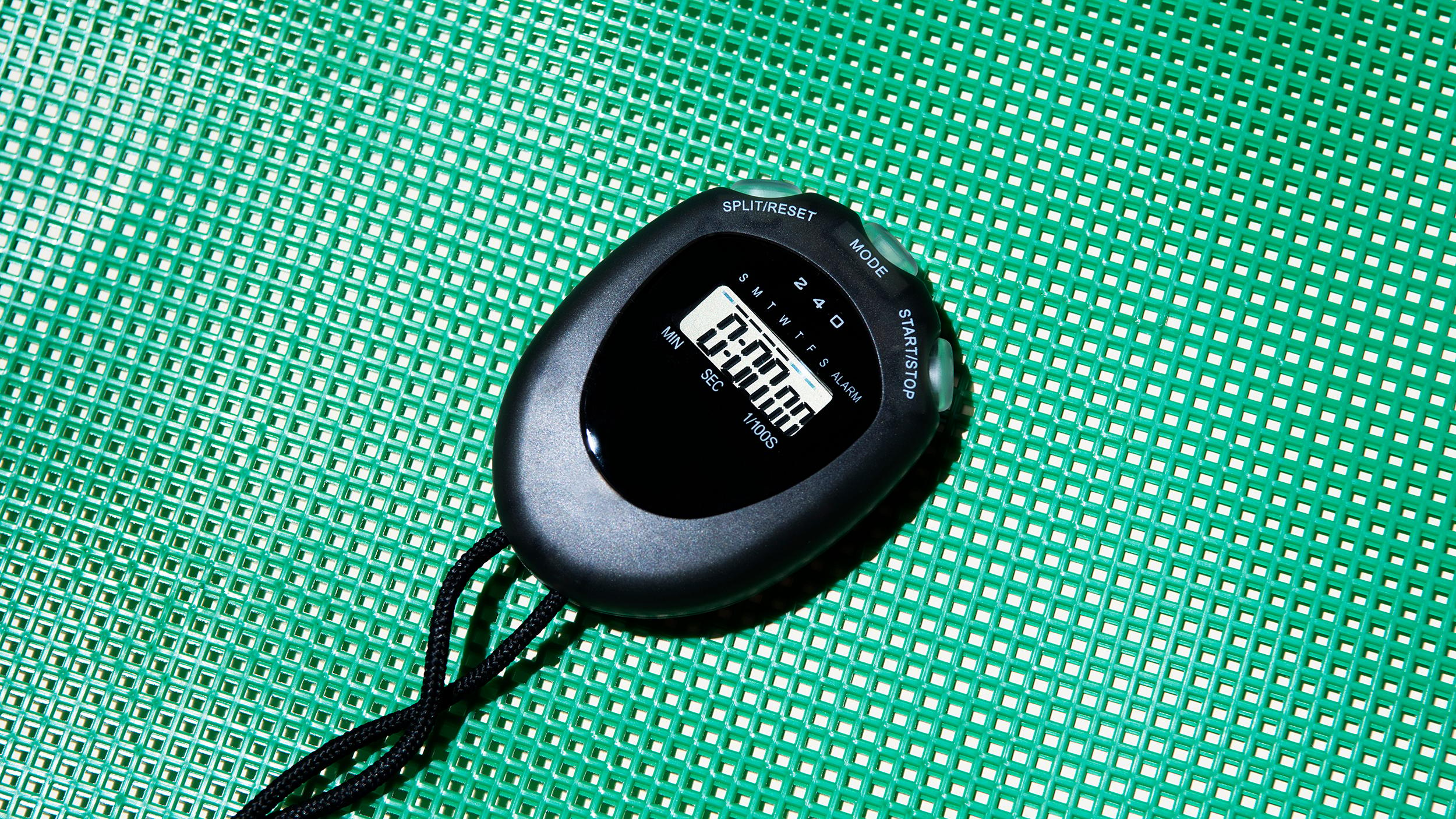
A timed up-and-go test measures frailty: a person gets up from a chair, walks a few paces, then sits back down. Taking more than about thirteen seconds suggests possible frailty.
The study design
Margaret Danilovich and colleagues at Agilon Health set up exercise groups in fourteen retirement homes. Half walked casually, half walked much faster over several months of weekly sessions.
What vigorous walking means
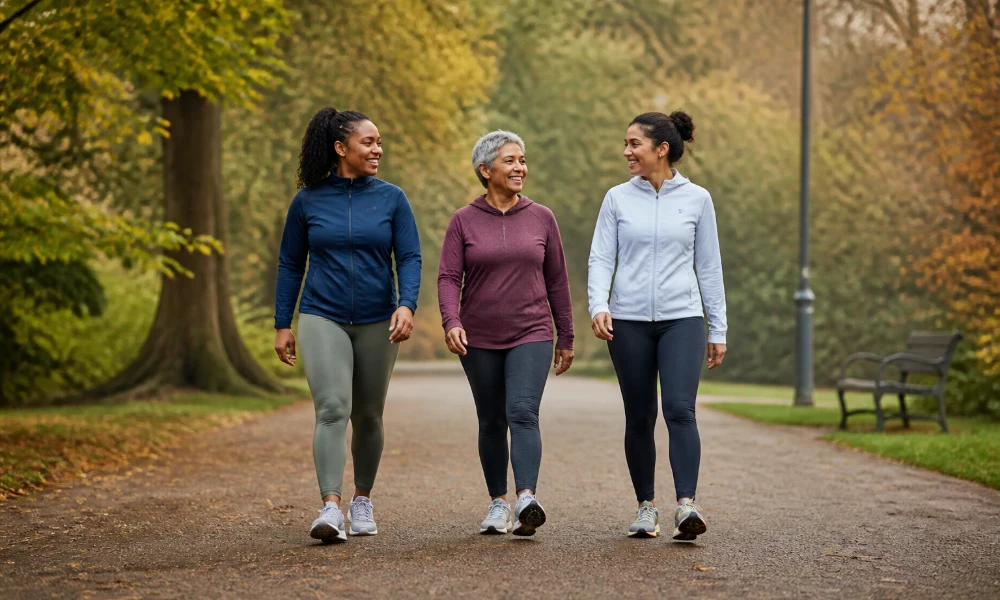
The high-intensity group aimed for more than seventy percent of maximum heart rate. Research assistants gave verbal encouragement to keep people walking faster throughout sessions.
“We wanted to achieve a vigorous level of activity, more than 70% of the heart rate maximum.”
Results show brisk pace wins
Nearly seventy percent in the high-intensity walking group improved in at least one frailty category, compared to forty-six percent in the casual group, published in PLOS ONE.
“Nearly 70% in the high-intensity walking group improved in at least one category, compared to 46% in the casual group.”
Next steps and barriers
Researchers plan to study healthy older people wearing smart watches to understand how to prompt faster walking. But healthcare systems do not reimburse high-intensity exercise training, limiting real-world application.
The key point
Research published in PLOS ONE found that older people who walked at high intensity improved their frailty scores more than those who walked casually, suggesting vigorous exercise can safely reverse age-related decline.