From TIME · Joshua Tal · · 2m
We turned sleep into homework. Now we're losing sleep over it
Obsessive sleep tracking and rigid rules are creating a new condition: orthosomnia, where the pursuit of perfect sleep causes the insomnia it was meant to prevent.
In brief
Obsessive sleep tracking and rigid rules are creating a new condition: orthosomnia, where the pursuit of perfect sleep causes the insomnia it was meant to prevent. Treat sleep advice as a personalized menu to experiment with, not a checklist to pass or fail, and stop tracking metrics that fuel anxiety. Originally…
Sleep became a status symbol
For decades, sleep was dismissed as laziness. Then Arianna Huffington's collapse and Matthew Walker's bestseller flipped the script, turning sleep into a public health crisis and wearables into status symbols.
Orthosomnia: the insomnia paradox
Sleep clinicians have named what happens when sleep optimization goes too far: orthosomnia, an unhealthy preoccupation with perfect sleep that actually produces the insomnia it was meant to prevent.
“You cannot relax your way to good sleep while obsessively checking whether you are relaxed enough to get sleepy.”
Checklists turned advice into shame
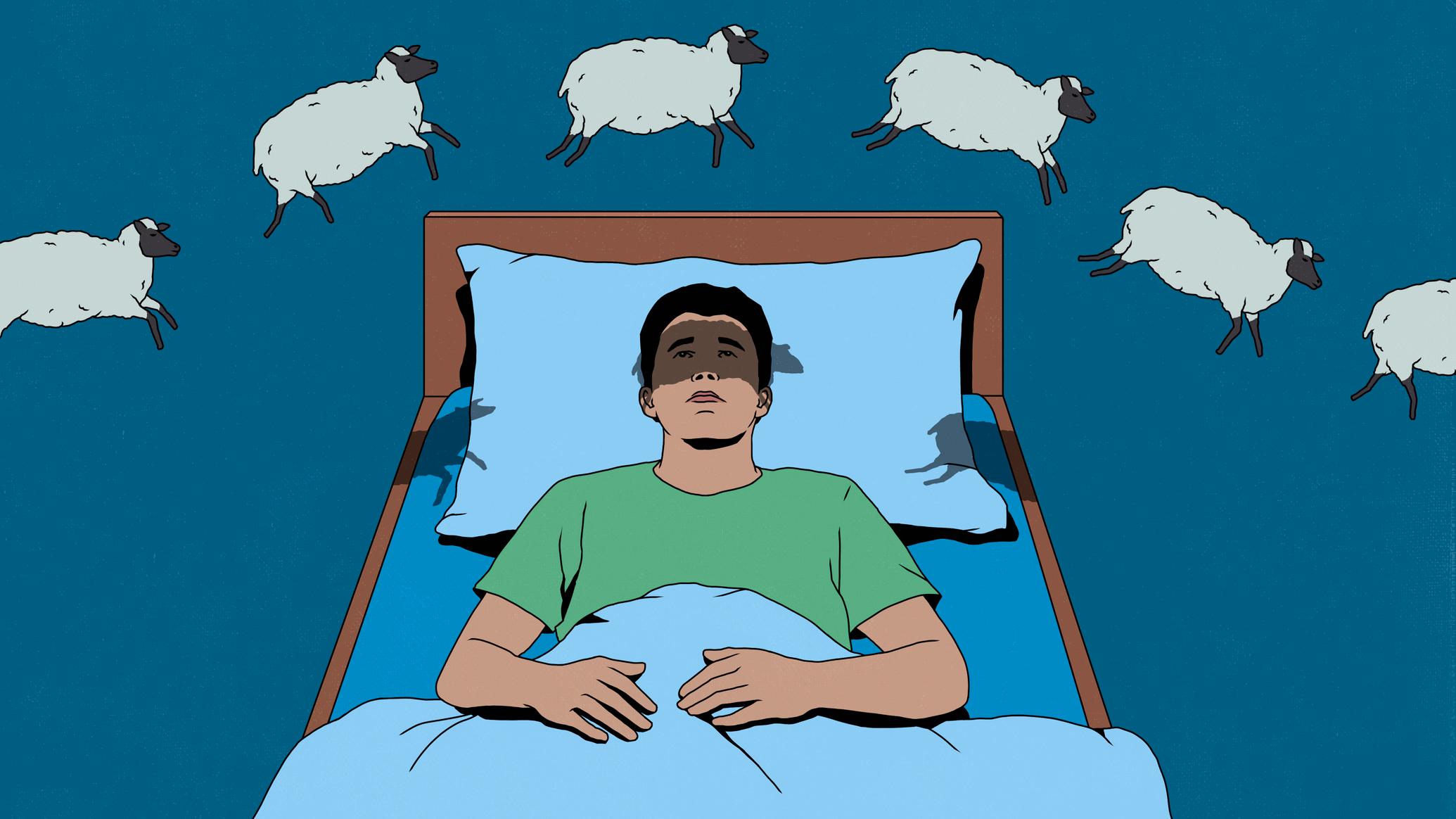
Sleep hygiene rules like consistent bedtimes and no screens are reasonable, but when delivered as pass-fail checklists instead of flexible suggestions, they create panic and shame over minor deviations.
“Patients express genuine shame at "failing" sleep hygiene because they scrolled their phone in bed once, or napped on a Sunday, or had a glass of wine with dinner.”
One rule doesn't fit everyone
Sleep hygiene advice was built on population averages, ignoring that sleep varies widely. A rule that calms one person's nervous system agitates another's, especially for shift workers and anxious patients.
“The rules were written for the average person who does not exist.”
Behavioral treatment beats checklists
British researchers found that sleep hygiene booklets barely improved chronic insomnia, while short behavioral treatment worked more than twice as well. The American Academy of Sleep Medicine advises against using hygiene alone.
Build your own sleep menu
Instead of following a universal checklist, treat sleep advice as a personalized menu. Test interventions one at a time with no pressure, keep what works, discard what doesn't, and adjust as your life changes.
“What predicts recovery from sleep issues is permission: the willingness to stop treating a bad night as a failure.”
Stop tracking sleep scores
Constant monitoring of sleep metrics turns ordinary rough patches into clinical anxiety. One patient improved significantly after she stopped checking her sleep score every morning like a report card.
Sleep is a recipe, not mastery
Sleep isn't something to perfect or master. It's a personal recipe you keep adjusting based on what actually works for your life, not a standardized formula everyone should follow.
“Sleep isn't something to master. It's a menu you keep rewriting, a recipe you keep adjusting, until it fuels the life you actually live.”
The bottom line
Treat sleep advice as a personalized menu to experiment with, not a checklist to pass or fail, and stop tracking metrics that fuel anxiety.





