From TIME · Gabe Bullard · · 3m
What we lost when errands went online
As digital convenience replaces in-person tasks, we lose the social interactions and real-world skills that errands once provided.
In brief
As digital convenience replaces in-person tasks, we lose the social interactions and real-world skills that errands once provided. Online errands save time but eliminate casual social encounters and third places that once anchored community life and kept us connected. Originally reported by TIME.
Banking used to mean lollipops
The author remembers cherry-flavored lollipops from childhood bank visits with parents. These small treats made boring errands feel special and gave kids a reason to leave home.
Everything moved online
Banking, groceries, video rentals, photo prints and hardware shopping all moved to apps and delivery services. The author assumed these errands would be part of adult life but technology made them optional.
Convenience has a cost
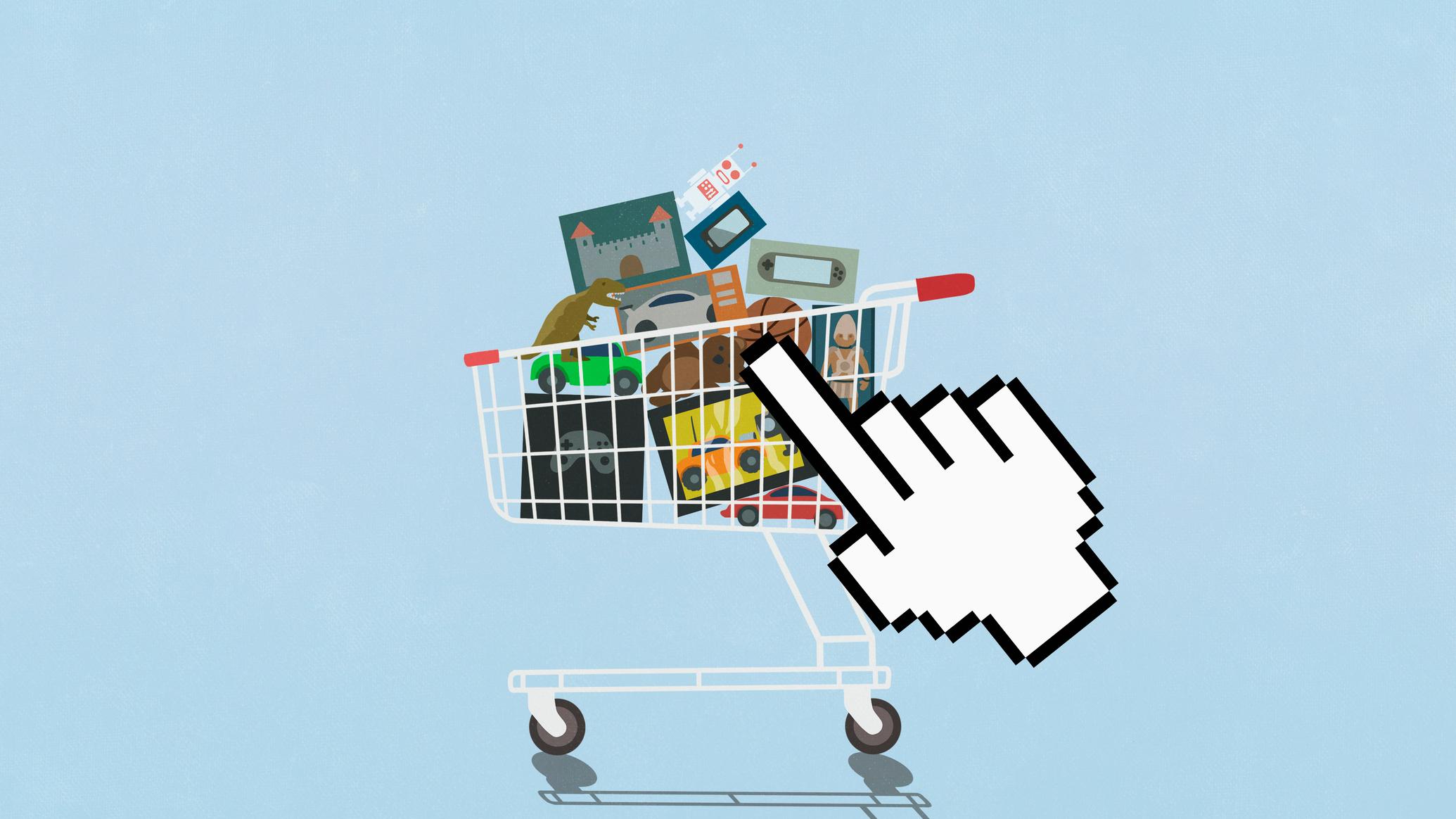
Without errands forcing us outside, it is easy to spend all day alone switching between phone apps. Even treats like coffee or fast food can now be ordered ahead or delivered home.
Delivery changes how we see people
Online shopping replaces social interactions with one-tap transactions. This can reshape how we see other people: not as human beings in shared space, but as hirable servants in a world made just for us.
“It gives us this false sense of control and individuality if we're just staying in our little box and having things come to us.”
Small interactions matter
Dr. Gillian Sandstrom, an associate professor of psychology at the University of Sussex and author of Once Upon a Stranger, says people with wider variety of encounters tend to be happier.
Online socializing is one-way
Scrolling through TikTok or Instagram shows hundreds of strangers on a curated feed. But unless you make content, they see you only as a metric: a like or a view, not as a person.
We need to practice social skills
Errands gave us chances to practice how we interact with the world. Sandstrom asks: how will you make a new friend or go to a job interview without these little opportunities to practice?
“How are you going to make a new friend? How are you going to go to a job interview?”
Third places are disappearing
Errands created de facto third places where casual social interaction happened. As patronage drops, these centers cannot stay open. Big box stores and e-commerce have led to empty storefronts on many main streets.
Remaining spaces serve delivery first
Coffee shops and fast casual restaurants increasingly serve mobile customers. Workers are slammed even with no physical line. Ghost kitchens now serve only online orders. The in-person customer is often secondary to the virtual one.
Boredom moved, not disappeared
The author is not less bored now, just bored differently. Second-screen content designed for phones keeps people distracted enough to avoid thinking about what else they could do with their time.
“Yes, errands were boring. I'm sure I told my mom this about 100 times as we went from store to store, aisle to aisle. But I'm not less bored now, I'm just bored in a different way.”
The real world offered surprises
Out in the real world there was more excitement and novelty: odd interactions with strangers, overheard conversations, little dramas of daily life. As technology advances, analog alternatives become harder to find.
The short version
Online errands save time but eliminate casual social encounters and third places that once anchored community life and kept us connected.