From Tasty · · 1m 50s
21 Cooking Tips for Better Taste
21 habits to make food taste better without rushing.
In brief
21 habits to make food taste better without rushing. Chopping ingredients uniformly, using hot oil, and adding acid when too salty improve cooking results. Originally reported by Tasty.
Chop ingredients uniformly

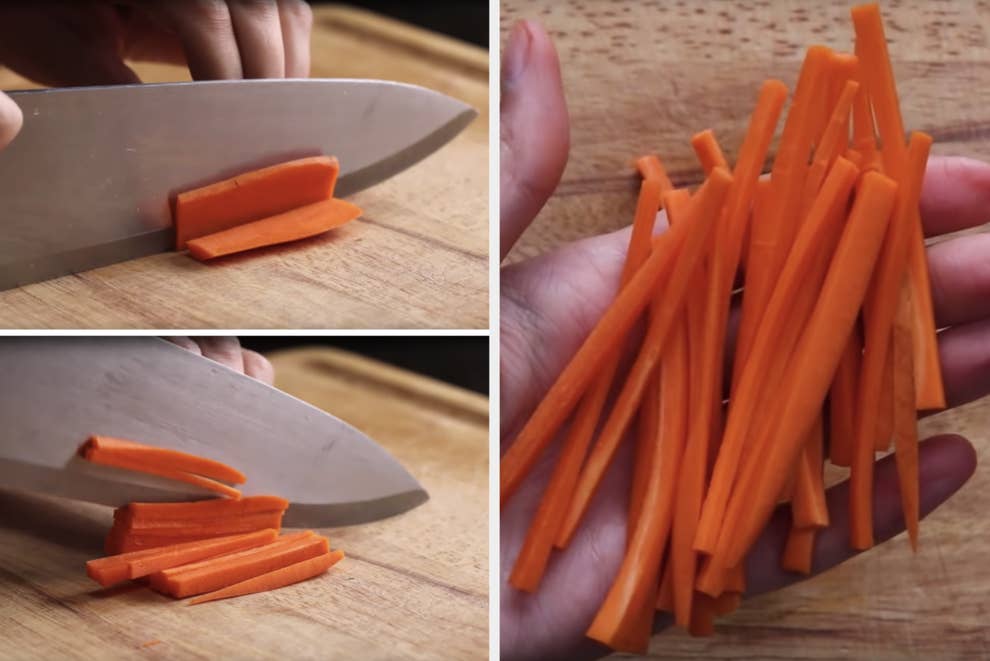
Slice ingredients so they're all about the same size to ensure even cooking and avoid overdone smaller pieces or still-raw larger ones.
“If it looks the same, it cooks the same.”
Don't add ingredients to pan until oil is hot
Add ingredients only when oil swirls or ripples but doesn't smoke to prevent food from soaking up oil instead of sizzling.
“If the oil isn't ready, food will soak it up instead of sizzling in it, and the end result won't taste as good.”
Dry meat before searing
Dry meat off with a paper towel first to remove moisture and achieve a sharper sear when it hits the pan.
“Meat can carry a layer of moisture on the outside, so it's important to get rid of that if you want the sharpest sear when the protein hits the pan.”
Add garlic last
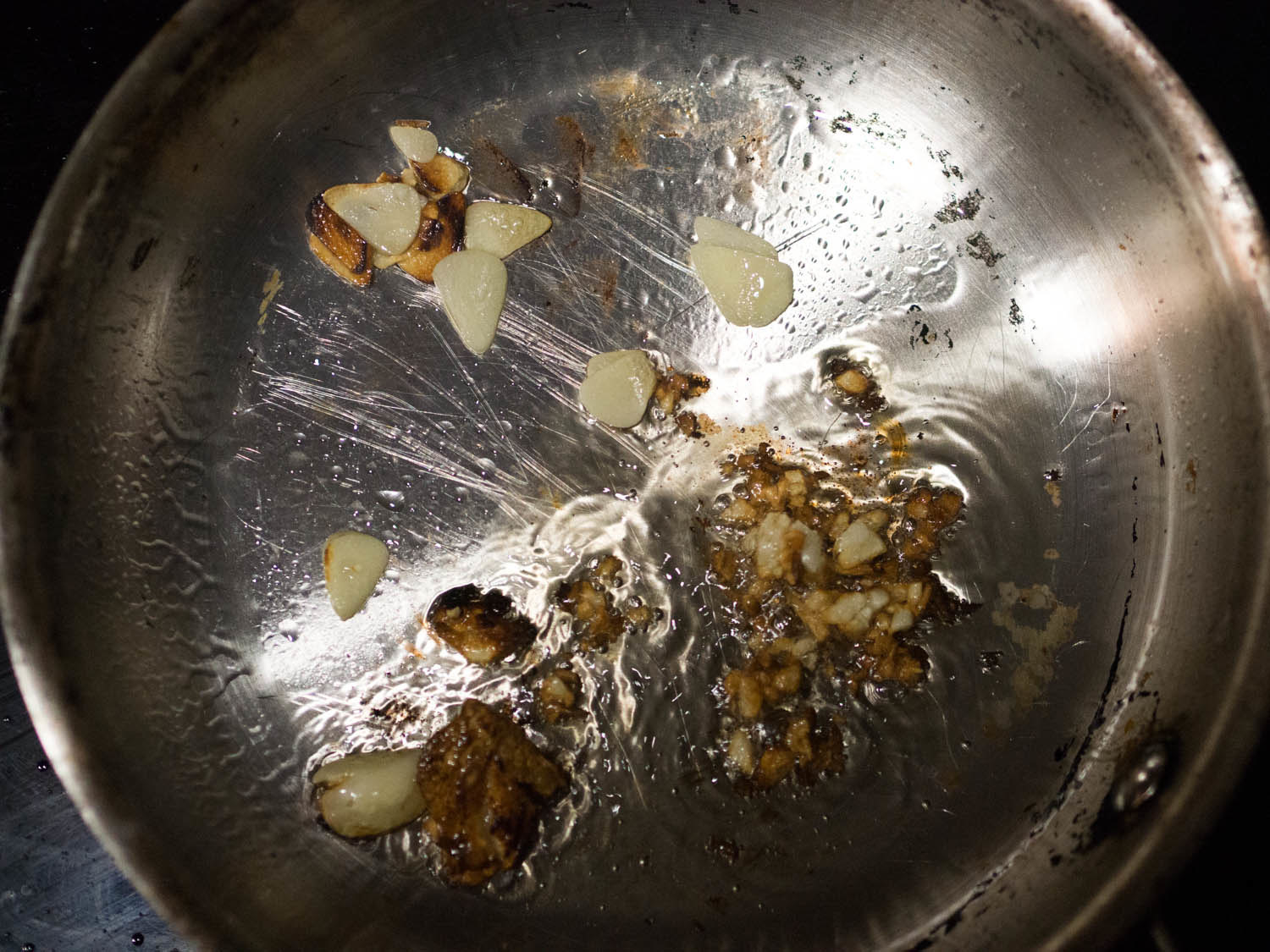
Add garlic last to prevent burning, especially when minced or chopped.
“Because garlic burns easily, many recipes tell you to add it last, and that's a great blanket rule, especially if it's minced or chopped.”
Clean as you go
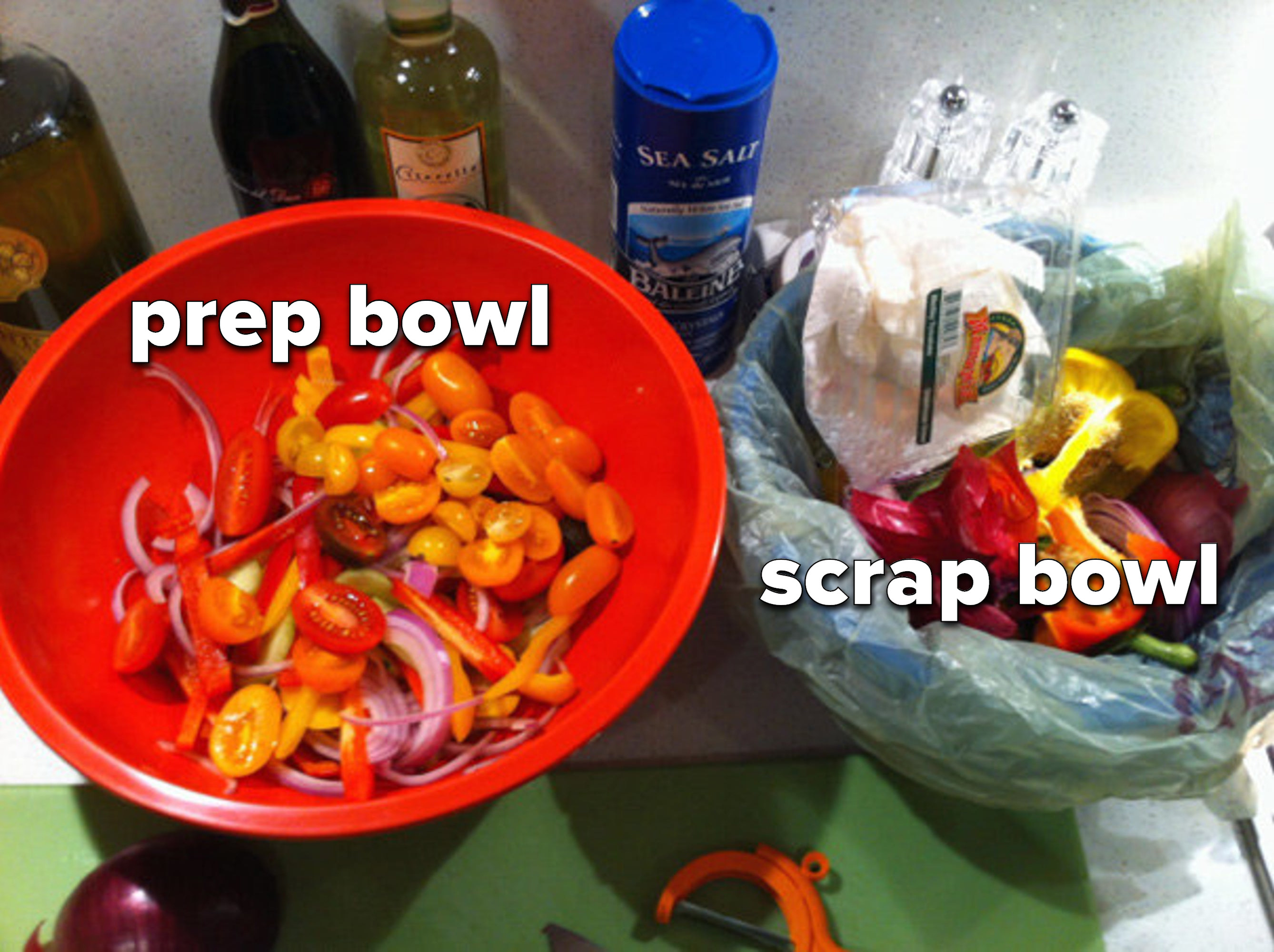
Plant a scrap bowl on the counter and load dirty plates into the washer to keep cooking neat and reduce cleanup time.
“Plant a scrap bowl right on the counter so you don. t have to sidetrack to the trash, and load dirty plates straight into the washer instead of stacking them in the sink.”
Season mushrooms and zucchini after browning
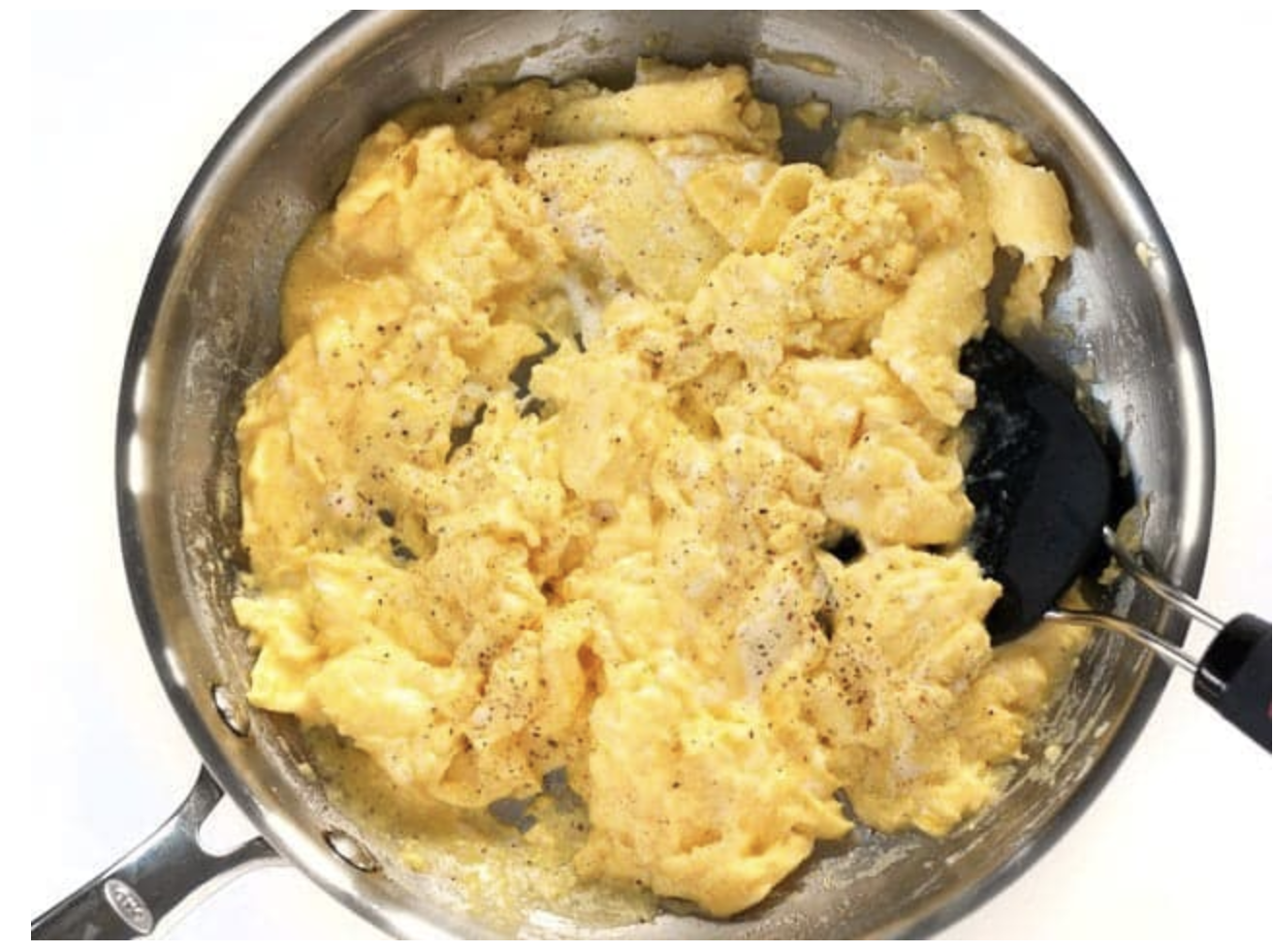
Season mushrooms and zucchini after they brown to avoid sogginess from excess water and salt.
“Both carry excess water, and salt draws it out even more, causing the food to get soggy.”
Brine chicken breasts
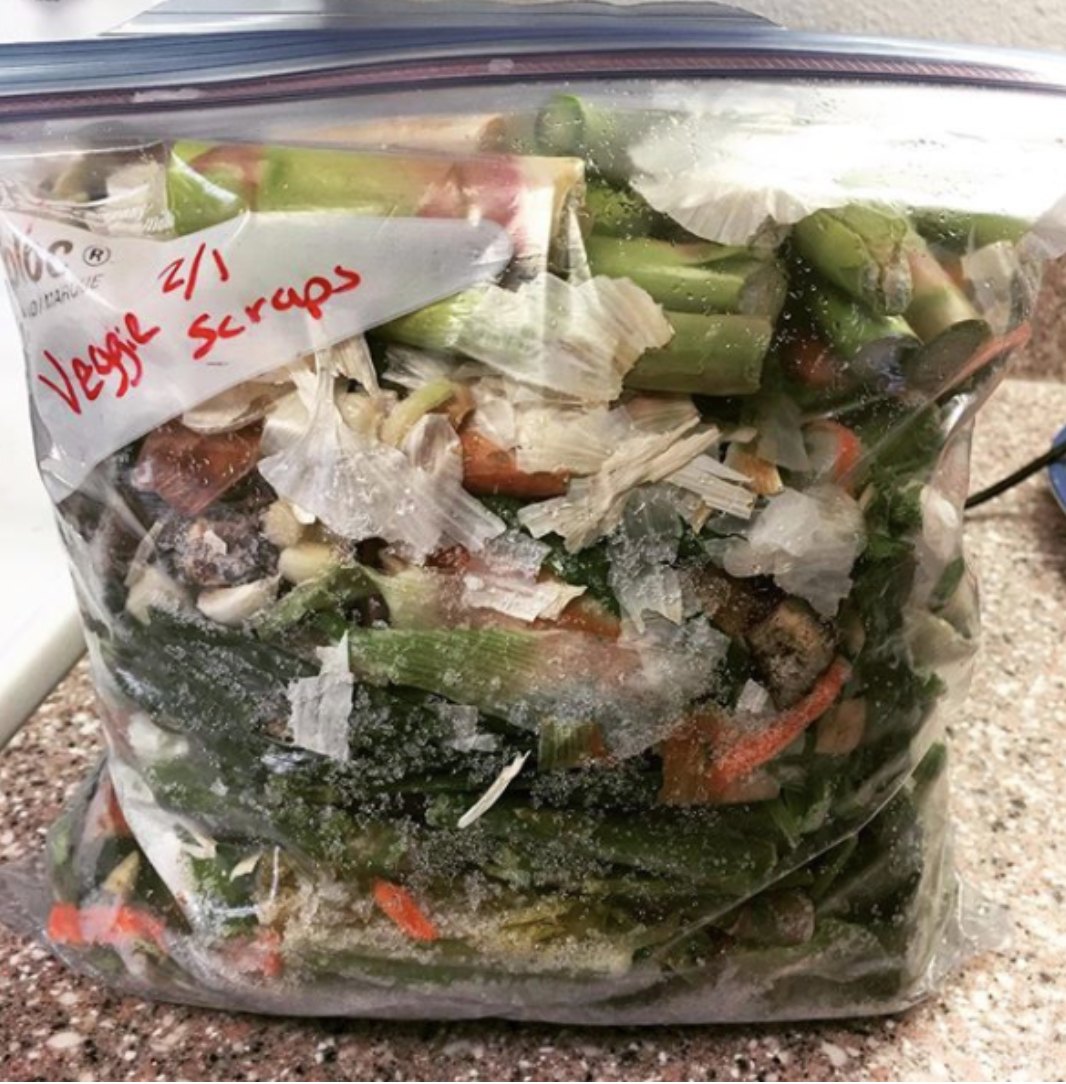
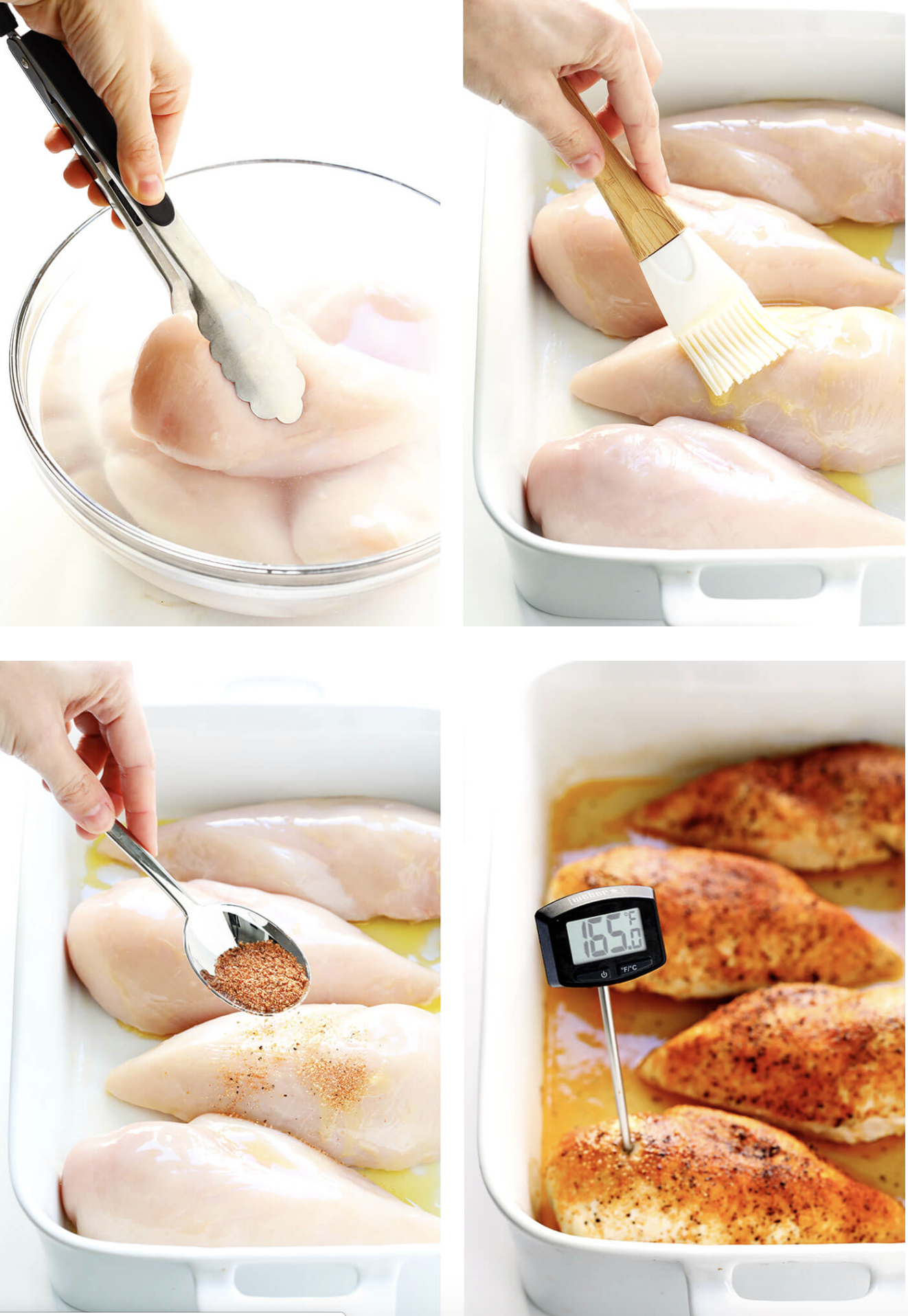
Brine chicken breasts for 15 minutes to retain moisture and stay juicy and flavorful.
“Brining, or a quick soak in salt + water, helps meat retain moisture and stay juicy and flavorful.”
Season as you cook
Season food as you cook to build layers of flavor and taste as you go.
“Every time you add a new batch of ingredients to the pot, you'll want to season it appropriately.”
Add acid if too salty
Add acid like vinegar or citrus to round out flavors if a dish tastes flat after adding salt.
“Salt is key to a final dish, but acid is a close second. Acid (like vinegar or citrus) helps elevate and counterbalance flavors.”
Deglaze pan
Deglaze pan to scoop up browned bits (fond) for extra flavor in sauces.
“The brown bits that collect on the bottom of the pan are called fond, and they're packed with flavor.”
Finish sauces with butter
Add cold butter at the end of sauces for extra richness and shine.
“In culinary terms, this is known as 'monter au beurre.' Next time you're making a sauce, add a few pats of cold butter at the very end to add depth of flavor and shine.”
Use residual heat
Use residual heat to prevent food from overcooking after turning off the heat.
“Residual heat can quickly take a dish, like eggs or meat, from perfectly cooked to overdone.”
The takeaway
Chopping ingredients uniformly, using hot oil, and adding acid when too salty improve cooking results.


