From The Conversation · Arryn Robbins · · 1m 10s
AI Behaves Like a Brain
Cognitive science explains why AI acts like a brain, not a database.
In brief
Cognitive science explains why AI acts like a brain, not a database. AI systems learn from examples like human brains, not databases, causing unpredictable behavior and hallucinations. Originally reported by The Conversation.
AI's brain-like behavior

Large language models work like brains, not databases, according to cognitive science.
Cognitive science's role
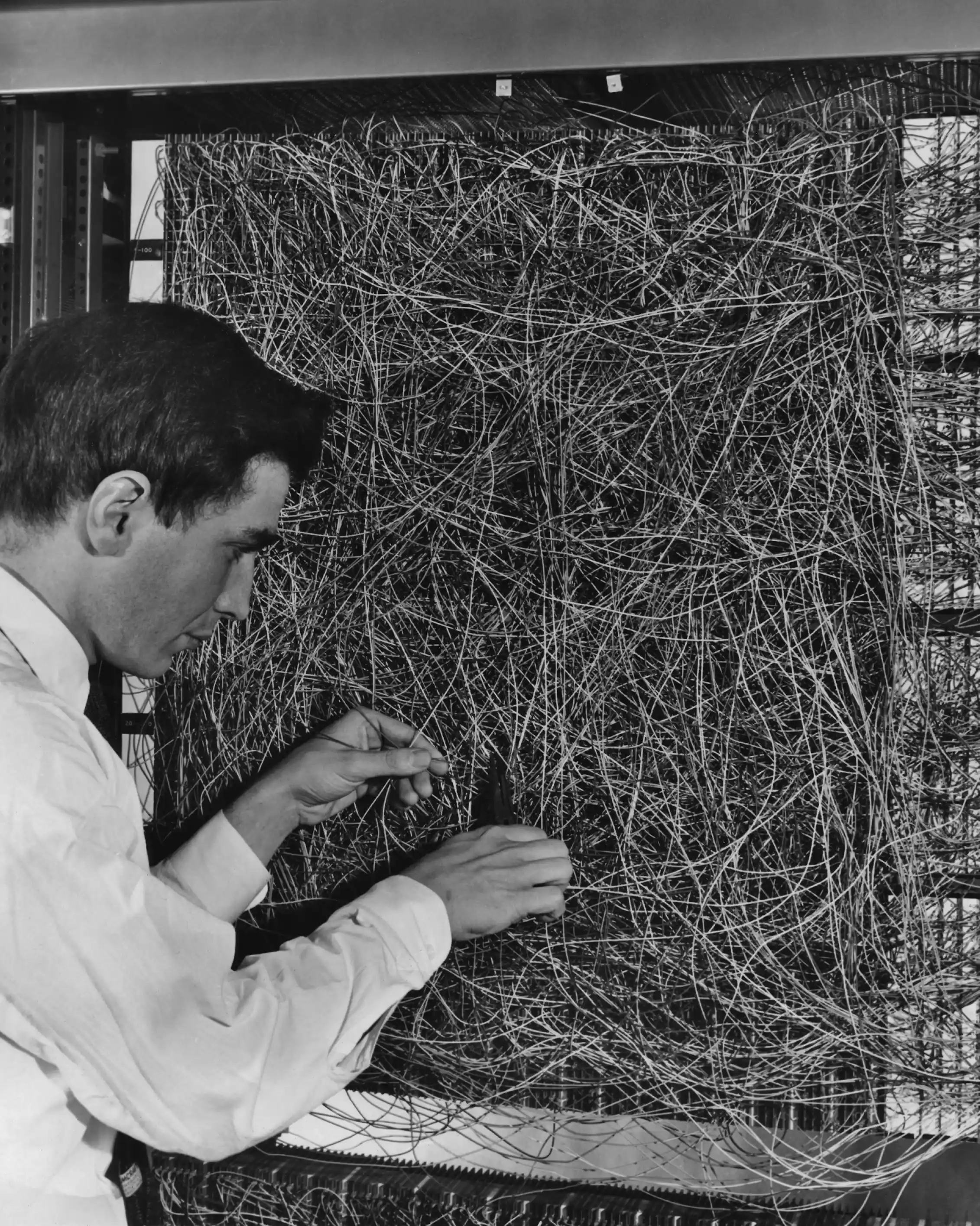
AI's origin story draws from understanding human minds, not rules-based computing.
Perceptron machine

Psychologist Frank Rosenblatt built the Perceptron in 1958 to learn from examples.
Neural network foundations

Donald Hebb's work on neural connections strengthened the basis for machine learning.
Deep learning breakthrough

David Rumelhart, Geoffrey Hinton and Ronald Williams developed multilayered neural networks in the 1980s.
AI's behavior explained
AI systems generalize like human brains, causing hallucinations and inconsistent responses.
User misunderstandings
Users treat ai outputs as factual answers rather than probabilistic guesses.
Educational challenges

Schools face divisions over banning ai tools versus integrating them into coursework.
Future collaboration
Computer science and cognitive science will continue trading questions and tools to understand intelligence.
The bottom line
AI systems learn from examples like human brains, not databases, causing unpredictable behavior and hallucinations.




