From The Conversation · Andrew McLean · · 3m
Are too many Americans on antidepressants?
A psychiatrist of 35 years on why 1 in 6 adults take these drugs, and why the overuse debate misses the real problem.
In brief
A psychiatrist of 35 years on why 1 in 6 adults take these drugs, and why the overuse debate misses the real problem. Antidepressants are probably overprescribed for mild depression and underused for serious cases, and both failures trace back to a system that pays for pills but not for anything else. Originally…
One in six adults

Antidepressants are among the most prescribed drug categories in the United States. Roughly 1 in 6 American adults currently take one.
“1 in 6 American adults take them”
The backlash has a face
Health Secretary Robert F. Kennedy Jr. launched a push in May 2026 urging doctors to treat depression without psychiatric drugs where they can.
A psychiatrist weighs in
The author has practiced psychiatry for over 35 years and ran North Dakota's Department of Human Services. His verdict: there are grains of truth to the overuse claim, but only grains.
Right drug, wrong patient

SSRIs, more than half of all antidepressant prescriptions, work well for moderate to severe depression. For mild depression the side effects can outweigh the benefit, and nondrug treatments work.
We call everything depression
In ordinary speech, depression covers a case of the blahs and a serious clinical illness alike. That blurring is how people with mild symptoms end up on medication.
A questionnaire is not a diagnosis
Screening tools flag patients who need a closer look, but used alone they get misread. A bad two weeks can score high enough for a prescription that was never needed.
And it misses the worst cases
Over a third of people who die by suicide saw a primary care provider in the month before. For those 55 and older, it is more than two thirds.
“For those 55 and older, it rises to more than two-thirds”
Psychiatrists write the minority
A 2026 analysis found most US antidepressant prescriptions do not come from psychiatrists. Most come from primary care providers who are not mental health specialists.
Less time, fewer options
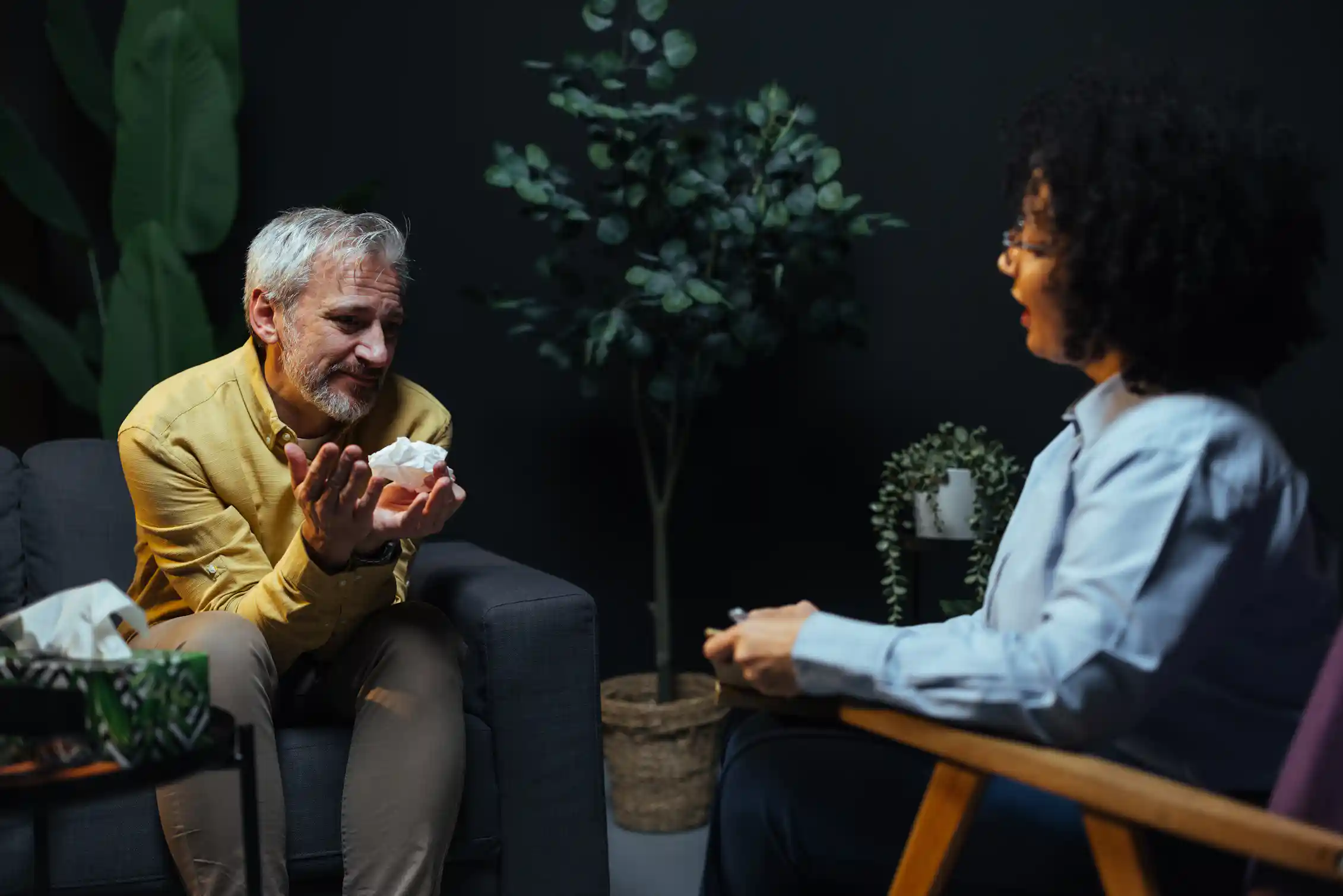
Primary care clinicians have short visits and little access to talk therapy. Clinics with embedded behavioral health staff do better, but they are still rare.
A pill is easier
Given a choice between a daily tablet and lifestyle changes that demand commitment, most people pick the tablet. That is human nature, not bad medicine.
Telehealth changed the math
Before COVID, 1% to 2% of antidepressants were prescribed by telehealth. By 2022 it was about a third. Virtual visits let people route around stigma and get care fast.
Quitting is hard, not heroin hard
A 2024 review found about a quarter of people stopping antidepressants had withdrawal symptoms, severe for 3%. Tapering over weeks to months with a good clinician usually works.
The short version
Antidepressants are probably overprescribed for mild depression and underused for serious cases, and both failures trace back to a system that pays for pills but not for anything else.





