From The Conversation · Kenneth Greene · · 1m 30s
Cash for votes rarely changes election outcomes
Trump's $5,000 pledge for Republicans winning could fail due to voter resistance.
In brief
Trump's $5,000 pledge for Republicans winning could fail due to voter resistance. Offering cash for votes rarely changes election outcomes as voters prioritize partisanship over financial incentives. Originally reported by The Conversation.
Trump's $5,000 pledge
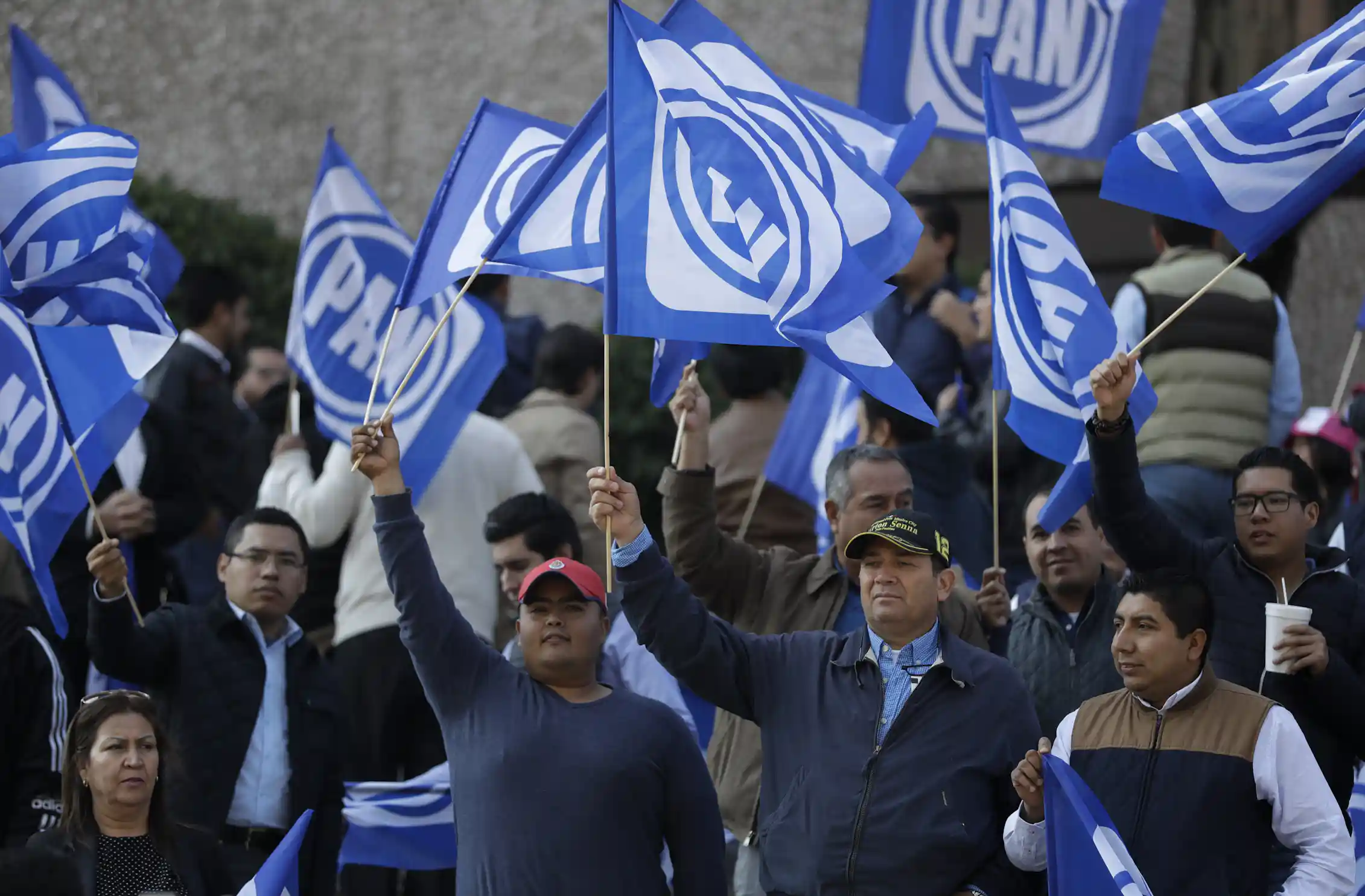
President Donald Trump promised $5,000 checks to every U.S. citizen if Republicans win November 2026 midterms.
Vote buying history
Vote buying dates back to ancient Rome and was common in 19th century American political machines.
Global vote buying trends
Politicians in 73 countries offer cash, food, clothes, or medical care for votes in recent decades.
Why vote buying fails
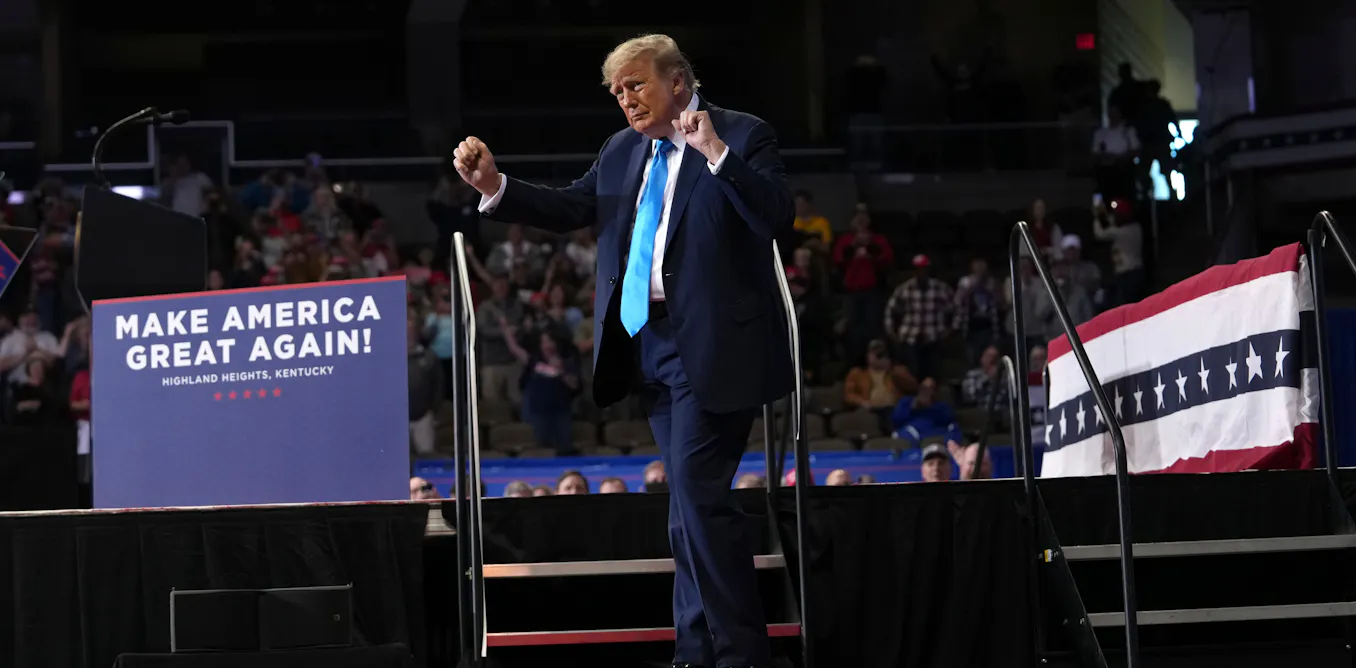
Vote buying rarely works because voters prioritize partisanship over financial incentives.
Mexican vote buying example
In 2018, Mexican voters stripped PAN party brokers down to underwear and painted them blue with 'Vote for PAN for 500 pesos'.
“Vote for the PAN for 500 pesos”
Targeting challenges
Competitive elections make it hard for vote brokers to identify voters who will switch their votes for money.
Free-rider problem
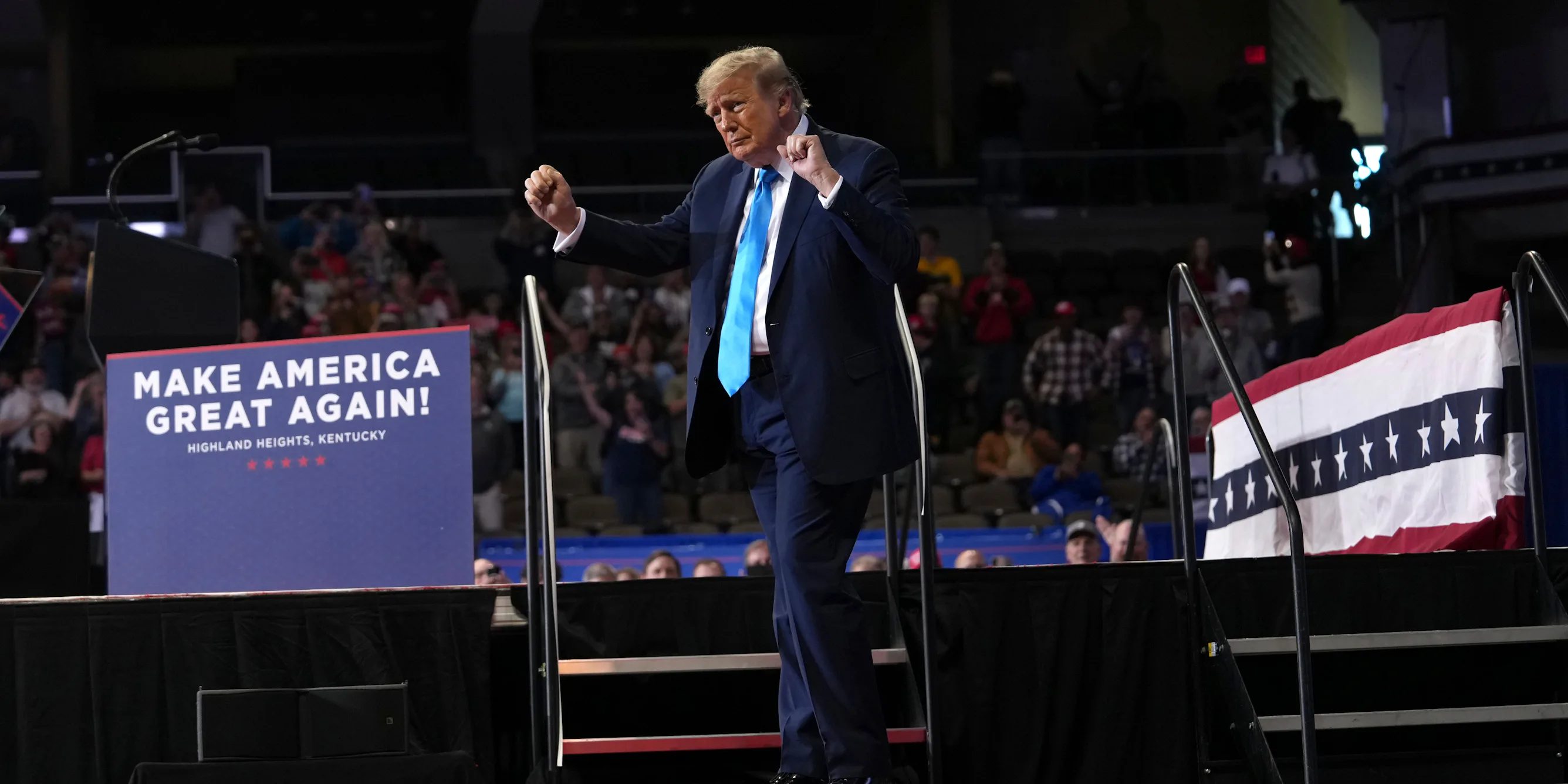
Trump's offer creates a free-rider problem as voters may not switch their votes even with $5,000.
Voter secrecy
Voters trust ballot secrecy when they see poll watchers from both parties.
Partisanship in US
Strong partisanship in U.S. makes Trump's $5,000 pledge unlikely to sway Republican or Democratic voters.
Why it won't work
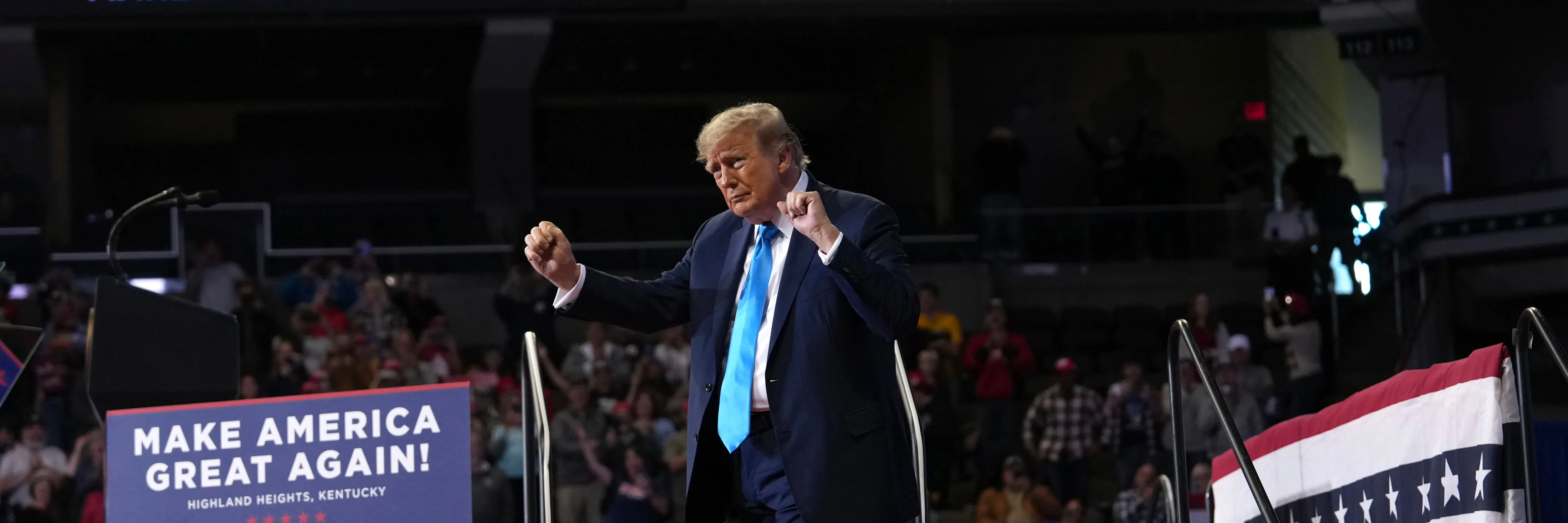
Trump's pledge fails because voters prioritize partisanship over financial incentives in tight elections.
The takeaway
Offering cash for votes rarely changes election outcomes as voters prioritize partisanship over financial incentives.