From The Conversation · Peter C. Mancall · · 1m 20s
Columbus' Writings Show Religion and Conquest Linked
Columbus' letters reveal how early European colonization blended religious conversion with territorial conquest.
In brief
Columbus' letters reveal how early European colonization blended religious conversion with territorial conquest. Columbus' writings show the immediate link between spreading Christianity and European colonization in the Americas. Originally reported by The Conversation.
Columbus' early writings
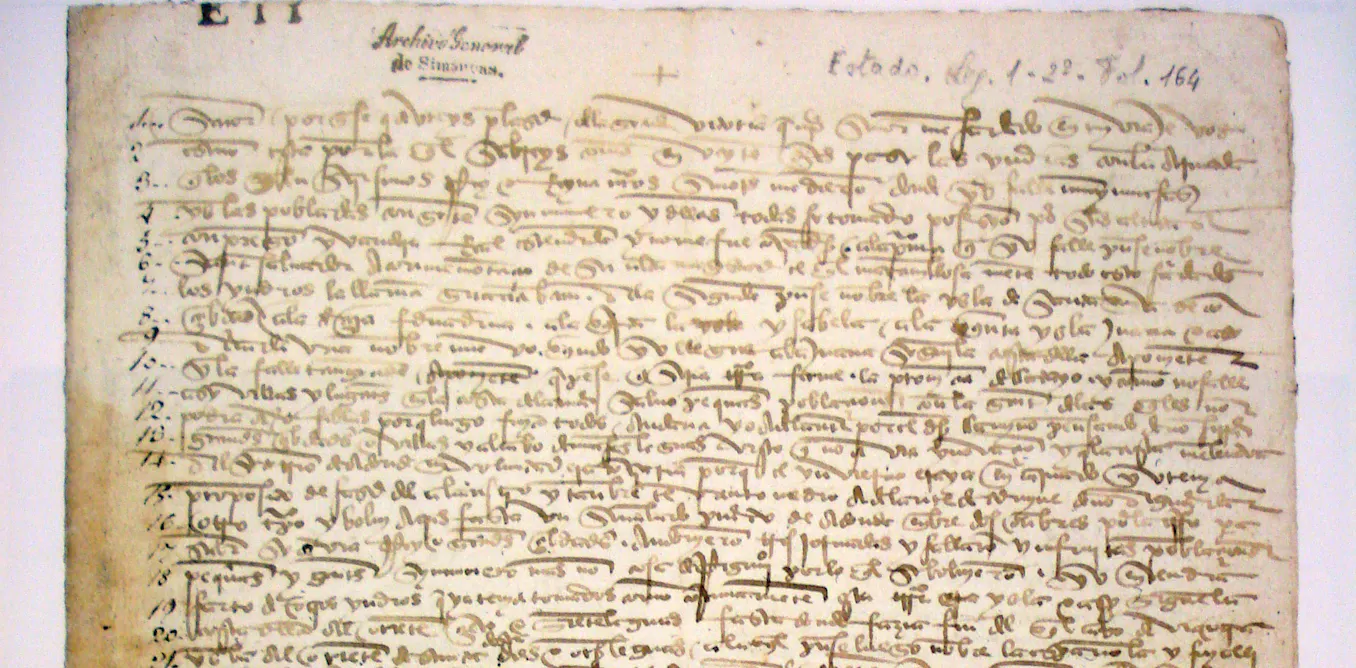
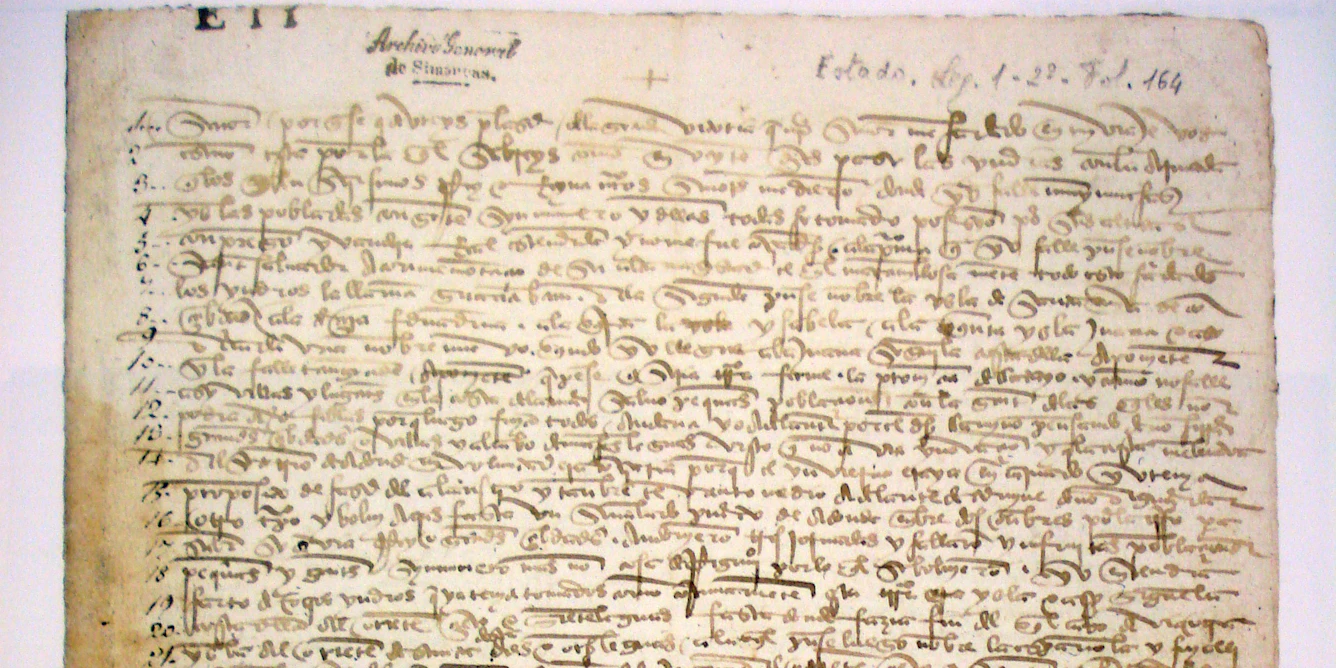
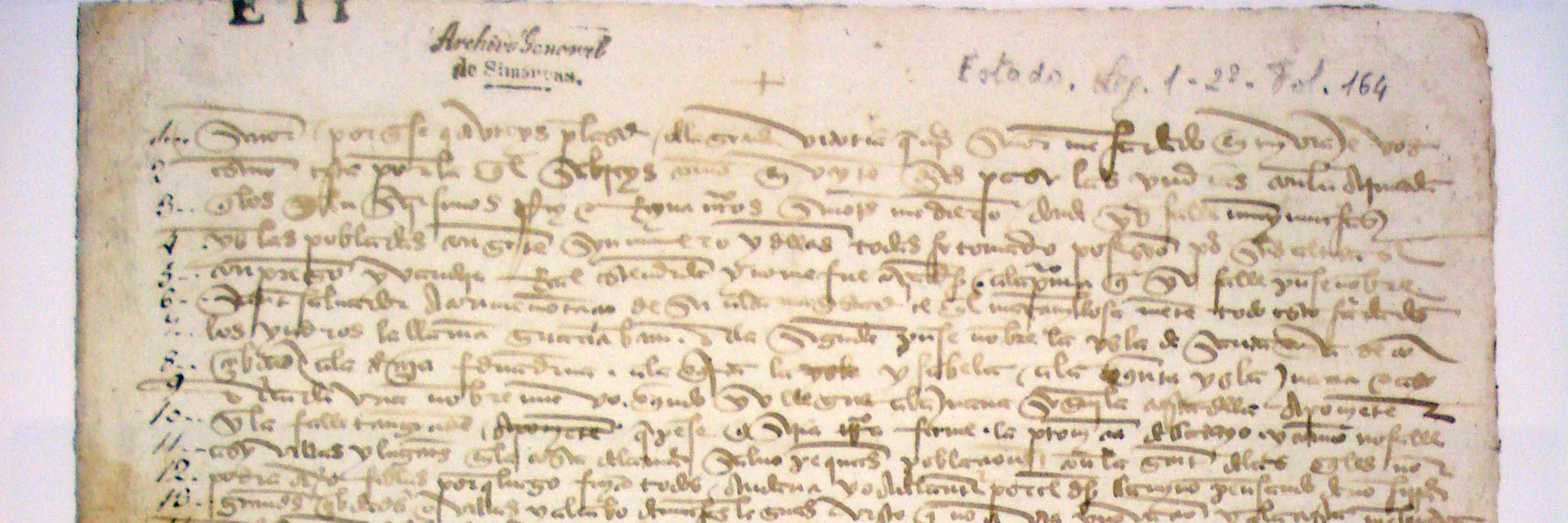
Christopher Columbus wrote letters describing his 1493 voyage to the Americas.
“A manuscript with the text of the letter Cristopher Columbus wrote in February 1493, giving his account of the first voyage to the Americas.”
Columbus' dual identity
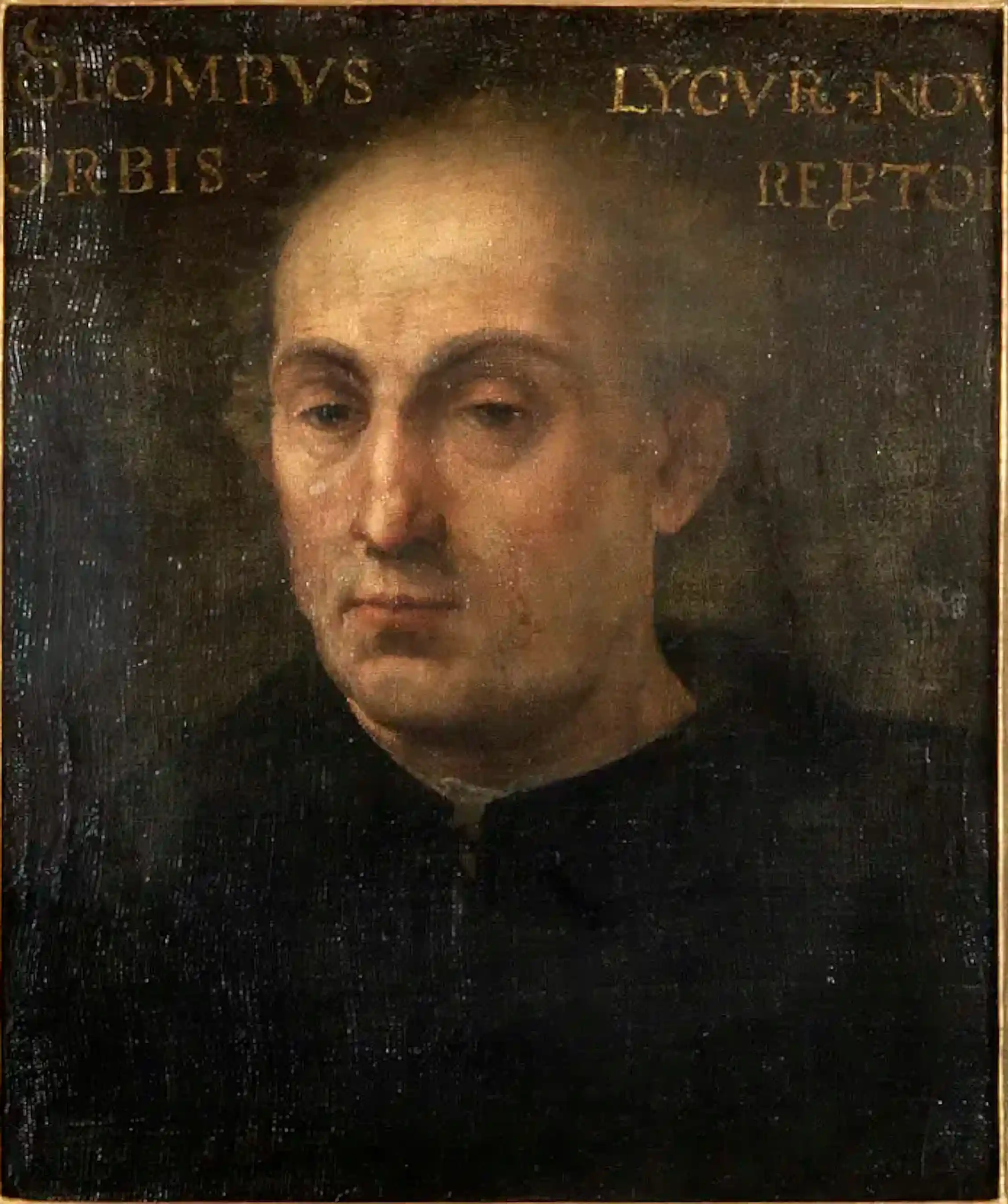
Columbus saw himself as a religious explorer who discovered a new world for Christendom.
“He labeled the people he met "Indios" because he thought he had reached Asia.”
Religious naming practices
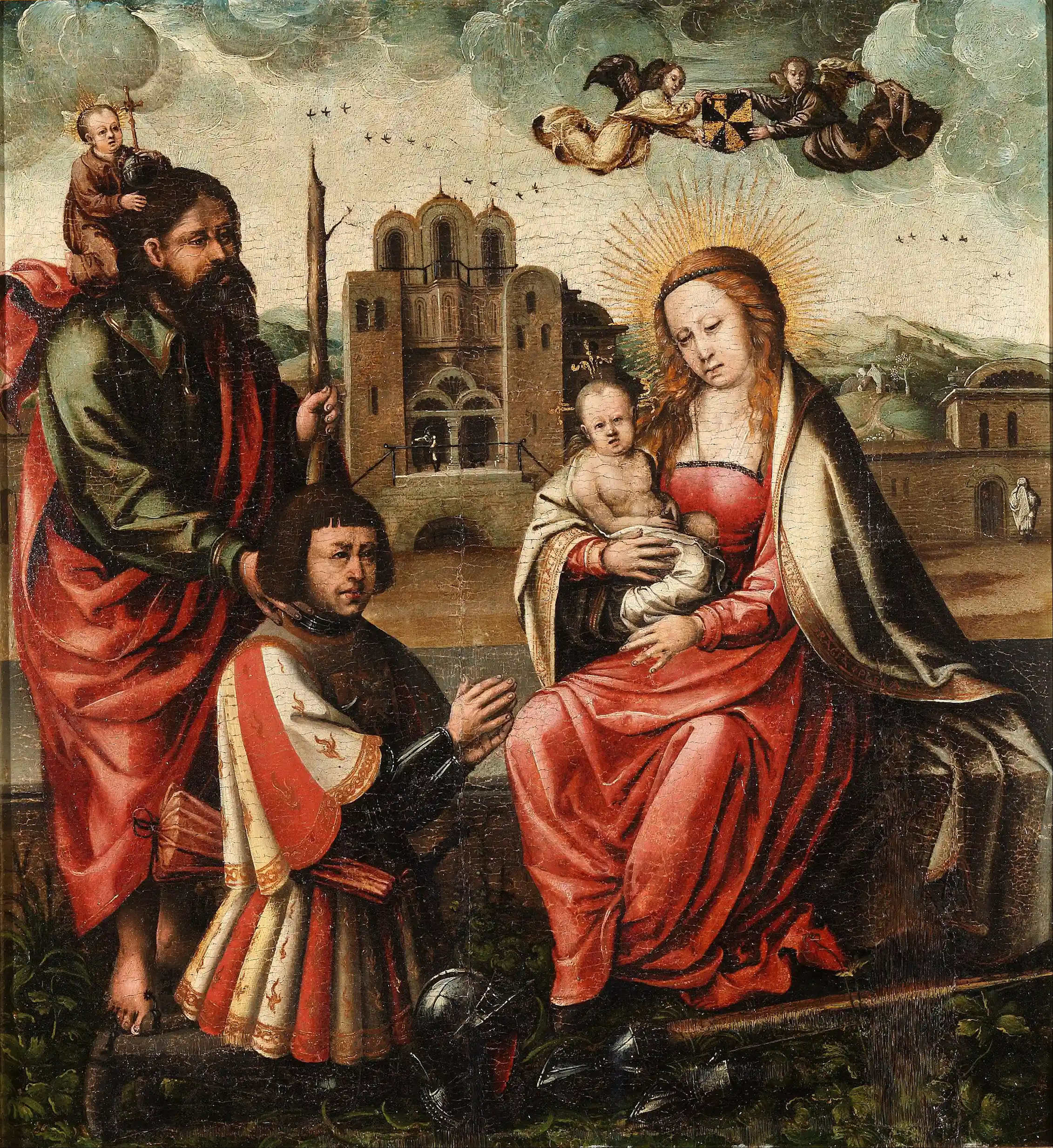
Columbus renamed islands after Christian figures, including "Holy Savior" and "Holy Mary of the Conception."
“To the first of them I have given the name of our blessed Saviour, (with) whose aid I have reached this and all the rest.”
Early religious conversion efforts
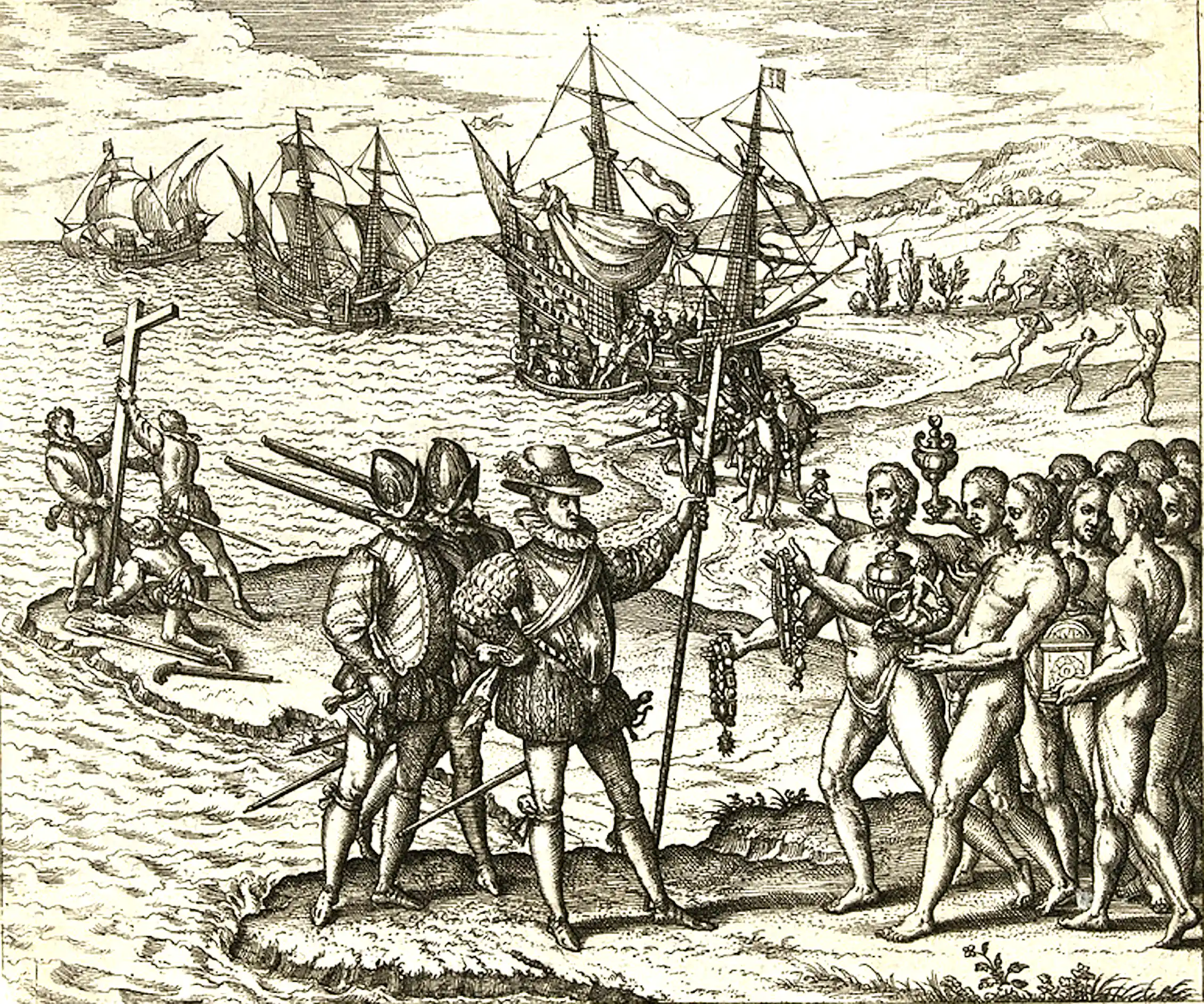
Columbus sent a friar to record Indigenous beliefs and convert them to Christianity on Hispaniola.
“I took by force some Indians from the first island, reporting that he wanted to teach them Spanish so they could tell us what they knew.”
Columbus' religious writings
Columbus created a religious journal to document his spiritual journey and biblical interpretations.
“He intended the book for his queen and king, though it is likely they never saw it.”
Columbus' religious identity
Columbus compared himself to biblical prophets, claiming divine support for his colonial mission.
“He believed that God had endowed him with remarkable intelligence, despite enemies' allegations that he was an uneducated man.”
Religious consequences
Columbus faced charges of enslaving Indigenous peoples before being pardoned by his patrons.
“In 1500, he returned to Spain in chains to face charges of incompetent administration of the colonies and enslaving subjects of the realm.”
Religious conversion impact
Columbus' actions influenced later European efforts to spread Christianity across the Americas.
“Catholic Iberians, English Anglicans and Puritans, and French Huguenots all latched onto that same idea: the hemisphere should become integrated into Christendom.”
Modern legacy
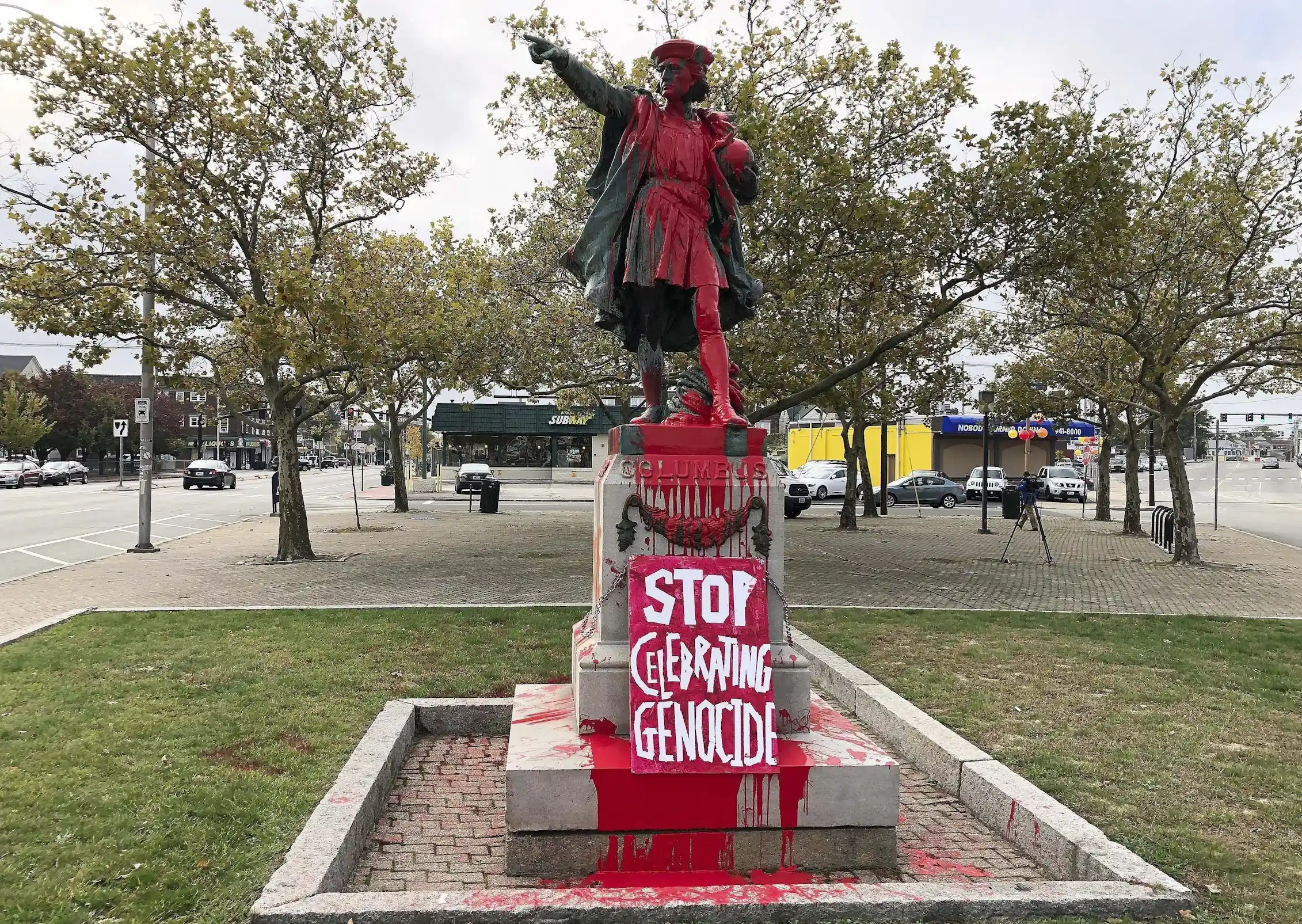
Columbus' reputation has been contested by protests against his role in Indigenous enslavement and environmental destruction.
“As one scholar put it in 1992, amid commemorations of the 500th anniversary of his first journey, the explorer was "mugged on the way to his own party."”
Religious and conquest link
Columbus' writings show how religious conversion and territorial conquest were intertwined from the start.
“In this book, which was not published in his lifetime, Columbus recast the renaming and charting of Caribbean islands as a religious pursuit.”
At a glance
Columbus' writings show the immediate link between spreading Christianity and European colonization in the Americas.





