From The Conversation · Edward D. Melillo · · 2m
Criminal conspiracy to steal used cooking oil
Thieves siphon restaurant oil for biodiesel, revealing waste's hidden value.
In brief
Thieves siphon restaurant oil for biodiesel, revealing waste's hidden value. A criminal network stole used cooking oil across 10 states to sell as biodiesel, showing how waste can become valuable but also create new risks. Originally reported by The Conversation.
Criminal enterprise
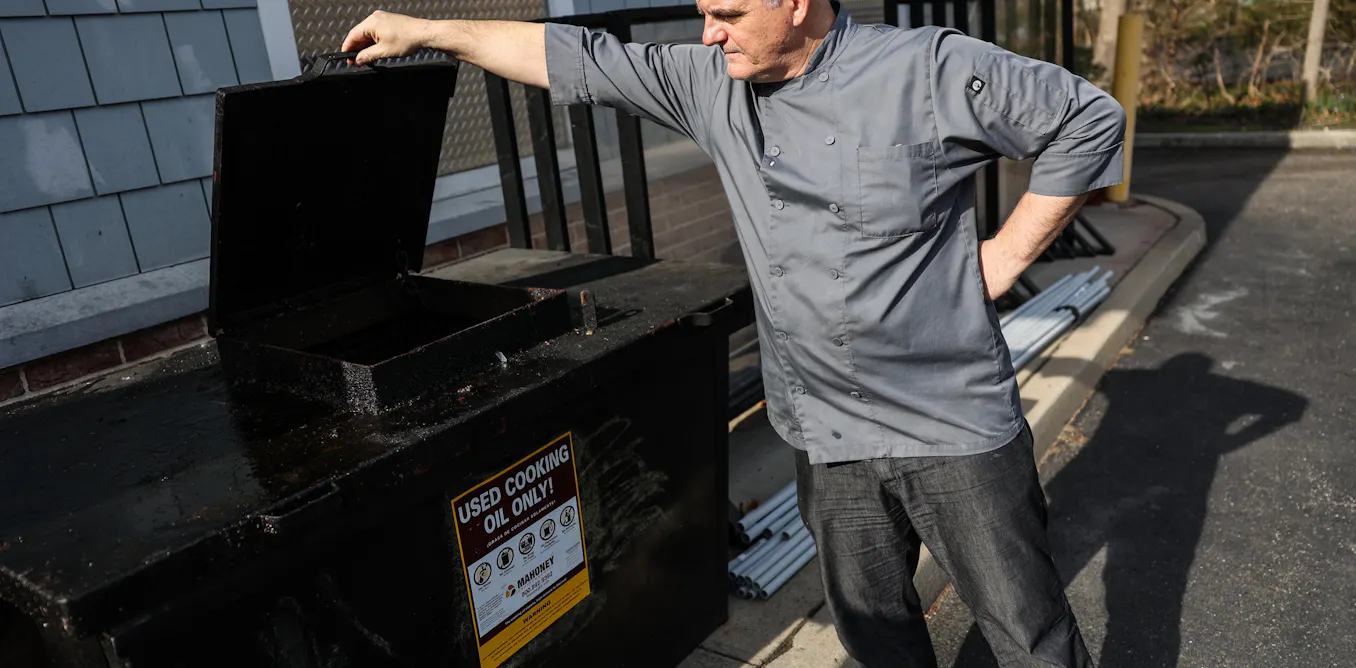
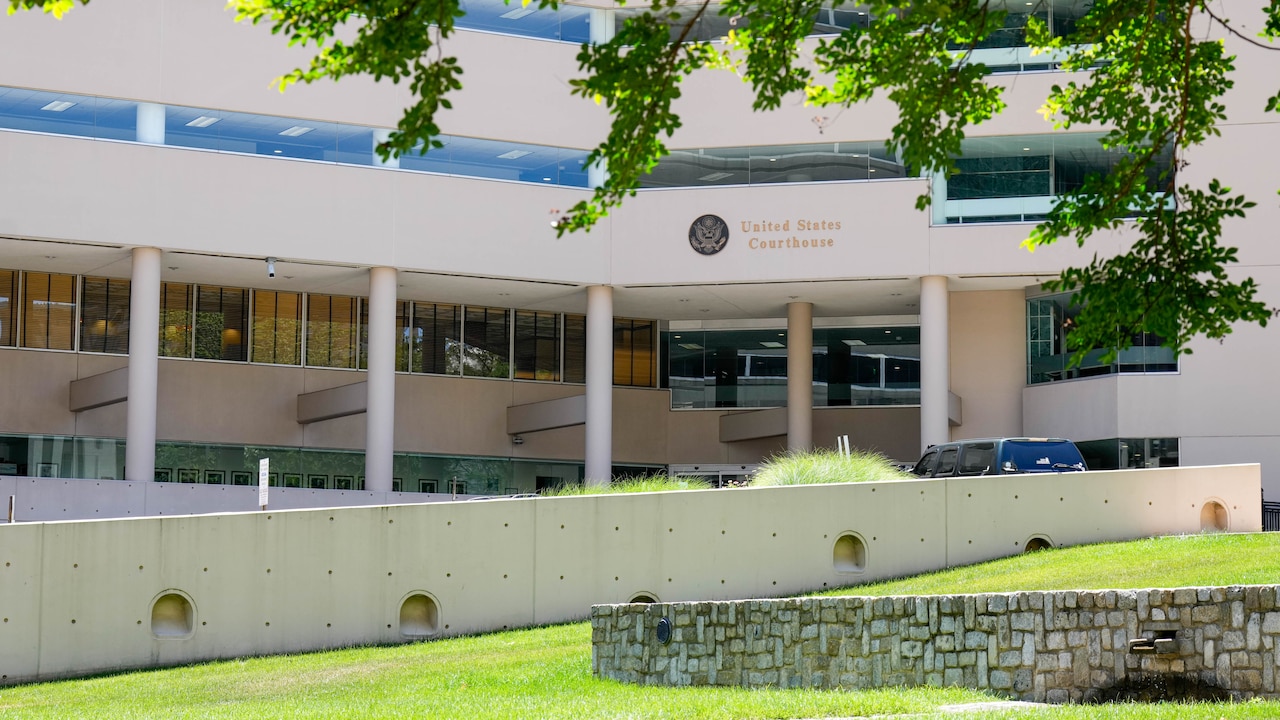
Federal prosecutors described an interstate criminal enterprise with clandestine warehouses, money laundering and stolen goods transported across state lines.
Stolen cooking oil
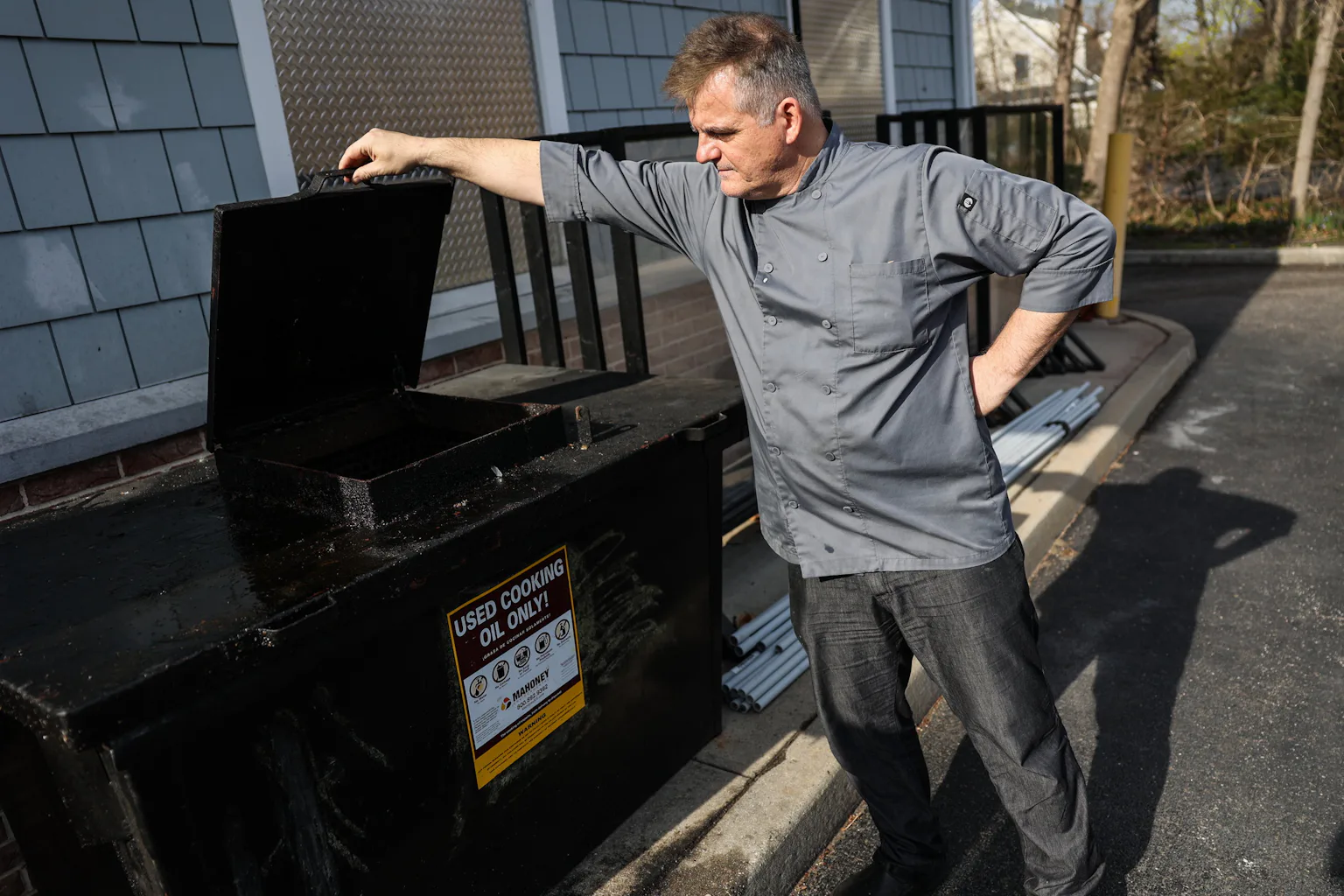
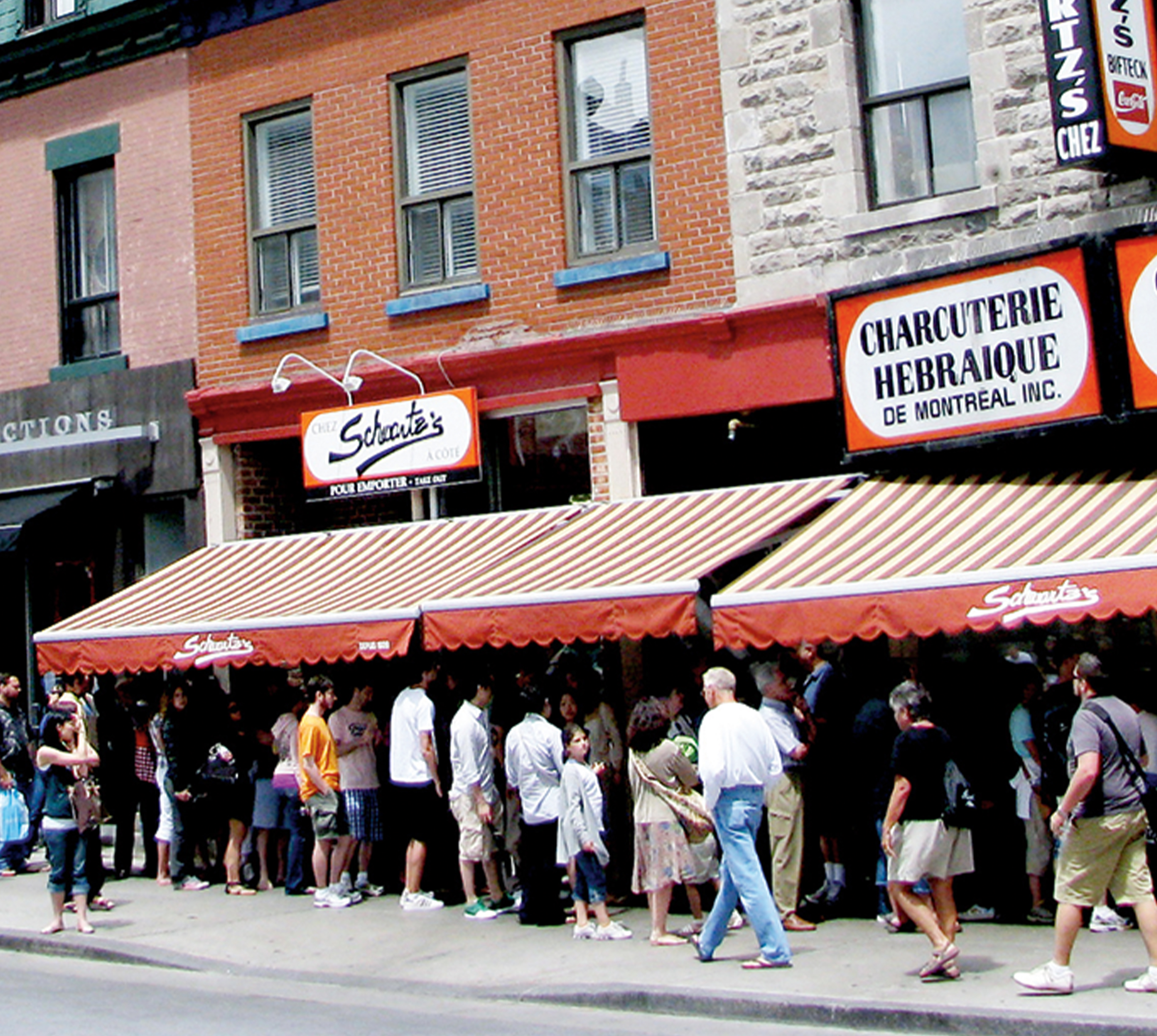
The stolen material was not drugs, guns or jewels but leftover cooking oil from restaurants in 10 states.
Criminal motive
Members drove trucks to restaurants in 10 states, siphoned used cooking oil from collection tanks and transported it to depots for resale.
Biodiesel value
Used cooking oil has value as it can be refined into biodiesel, making it economically valuable for large-scale criminal operations.
Waste definition
Historians, anthropologists and geographers increasingly recognize that 'waste' is a category defined by humans, not by physical properties.
Waste regimes
Scholars in 'discard studies' examine how human decisions determine what is classified as waste and what is kept.
Nature's cycle

In ecosystems, one organism’s leftovers routinely provide for another’s needs, with no material ever wasted.
Human waste
Human societies frequently remove unwanted materials from circulation, creating waste that requires decisions about disposal.
Whey example
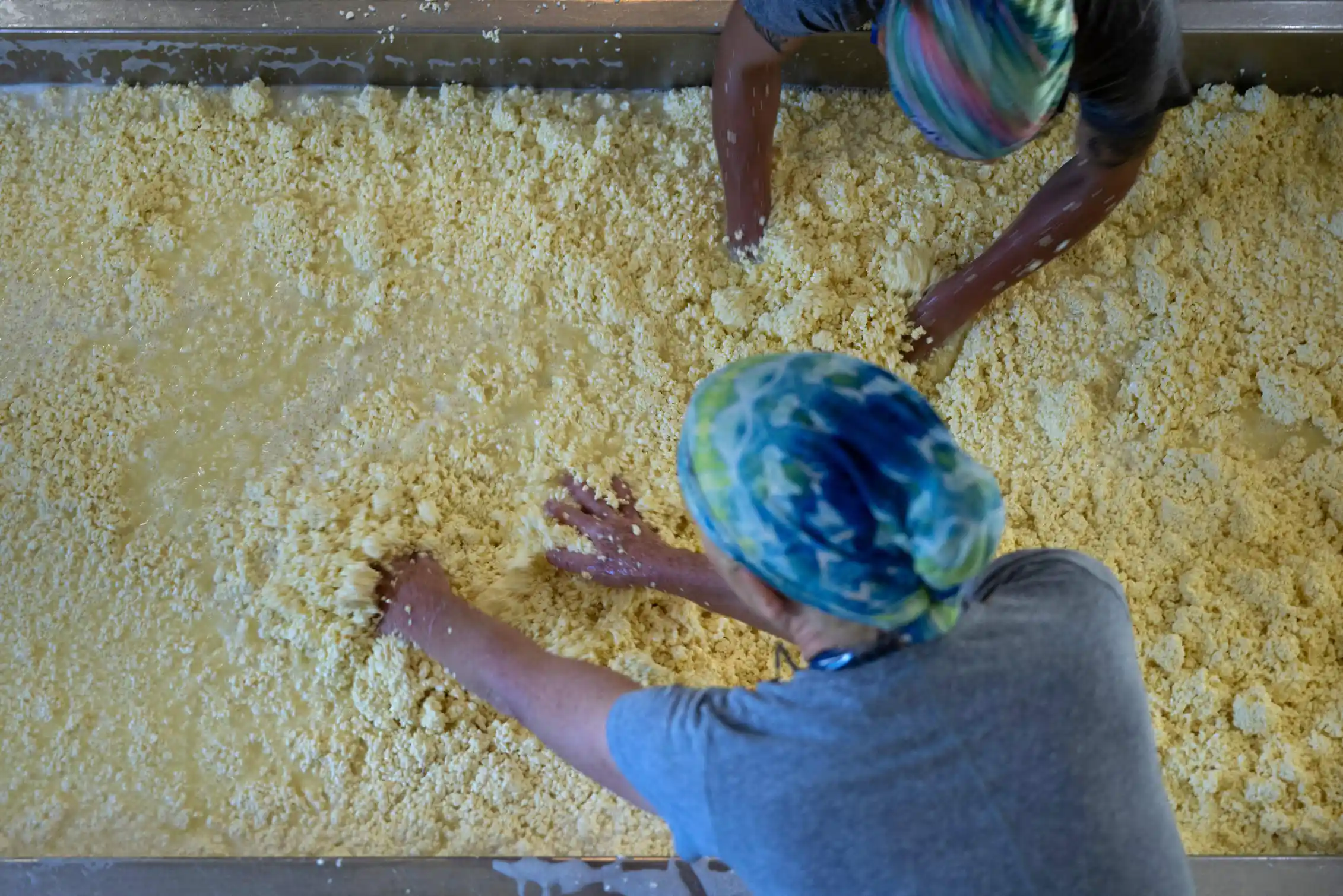
Cheesemaking produces whey, which was dumped into waterways until ultrafiltration allowed it to be concentrated into protein supplements.
Fly ash example
Coal-fired power plants produce fly ash, which was dumped in landfills until it was used in concrete to reduce cement demand.
Cottonseed oil
Cottonseed oil was once seen as waste but became valuable for soap, cooking and animal feed after manufacturers learned to crush seeds for oil.
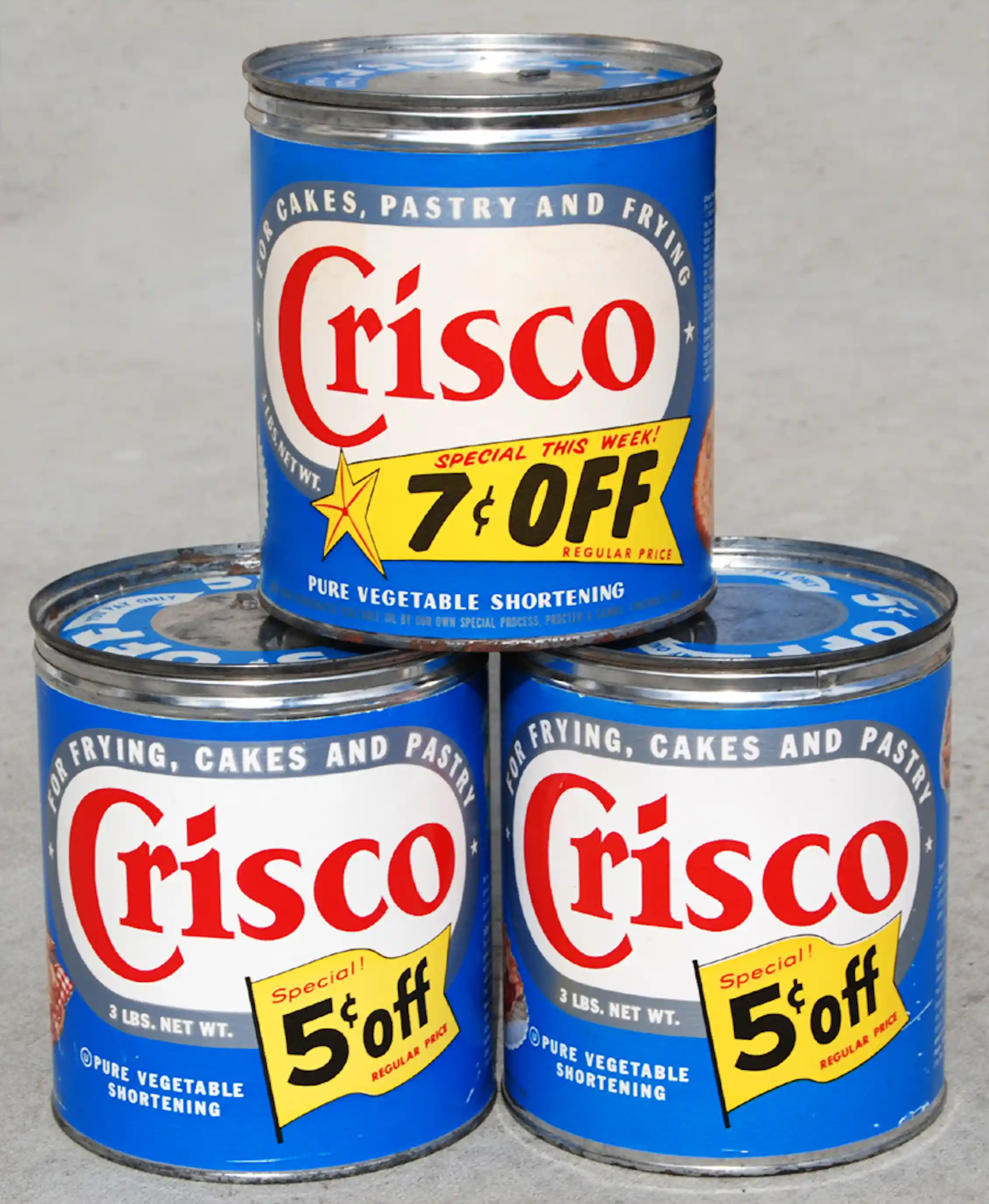
Crisco controversy
Crisco, made from hydrogenated cottonseed oil, was marketed as pure but later linked to heart disease risks from artificial trans fats.
Sewage sludge
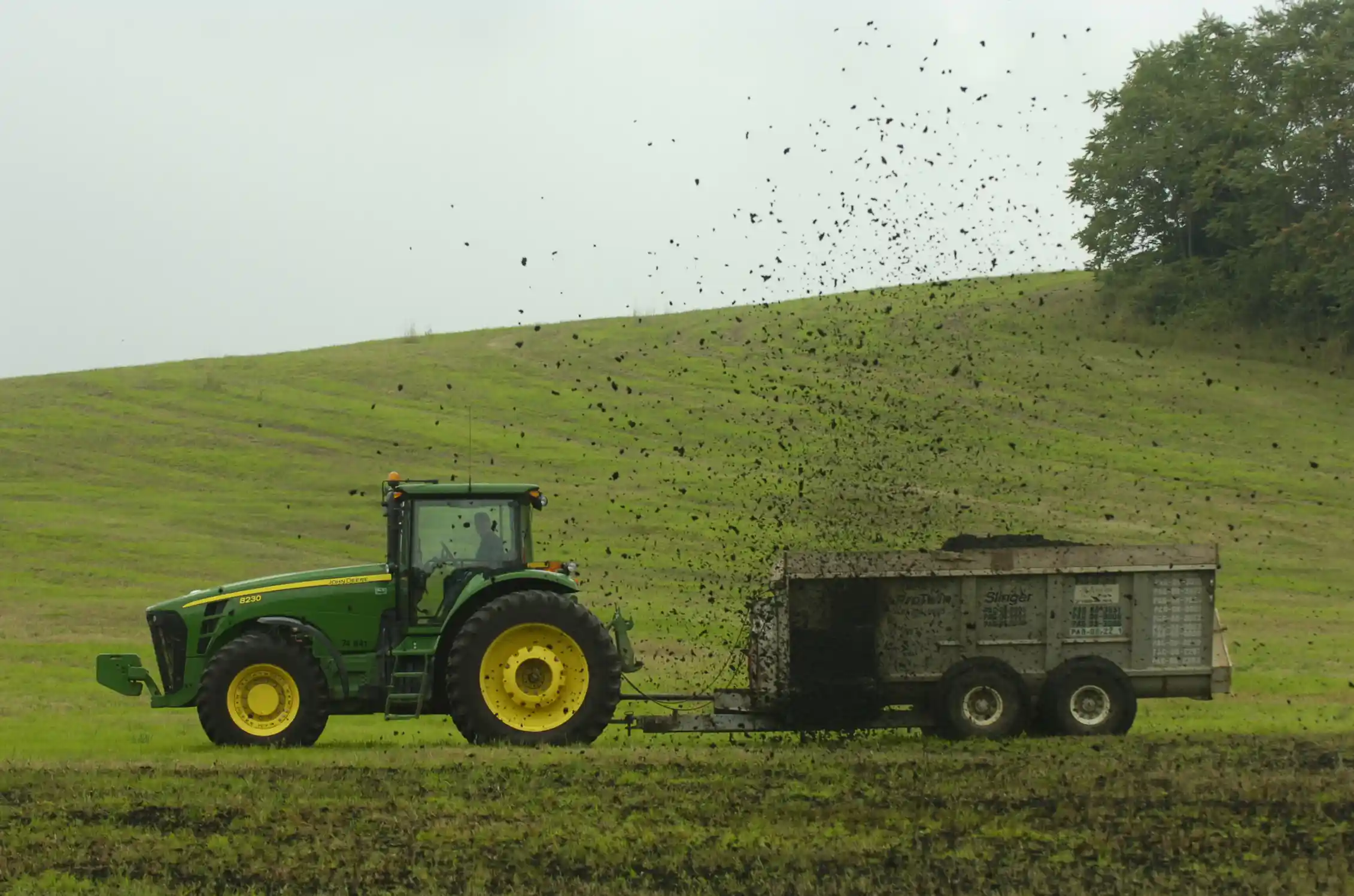
Sewage sludge contains nutrients but also PFAS chemicals, creating a dilemma for recycling waste.
Waste paradox
The stolen oil shows how waste can become valuable but also create new risks, highlighting the politics of waste valuation.
The key point
A criminal network stole used cooking oil across 10 states to sell as biodiesel, showing how waste can become valuable but also create new risks.