From The Conversation · John C. Ejiogu · · 1m 30s
El Niño health risks demand early warnings
Early El Niño warnings can prevent health crises by targeting vulnerable populations.
In brief
Early El Niño warnings can prevent health crises by targeting vulnerable populations. El Niño weather patterns increase health risks like floods and droughts, but early warnings with specific actions can save lives. Originally reported by The Conversation.
El Niño health risks
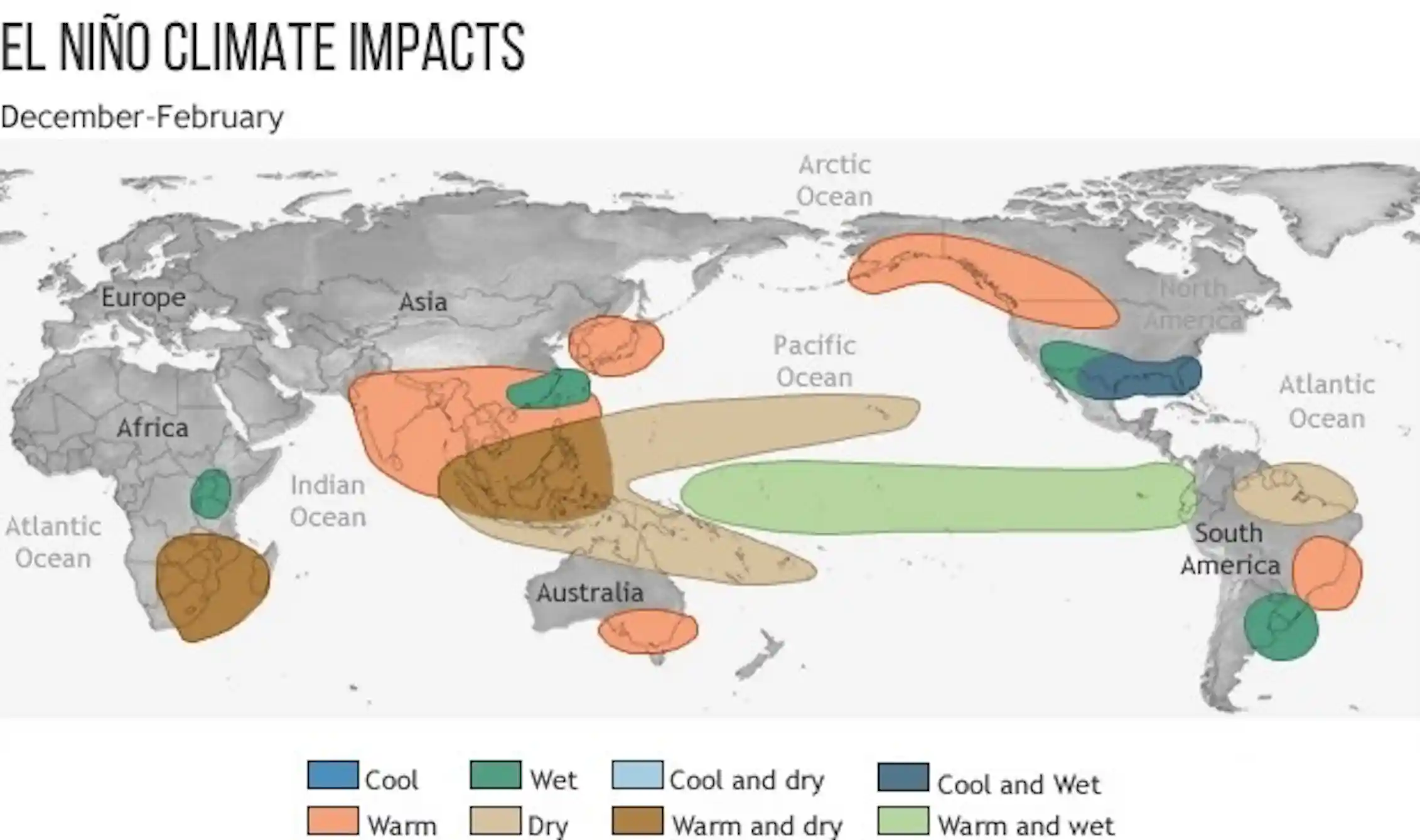
El Niño shifts global weather patterns, causing heat waves, floods and droughts that threaten health.
Southern Africa drought risks
Southern Africa faces rising drought risks that could affect the 2026-27 growing season in key farming regions.
Horn of Africa flooding risks
Wetter-than-normal conditions in the Horn of Africa raise risks of flooding and mosquito-borne disease outbreaks.
Southeast Asia wildfires
Dry conditions in Southeast Asia fuel wildfires and reduce water supplies.
Chilean floods
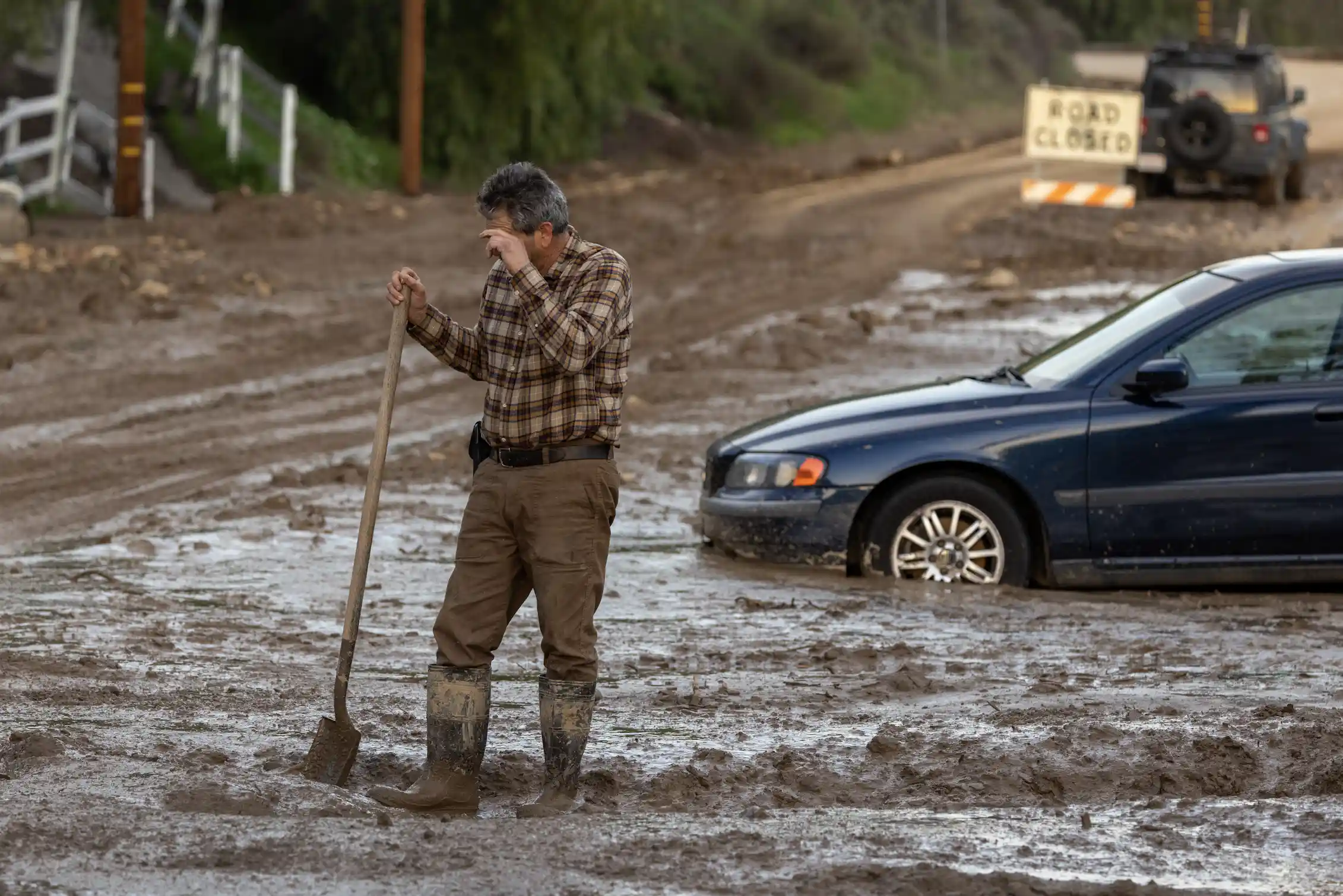
October 2026 storms in Chile triggered mudslides that left homes and yards difficult to clean.
US weather patterns
The US South gets wetter during El Niño, while the Northern Plains face higher drought risks.
Health impacts of floods
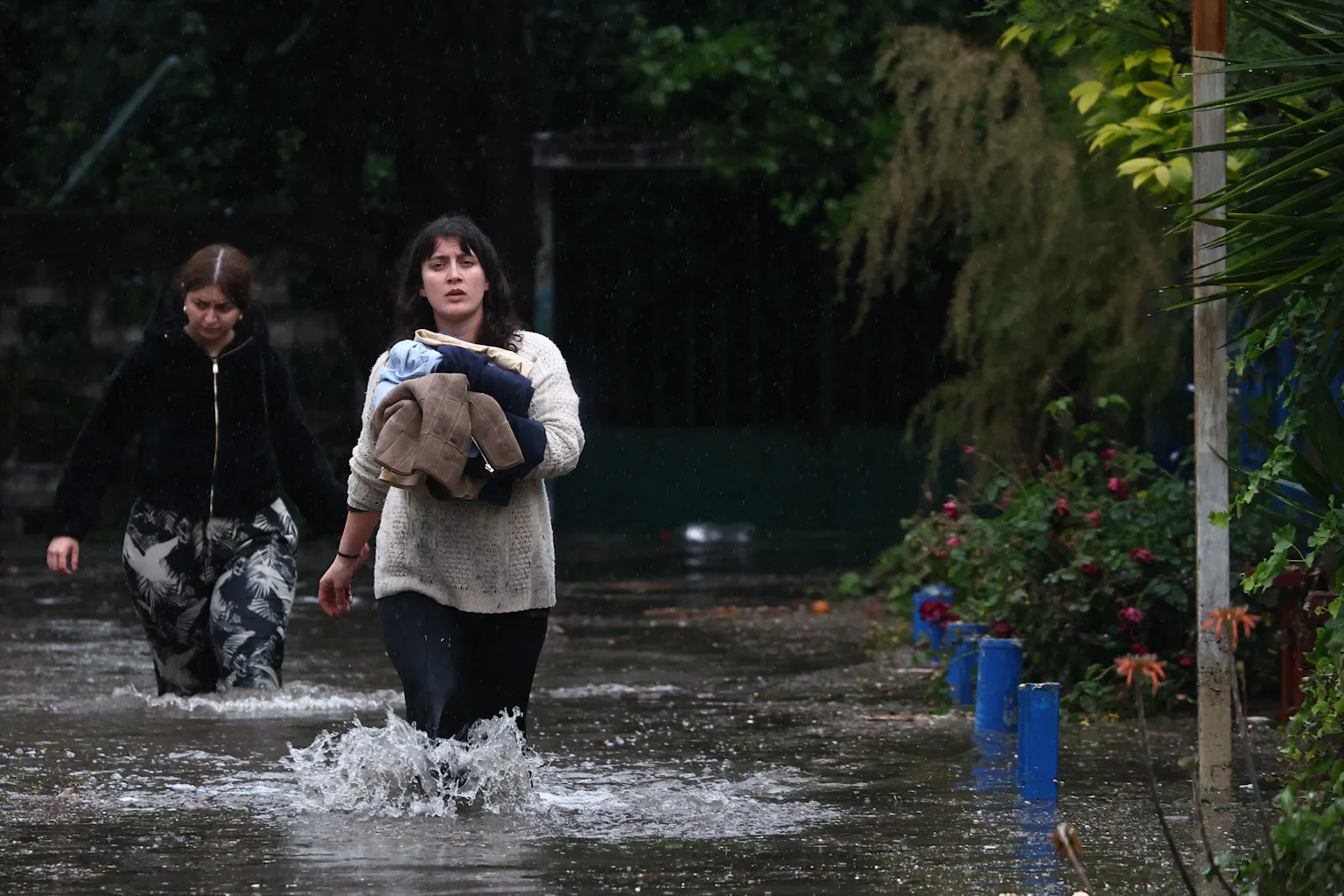
Floodwater carries infections like hepatitis, cryptosporidium and fungal diseases.
Drought health effects
Drought causes poor air quality and malnutrition in some areas.
Vulnerable populations
At least 2.5 million Americans rely on home medical equipment that could fail during power outages.
Rural access challenges
Rural Americans live 10.5 miles from hospitals, with many taking over 30 minutes to reach care.
Early warnings save lives
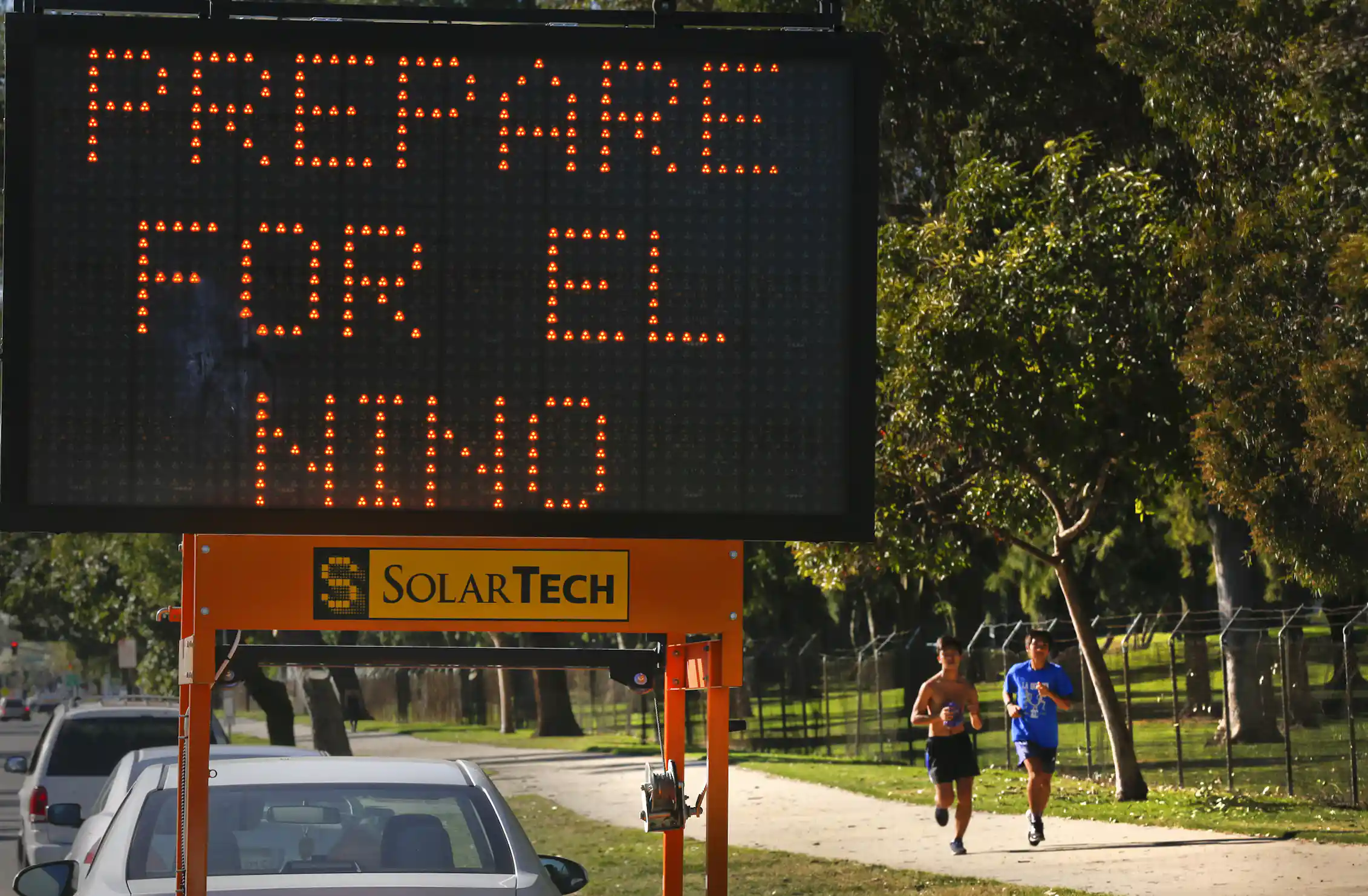
Communities with early warnings can prepare medical equipment and help vulnerable people during disasters.
The bottom line
El Niño weather patterns increase health risks like floods and droughts, but early warnings with specific actions can save lives.