From The Conversation · Eric Michel · · 1m 40s
Flesh-eating screwworm threatens US wildlife
Hunters can spot New World screwworm before it spreads to livestock.
In brief
Hunters can spot New World screwworm before it spreads to livestock. US hunters help detect New World screwworm infestations in wildlife to prevent livestock and wildlife deaths. Originally reported by The Conversation.
New World screwworm spreading
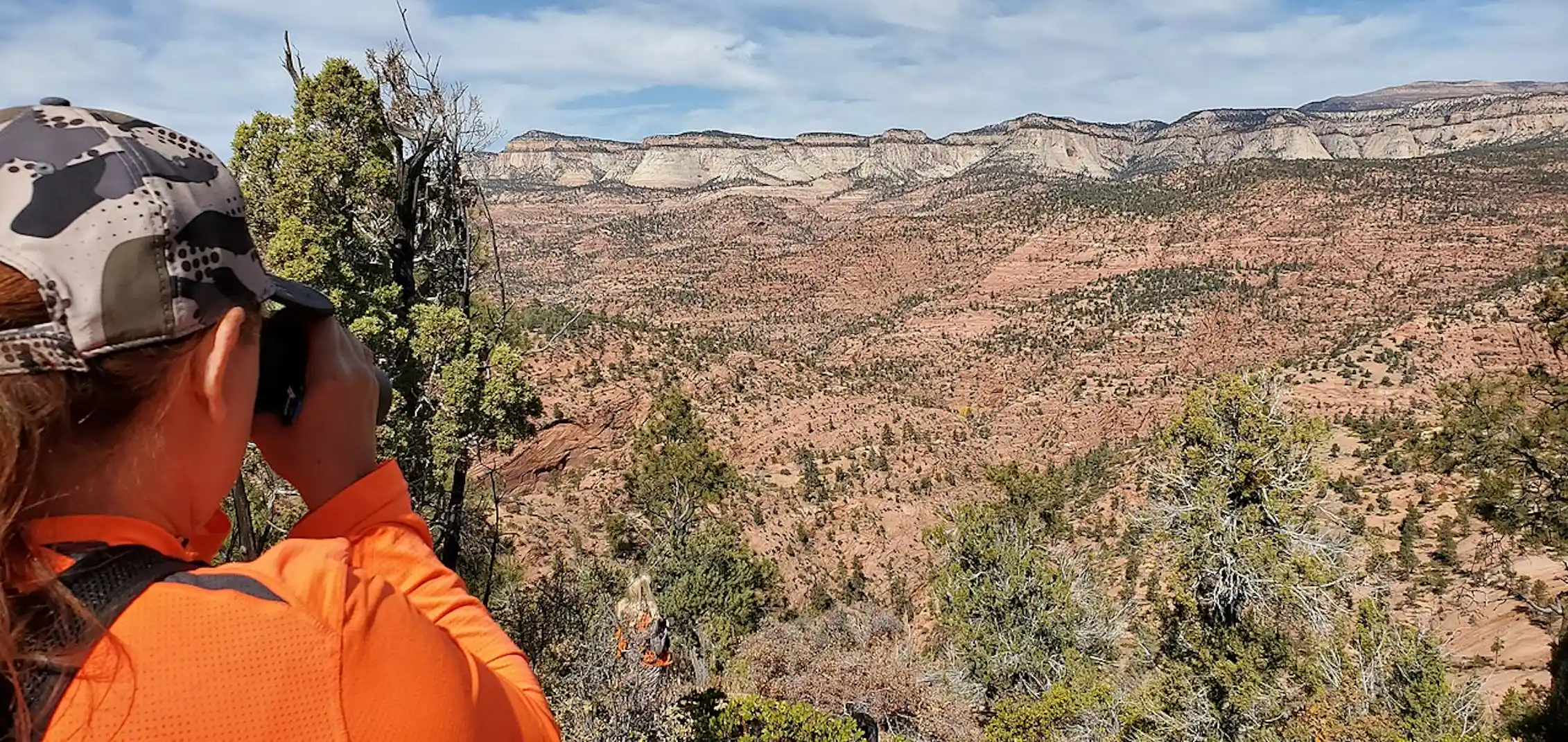
Millions of hunters will be in fields and wooded areas where they can help spot and report signs of screwworm.
First US infestation in 50 years
For the first time in over 50 years, New World screwworm is spreading on U.S. mainland, threatening livestock and wildlife.
All warm-blooded animals at risk
New World screwworm attacks all warm-blooded animals including deer, elk, small game and waterfowl.
Hunters as early warning system
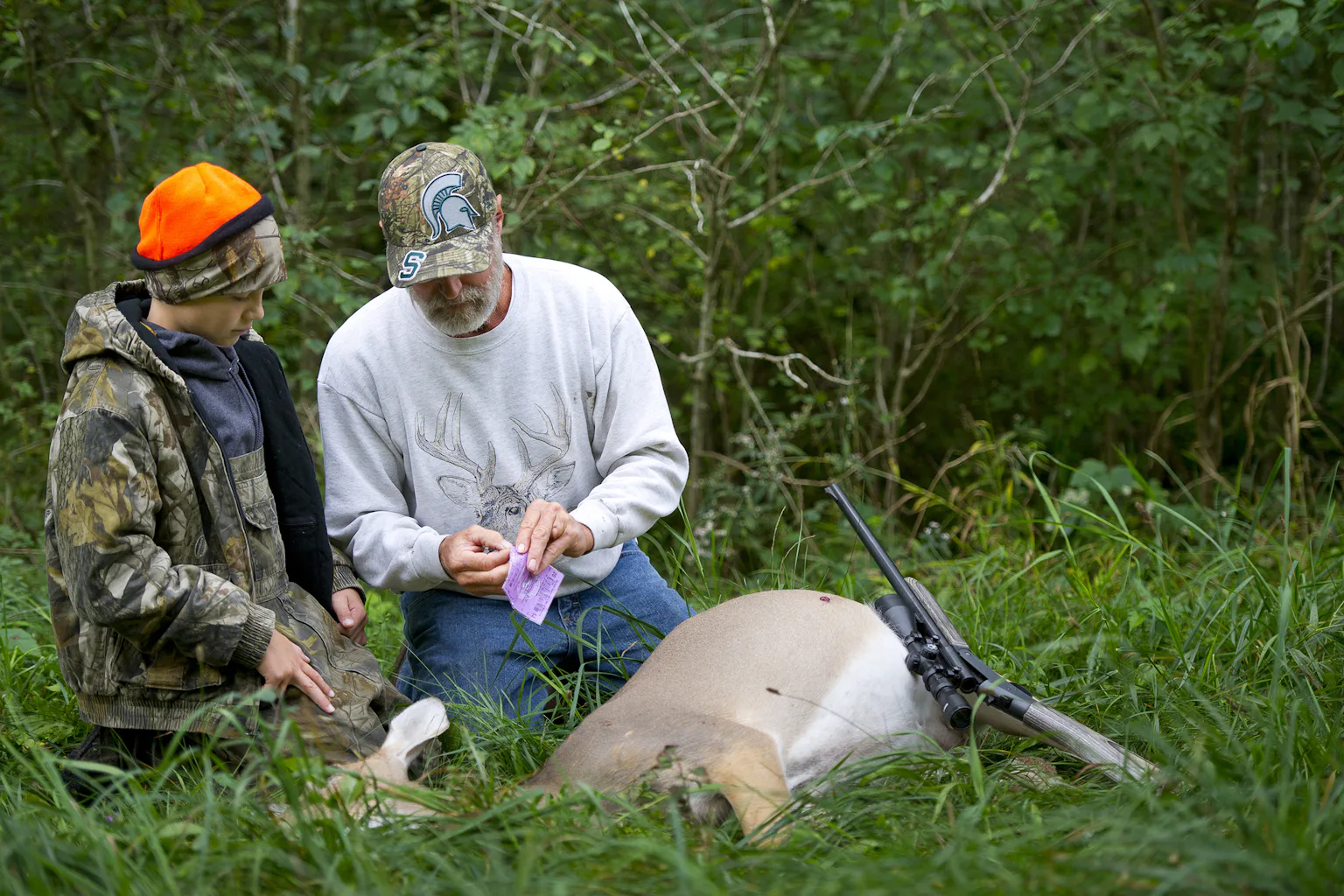
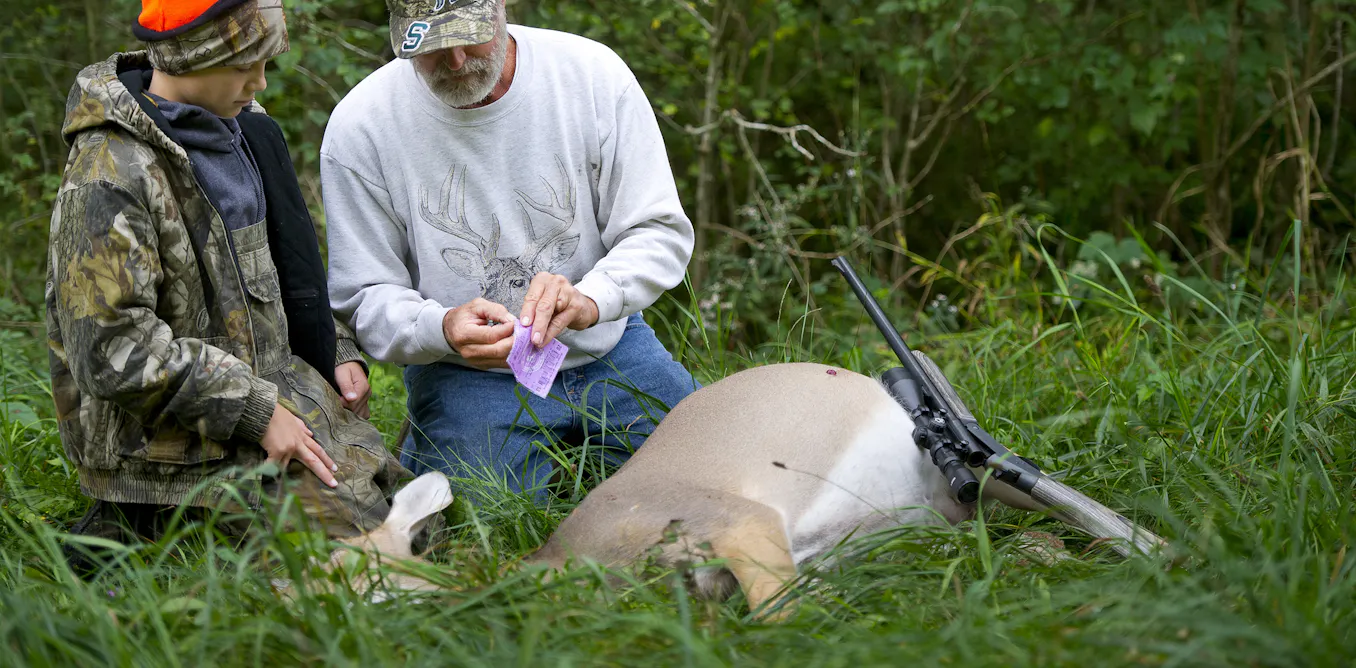
Hunters can be the first line of defense by spotting and reporting screwworm infestations in wildlife.
Screwworm lifecycle
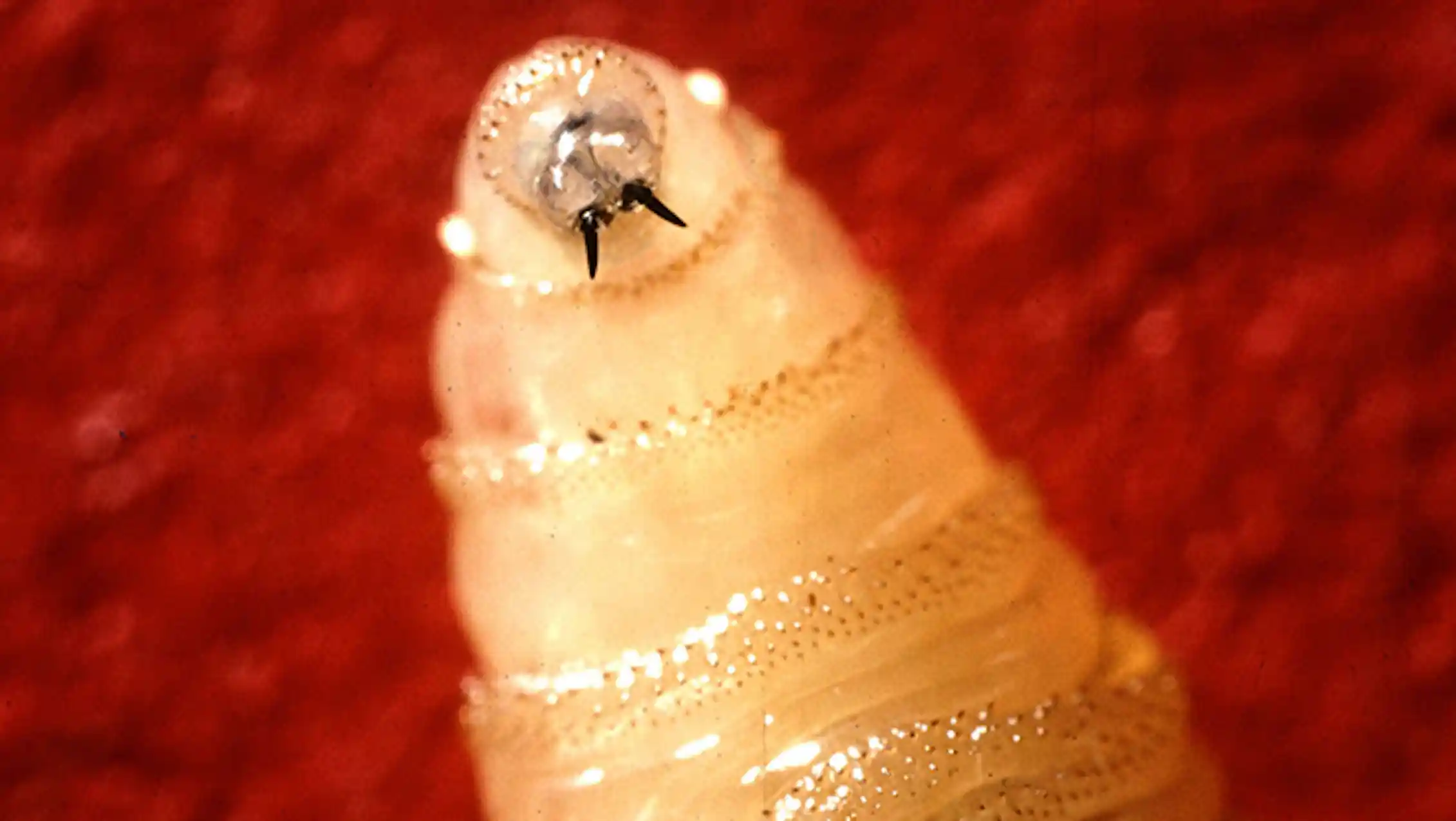
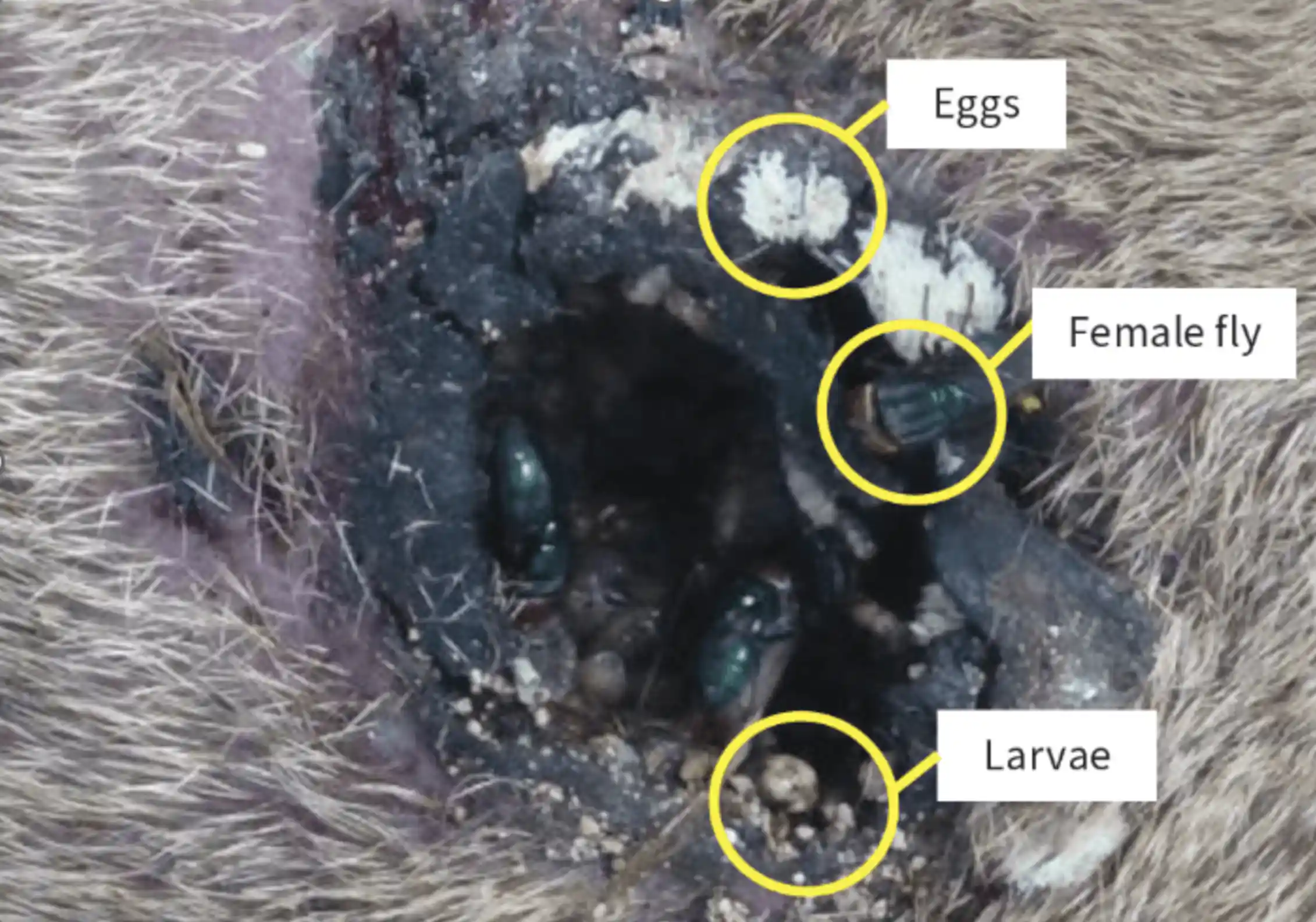
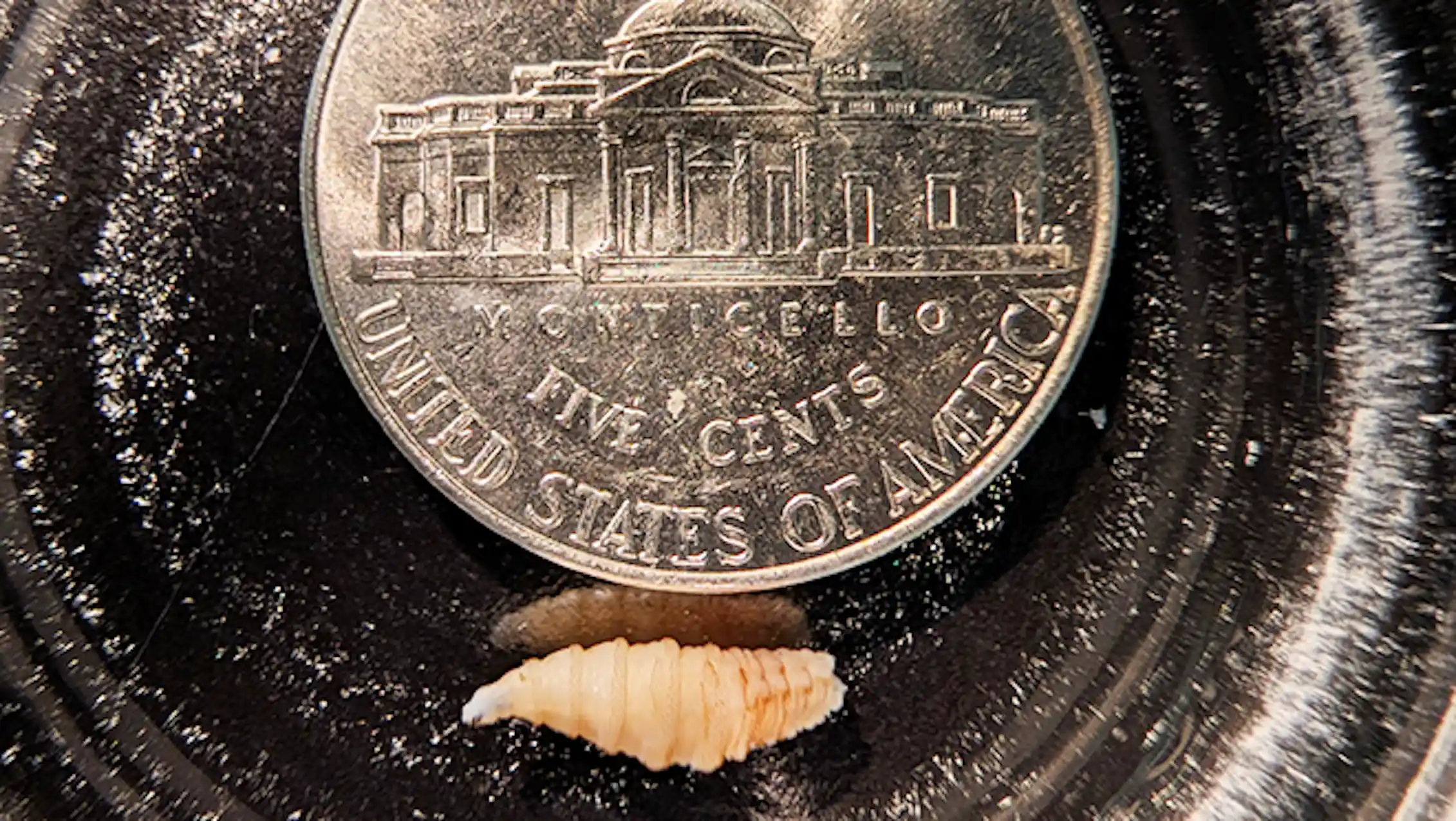
Screwworm larvae feed on living tissue, lay eggs in wounds, and become flies within 21 days.
Historical economic impact
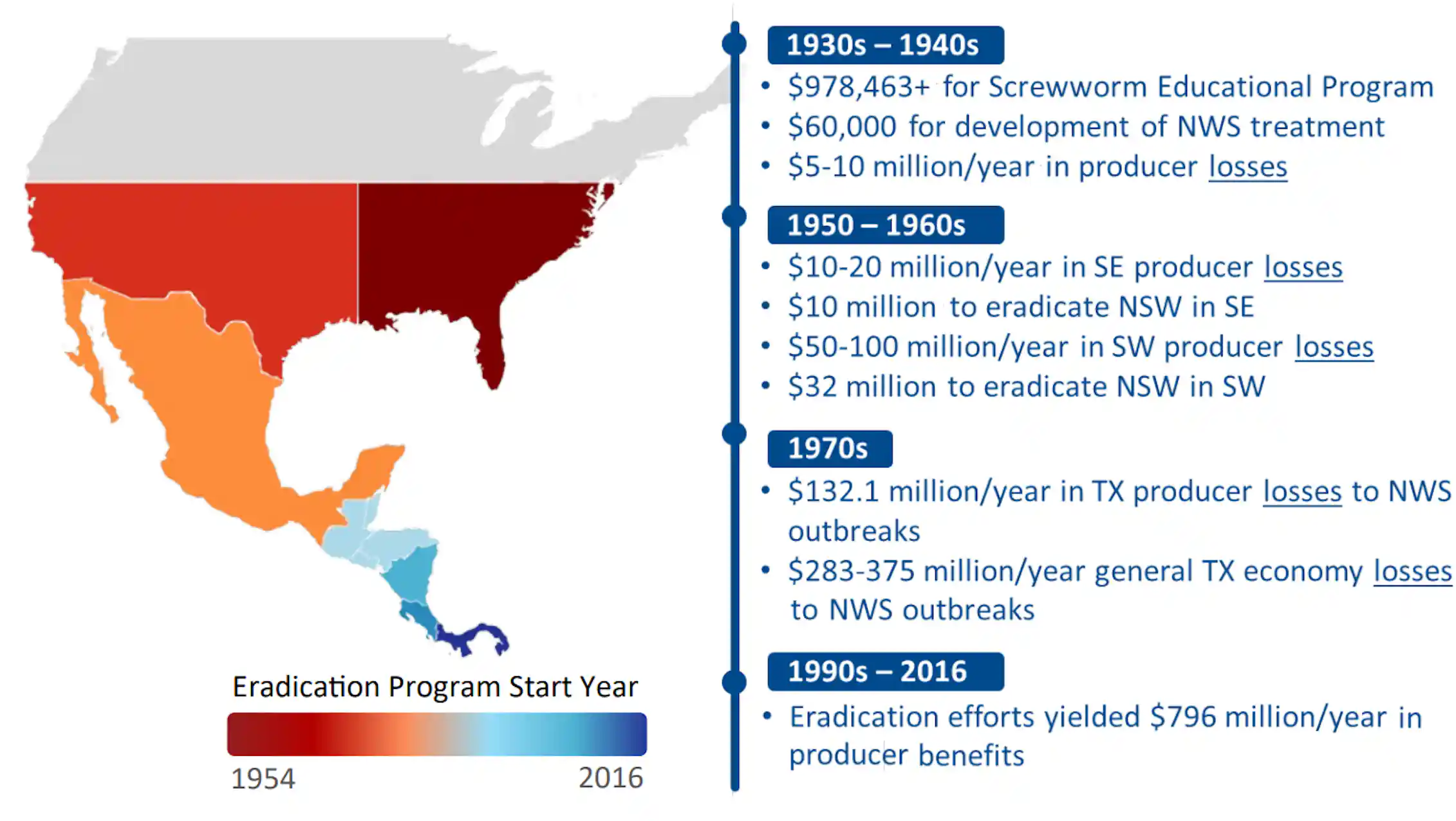
In the 1950s, U.S. livestock producers lost up to US$100 million annually to screwworm, equivalent to over $1 billion today.
US eradication in 1966
The U.S. eradicated New World screwworm from mainland by 1966 using sterile male flies and treating infected animals.
Florida Key deer infestation
In July 2016, Florida Key deer population of 800-1,000 was infected with New World screwworm.
Screwworm back in US
In June 2026, New World screwworm was detected in Texas and New Mexico with 116 cases by Nov. 5, 2026.
Hunters as surveillance
11.5 million hunters track wildlife and harvest 6 million deer during 2026-27 season.
What to watch for
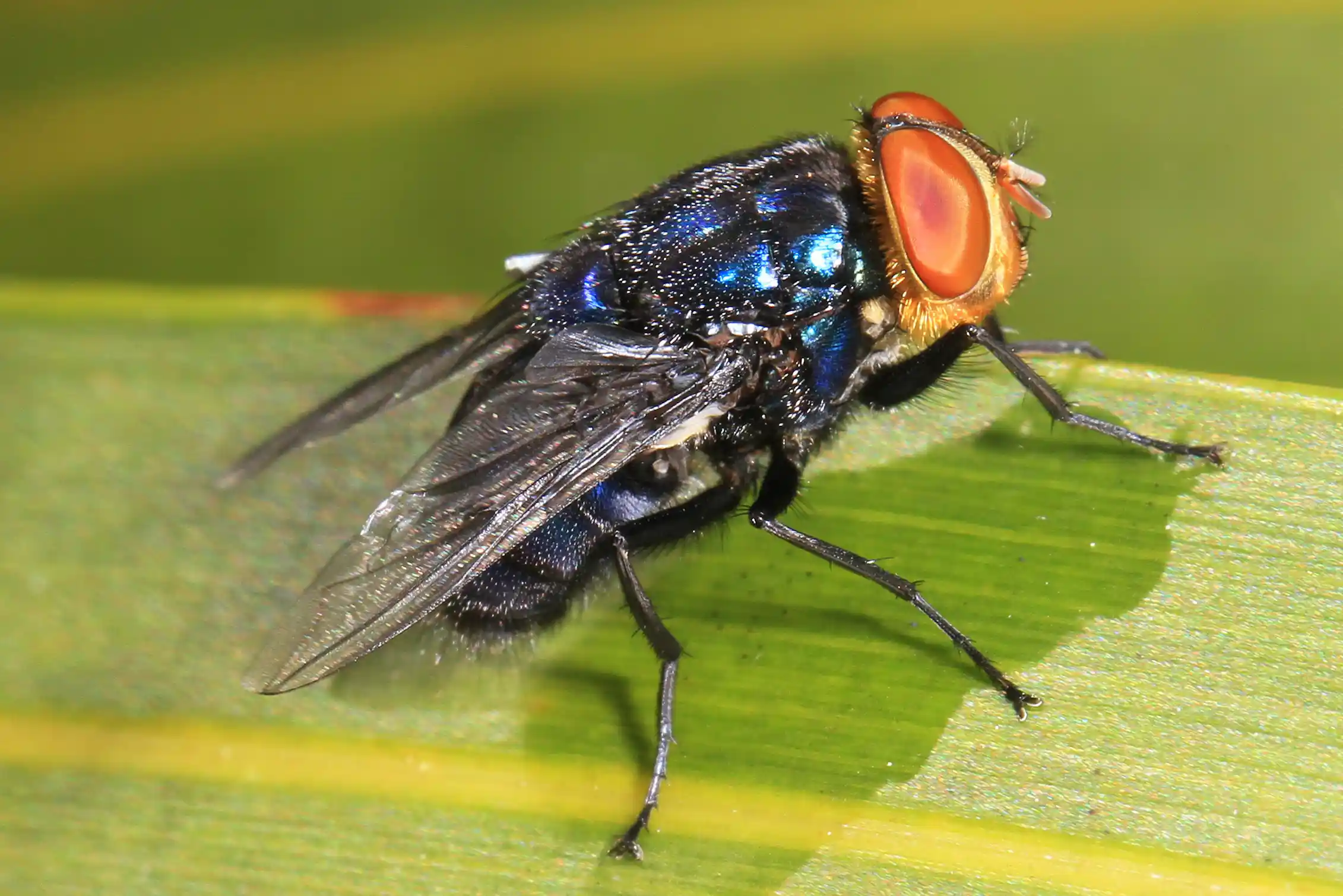
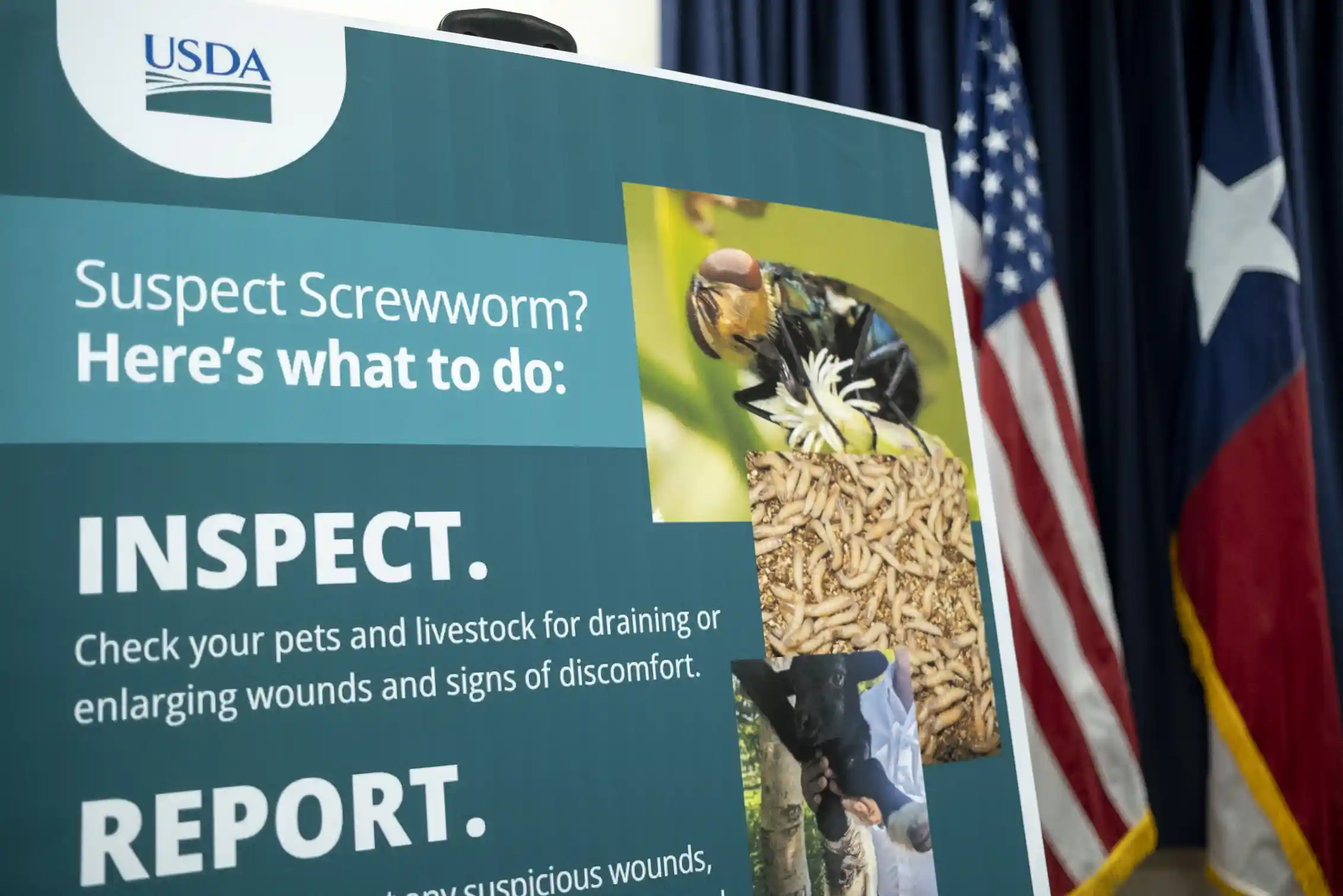
Hunters should check for wounded animals with maggots and unusual behaviors like restlessness.
The headline
US hunters help detect New World screwworm infestations in wildlife to prevent livestock and wildlife deaths.