From The Conversation · Jeff LeBlanc · · 2m
Gen Z speaks a different workplace language
Generational gaps in communication aren't about better or worse, just different environments where workers learned their skills.
In brief
Generational gaps in communication aren't about better or worse, just different environments where workers learned their skills. Managers should explicitly state expectations rather than assume younger workers understand unwritten workplace norms, since Gen Z learned communication in a fundamentally different context…
A text versus a call

A Gen Z café worker texted her Gen X boss she'd be late, thinking she was respecting his time. He wanted a phone call to show she understood the seriousness. Both thought they were being respectful.
“He's super busy, so I felt a call was going to take up too much time. So I texted. I thought it was more considerate.”
The meaning behind the medium
For older workers, a phone call itself carries meaning and signals seriousness. For Gen Z, texting shows consideration for someone's time. Managers need to spell out which communication method they expect.
When honesty feels like oversharing

A Gen Z worker told his baby boomer manager about his severe anxiety. The manager was sympathetic but uncomfortable, unsure how much personal information belonged at work.
“I didn't want to downplay his anxiety, but I'm not sure I needed to know.”
Different boundaries around disclosure
Older workers learned professionalism means keeping personal and work life separate. Gen Z came of age when mental health conversations are public. What feels honest to one feels like oversharing to the other.
The room disappeared in 2020
Gen Z was 18 or 19 when the pandemic hit, exactly when they'd normally learn to read facial expressions and pick up unwritten workplace signals. Classes went online, internships went remote, and masks covered faces.
Unwritten signals need to be written
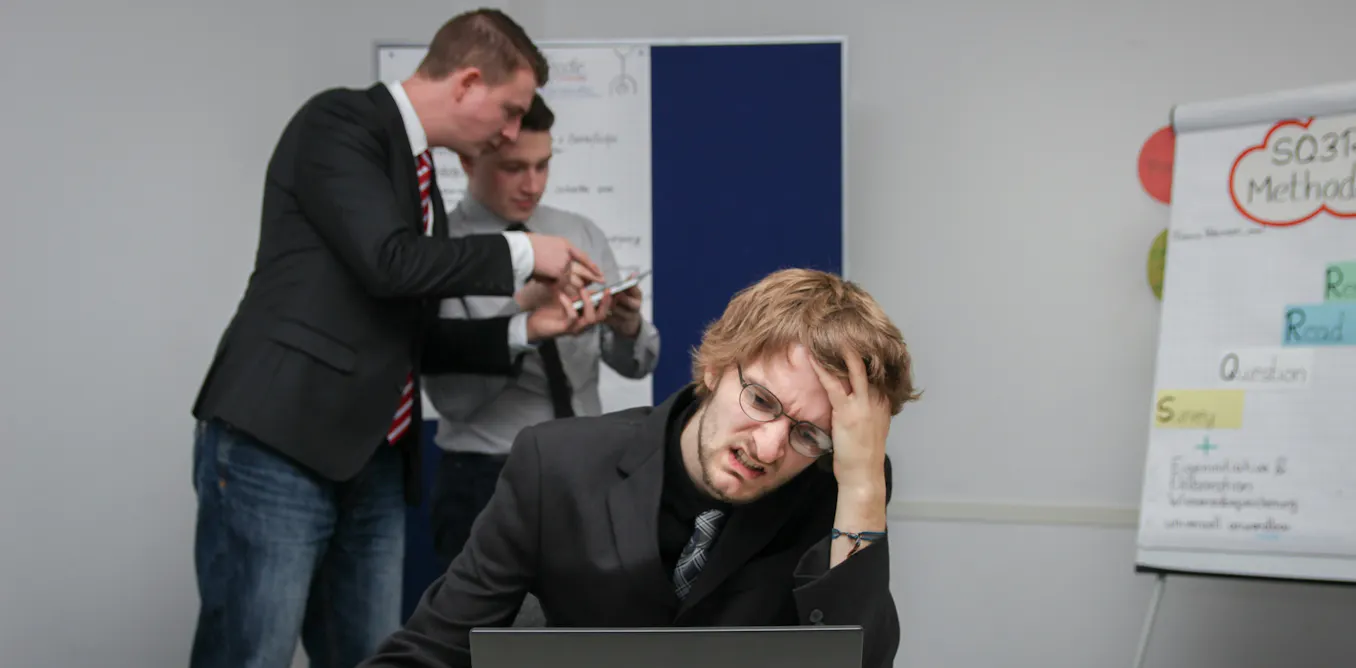
A manager's disappointed expression on a Zoom call is a poor substitute for actual feedback. If something matters, managers should say it explicitly rather than rely on tone or facial cues.
Friday means different things
A manager says "I need this by Friday." The employee delivers it at four thirty p.m. Friday. The manager wanted it Friday morning to review and pass along. Neither understood the other's expectation.
Clarity isn't hand-holding
A survey of 250 Gen Z professionals showed they want clear structural expectations and fairness. Asking for specifics like "Friday by ten a.m. because I need three hours to review" isn't weakness, it's professionalism.
Norms aren't common sense
Workplace norms we learned feel like common sense, but they're actually taught by the technologies and historical moments when we started our careers. Gen Z learned theirs in a very different world.
What matters most
Managers should explicitly state expectations rather than assume younger workers understand unwritten workplace norms, since Gen Z learned communication in a fundamentally different context.