From The Conversation · Thomas Fauchez · · 2m
Gravity is the telescope that finds hidden planets
NASA's Roman telescope will spot worlds it can never see, by watching stars flare up when gravity bends light.
In brief
NASA's Roman telescope will spot worlds it can never see, by watching stars flare up when gravity bends light. Microlensing finds cold, far-out and star-free planets that every other method misses, which is how we finally get an honest census of what nature builds. Originally reported by The Conversation.
Roman is on its way
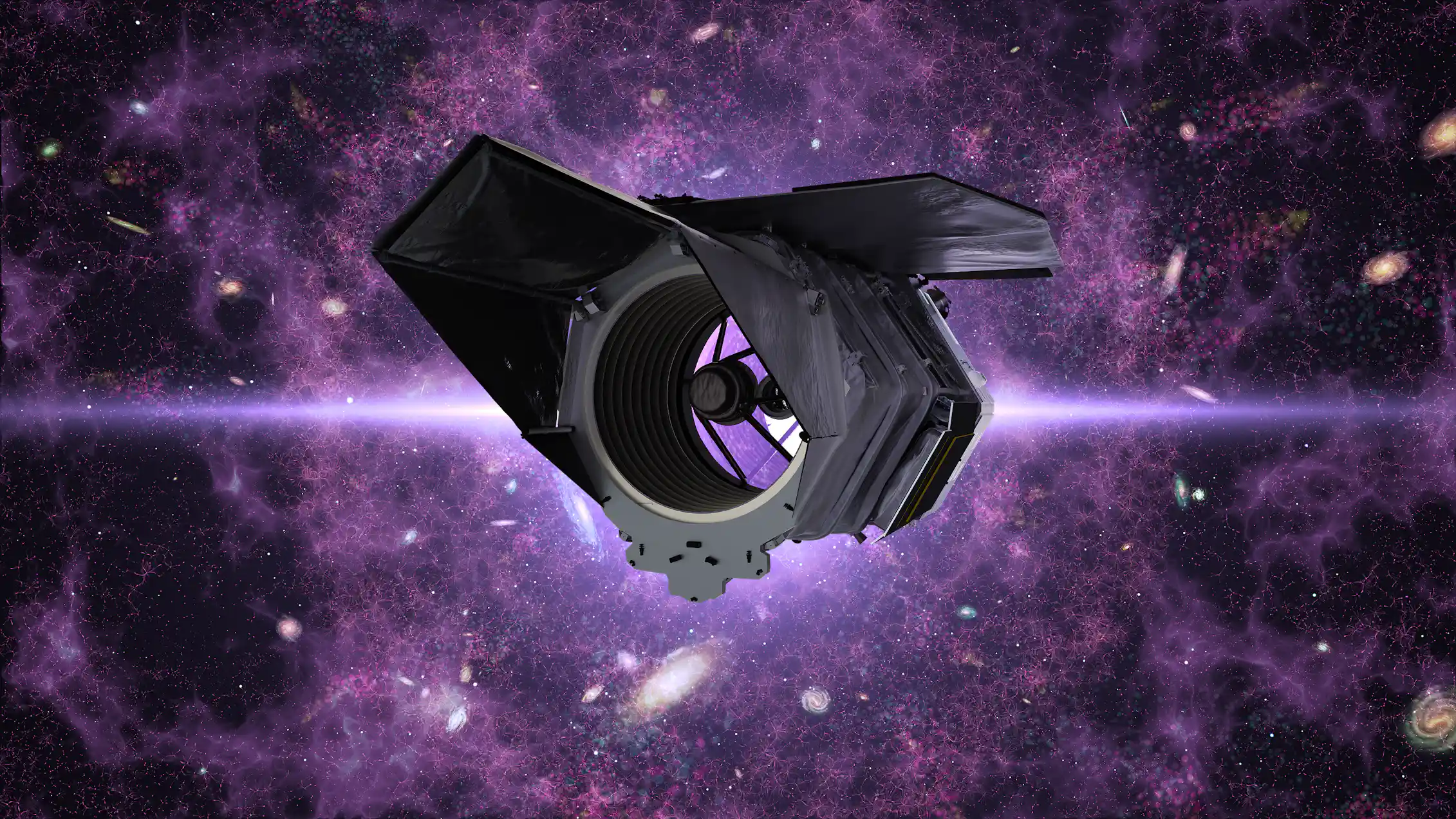
NASA's Nancy Grace Roman Space Telescope launched on Aug. 30, 2026, headed about a million miles from Earth to study dark energy, galaxy formation, and planets around other stars.
Finding planets without seeing them
Roman will discover worlds it never actually images. Instead of looking for the planet, it watches for distant stars that briefly get brighter.
“Roman will be able to find many of these exotic worlds without seeing the planets themselves.”
Gravity bends light
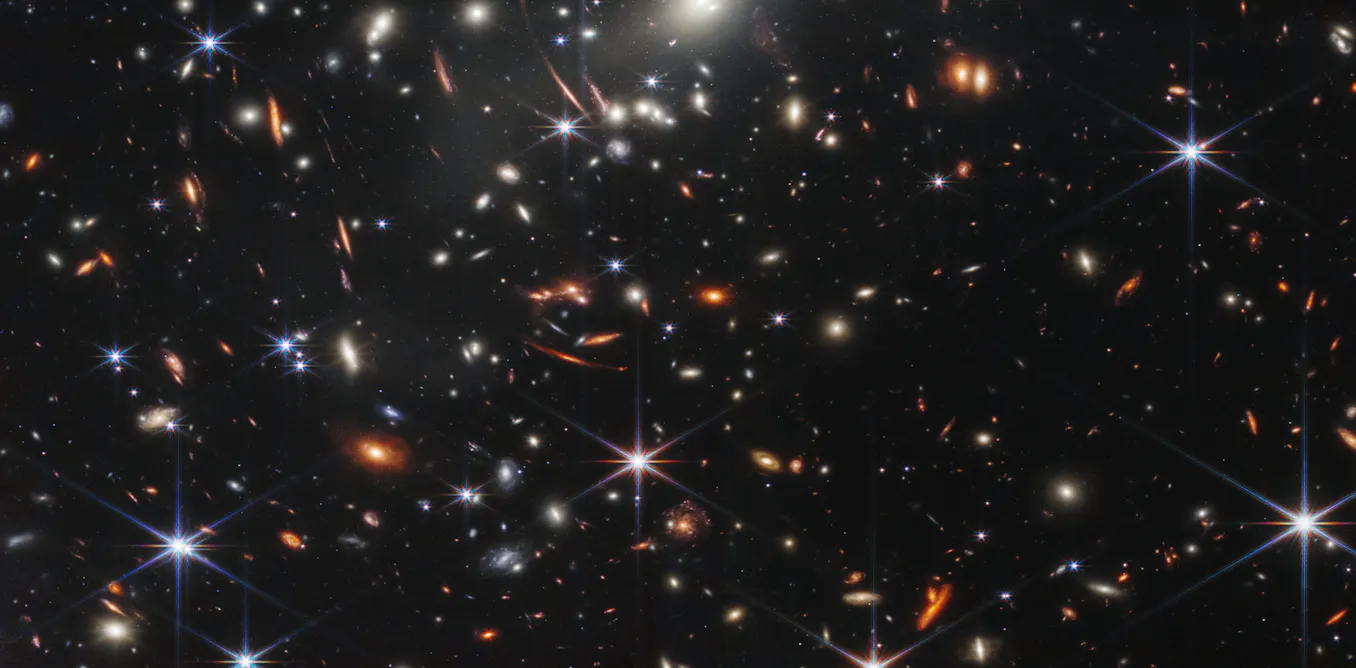
Einstein showed that mass curves space, and light traveling through curved space follows a curved path. A star, or even a planet, can act like a natural magnifying glass.
“It is like looking though a magnifying glass, except there is no glass. The lens is gravity itself.”
Two stars line up
When a foreground star drifts almost exactly across your view of a far more distant one, its gravity bends the background starlight toward you. The distant star looks brighter, not hidden.
The flare fades
Stars are always moving through the galaxy, so the alignment is temporary. The background star gradually brightens, peaks, then fades as the two drift apart.
Now add a planet
A planet orbiting the foreground star tugs on that light too, producing a short extra blip in the smooth brightening curve. That small deviation is the planet's signature.
“this technique can work even if the planet itself is far too faint and distant to see directly”
You cannot schedule luck
Alignments happen by chance and almost never repeat. The only way to catch them is to watch an enormous number of stars, over and over.
Hundreds of millions of stars
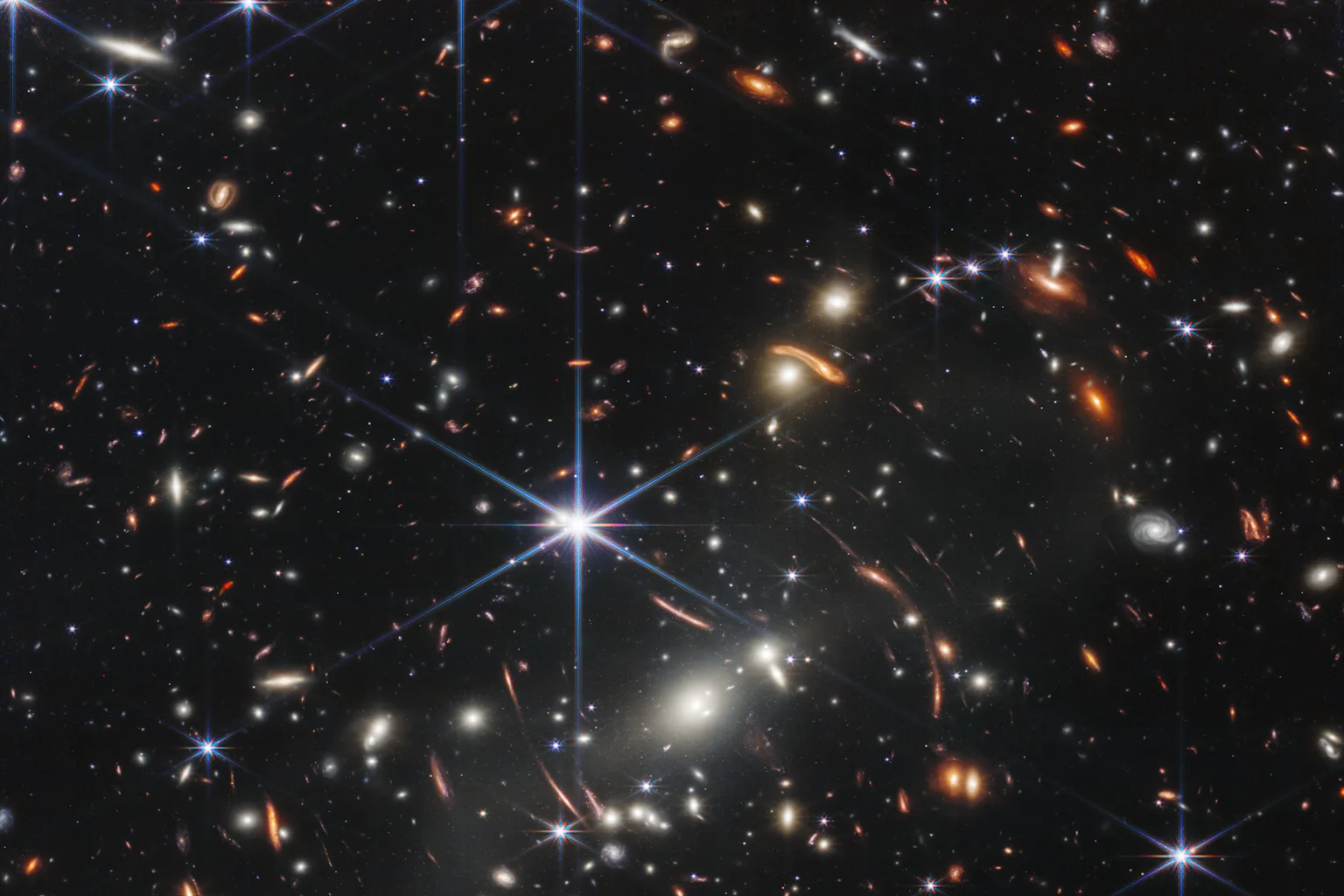
Roman's Galactic Bulge survey will revisit six crowded fields toward the Milky Way's center roughly every 12 minutes, across six intensive observing seasons.
Over 1,000 distant worlds
NASA expects more than 1,000 planets on wide orbits. Most known exoplanets hug their stars, so Roman probes the cold outer regions we have barely explored.
Same images, opposite trick
Those repeat exposures also catch about 100,000 transits, where a planet dims its star. A star that brightens means a lens, a star that dims means a transit.
Planets with no sun
Microlensing can even reveal rogue planets, ejected from their systems and wandering alone. Gravity gives them away when no light ever could.
“Roman will do that using one of nature's own telescopes: gravity itself.”
What matters most
Microlensing finds cold, far-out and star-free planets that every other method misses, which is how we finally get an honest census of what nature builds.